Counting the waves…
Counting the waves…

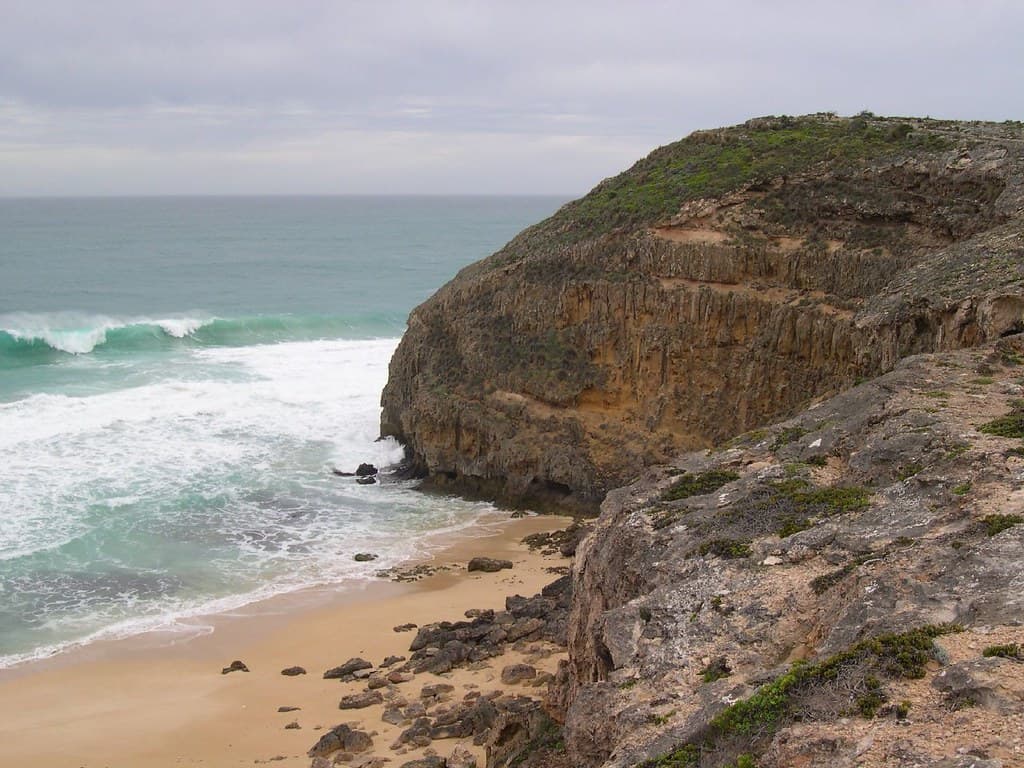
You park alongside a handful of weathered fishing shacks in the tiny settlement of Price, population somewhere south of fifty, and walk barefoot down a gentle slope to a beach that refuses to perform. No surf schools, no umbrella rentals, no Instagram influencers angling for the perfect drone shot. Just a long crescent of sand bordered by low dunes, where the water laps rather than crashes and the only soundtrack is wind through coastal scrub and the occasional cry of a silver gull. The beach faces east across Gulf St Vincent, so mornings arrive with soft light that turns the water a dozen shifting shades of blue and green. You'll wade out fifty meters and still feel sand beneath your toes. Local fishermen cast lines from the old jetty remnants at the southern end, nodding as you pass. Bring a book, a cooler, and low expectations of amenities—there's a toilet block and not much else. This is Yorke Peninsula at its unvarnished best: agricultural hinterland meeting tidal flats, where the biggest decision you'll make is whether to swim now or after lunch. The beach empties entirely on weekdays outside school holidays. On summer evenings, families from nearby farms arrive with folding chairs and eskies, claiming the same spots their parents did. You're welcome to join them, or to walk the shoreline until the only company is your shadow.
Places, rentals, tours and events within walking and driving distance of Price Beach.
Photos
Price Beach is generally calm and suitable for swimming, though conditions vary with weather and tides. The beach is unpatrolled, so swim at your own risk and always check local conditions before entering the water. It's advisable to swim during daylight hours and avoid rough weather. The remote location means help may not be immediately available in emergencies. Always supervise children closely, be aware of currents, and consider wearing appropriate footwear as the beach may have rocks or shells in some areas.
Price Beach can be visited year-round, with each season offering different experiences. Summer (December-February) provides warm weather ideal for swimming and sunbathing, though it can be hot. Autumn and spring offer mild temperatures perfect for beach walks and photography. Winter is cooler but still pleasant for coastal exploration. The beach's tranquil, uncrowded nature means you'll likely enjoy solitude regardless of season. Check local weather forecasts before visiting, as South Australia's coastal weather can change quickly.
Price Beach is located near the small town of Price on South Australia's Yorke Peninsula. Access is via local roads from Price township; the beach is relatively remote so a private vehicle is essential. Parking availability is typically informal and limited, as this is not a heavily developed beach area. Standard 2WD vehicles can usually access the area, though road conditions may vary. It's recommended to use GPS navigation and allow extra time for the journey, especially if unfamiliar with the region.
Price Beach has minimal to no facilities directly at the beach, reflecting its hidden gem status. Basic amenities and supplies can be found in the nearby town of Price, though options are limited. For more extensive services, food, and accommodation, travellers typically base themselves in larger nearby towns such as Ardrossan or Curramulka. It's essential to bring water, snacks, sun protection, and any other necessities with you to the beach. Plan ahead and stock up on supplies before visiting this remote coastal spot.
Price Beach's hidden gem status comes from its remote location on the Yorke Peninsula and minimal development, meaning it rarely attracts crowds even during peak season. The beach offers stunning, unspoiled coastal scenery with beautiful views across the gulf, making it perfect for those seeking tranquility and natural beauty away from tourist hotspots. Its lack of commercial development preserves an authentic, peaceful beach experience. This seclusion makes it ideal for photography, quiet reflection, beachcombing, and escaping the busier, more developed beaches elsewhere in South Australia.