Counting the waves…
Counting the waves…

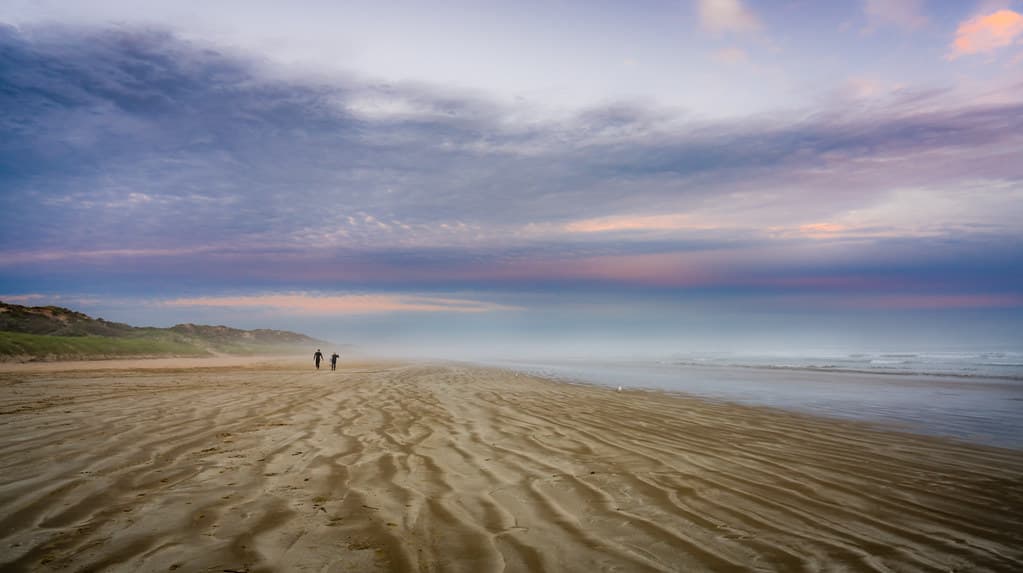
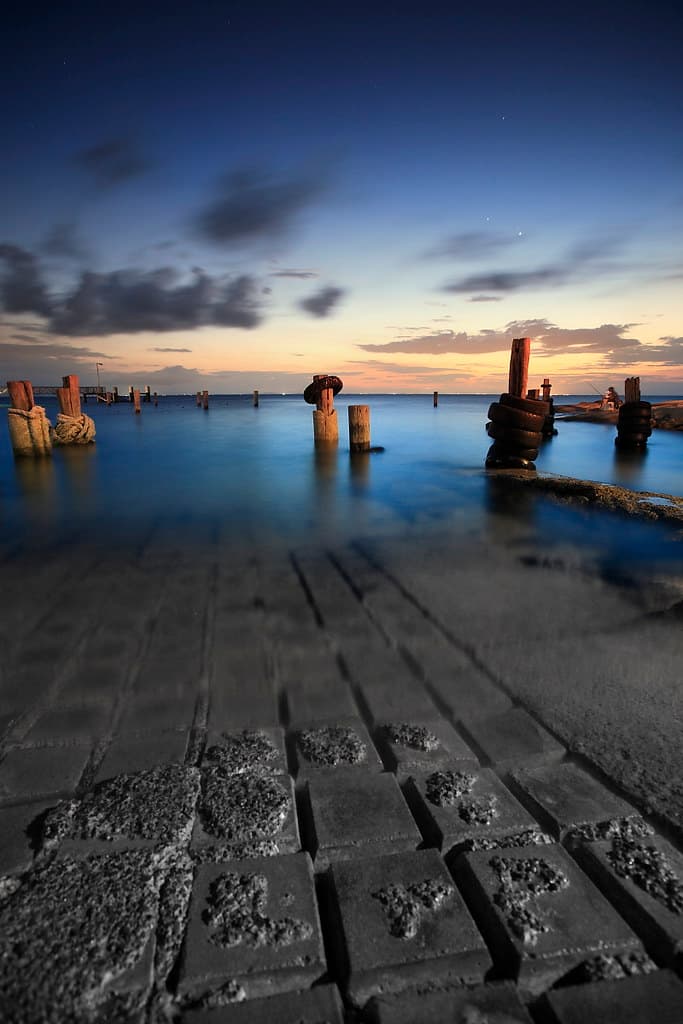
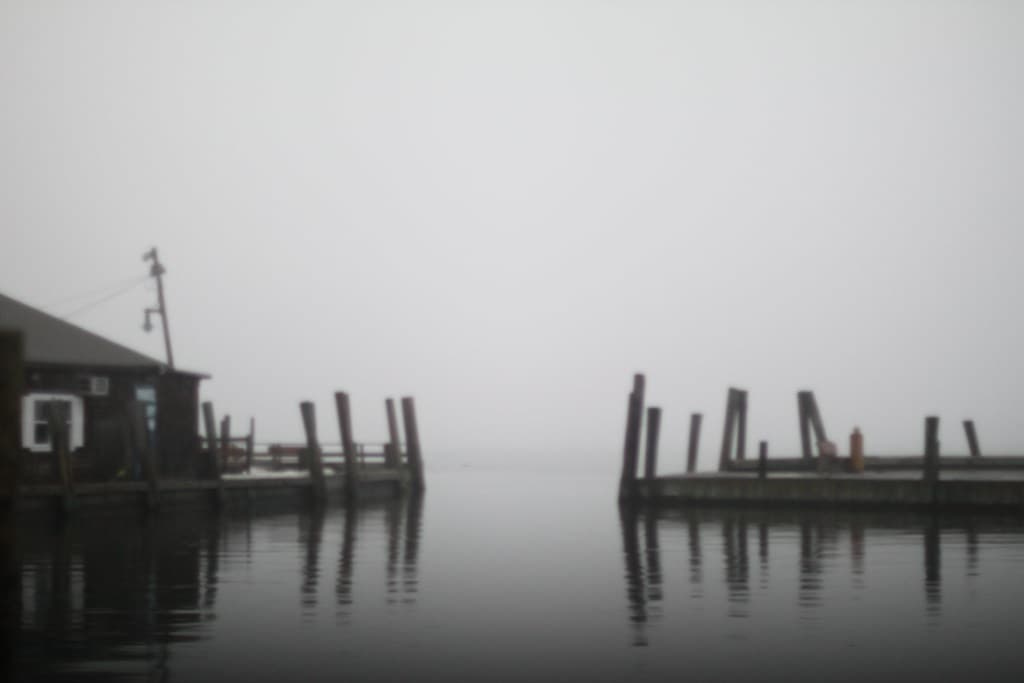
Ferry Terminal Beach sits at one of Australia's great hydraulic crossroads, where the Murray's silty outflow collides with Antarctic swells. The sand stretches east from the century-old ferry jetty, interrupted by driftwood stumps smoothed white by salt and time. On your right, the river mouth shifts with every flood; on your left, basalt boulders mark the beginning of the Encounter Bay coastline that curves toward Victor Harbor. You'll share the strand with cormorants drying their wings on half-submerged posts and the occasional seal hauled out on the cobbles near the groyne. The beach changes personality with the tide: at low water, sandbars expose themselves in the estuary, perfect for wading; at high, waves slap the retaining wall behind the grassy foreshore reserve where Norfolk pines lean permanently northeast from prevailing winds. Goolwa's main street sits two blocks back, so you can park near the Coorong Hotel, grab fish and chips, and be barefoot in five minutes. The ferry itself—a cable-guided platform that's shuttled between Goolwa and Hindmarsh Island since 1935—passes every few minutes during daylight, its diesel rumble a constant soundtrack. Pelicans gather in its wake, circling the pylons where baitfish concentrate in the eddies.
Places, rentals, tours and events within walking and driving distance of Ferry Terminal Beach.
Photos
Ferry Terminal Beach is located where the Murray River meets the ocean, creating complex currents and conditions that can vary significantly. The beach is generally calmer than ocean beaches, but swimmers should be cautious of river currents, boat traffic from the nearby ferry terminal, and changing water levels. There are no patrolled swimming areas or lifeguards on duty. Always check local conditions before entering the water, supervise children closely, and avoid swimming near the ferry crossing area where vessel traffic is present.
Ferry Terminal Beach can be enjoyed year-round, with each season offering different experiences. Summer (December-February) provides warm weather ideal for swimming and picnics, though it can get busy. Autumn and spring offer mild temperatures perfect for walking and birdwatching with fewer crowds. Winter is quieter and excellent for scenic strolls, though water temperatures are cold. The beach's sheltered position near the river mouth generally means calmer conditions than exposed ocean beaches. Early mornings and late afternoons typically offer the most peaceful visits.
Ferry Terminal Beach is easily accessible from Goolwa's town center, located just a short walk from the main street. Free parking is available near the beach along the Goolwa Barrage and surrounding streets. From Goolwa's center, head towards the waterfront and follow signs to the barrage. The beach is within walking or cycling distance from most accommodations in town. If you're coming from Adelaide, it's approximately a 90-minute drive south via the Victor Harbor Road. The proximity to town makes it very convenient for visitors.
Being close to Goolwa's town center, Ferry Terminal Beach offers excellent access to amenities. Within walking distance, you'll find numerous cafes, restaurants, pubs, and bakeries along the main street offering everything from casual fish and chips to fine dining. The beach itself has limited facilities, so it's best to grab supplies in town. Accommodation options range from hotels and motels to holiday rentals and caravan parks, most within a short distance. Public toilets and picnic facilities are typically available near the waterfront area.
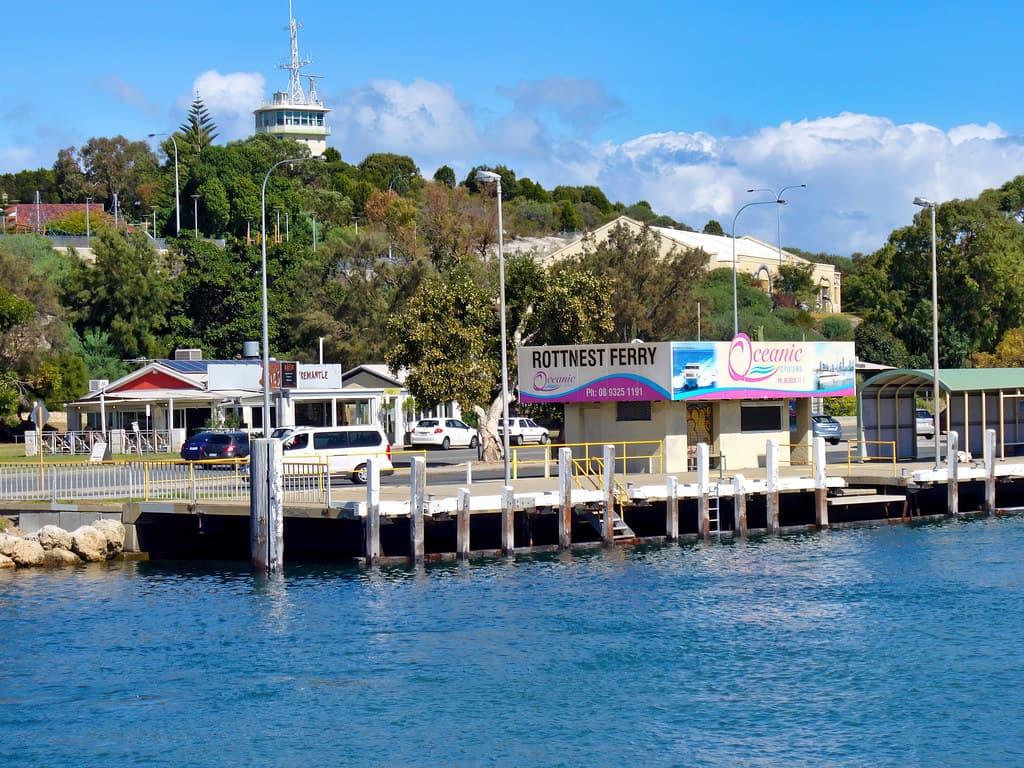
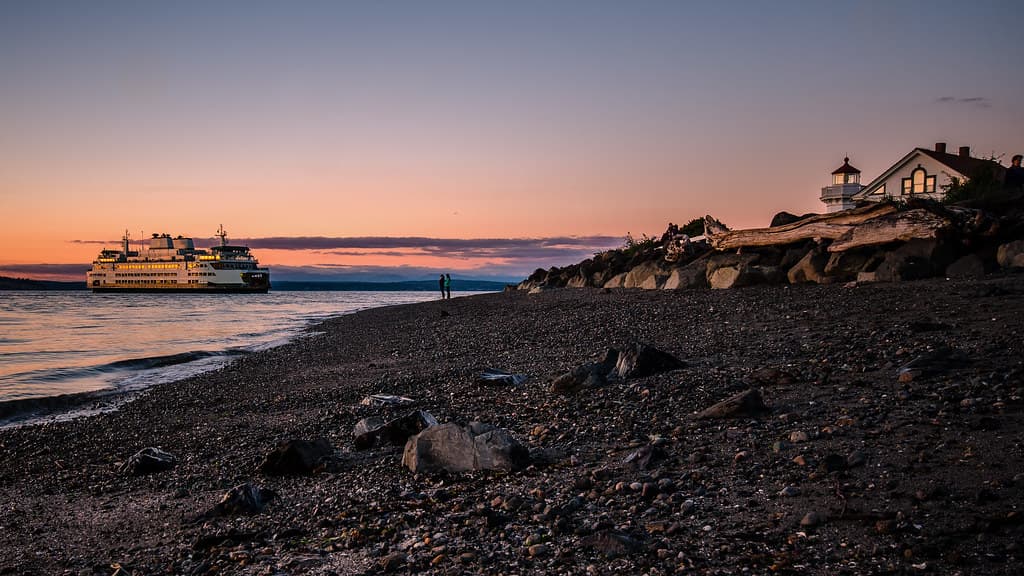
Yes, Ferry Terminal Beach takes its name from the nearby cable ferry crossing that connects Goolwa to Hindmarsh Island across the Murray River mouth. While the current ferry is modern, the crossing has historical significance and operates regularly throughout the day, carrying vehicles and pedestrians. Watching the ferry operate is part of the beach's unique character. The area also offers views of the Goolwa Barrage, part of the Murray River system's engineering works. It's an interesting spot to observe both natural river-ocean dynamics and local maritime activity.