

Counting the waves…
Counting the waves…

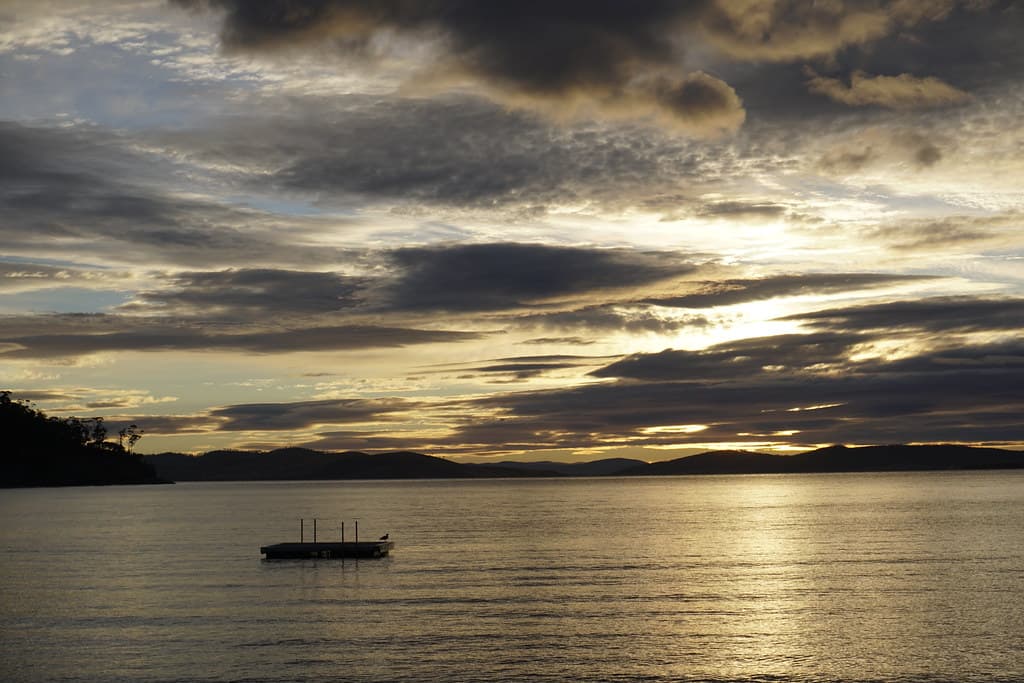
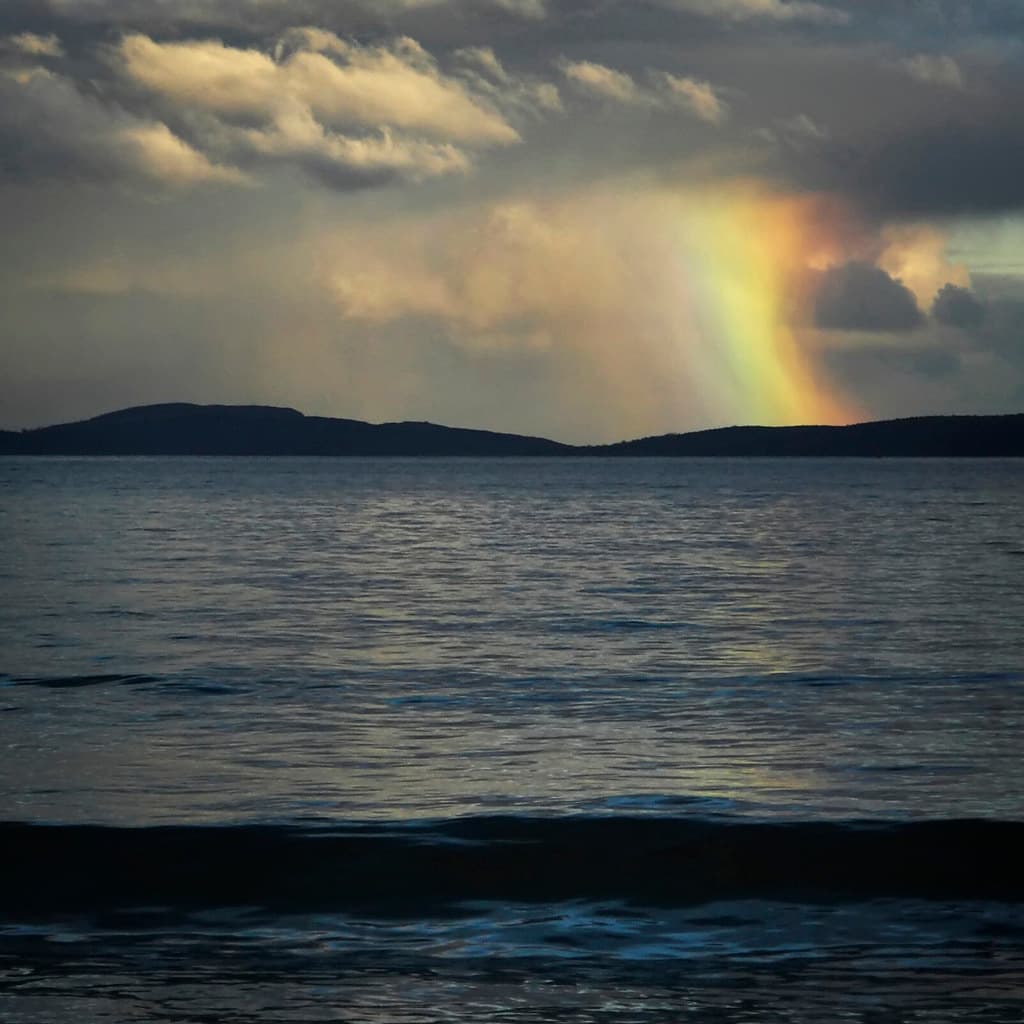
Snug Beach curves gently at the base of weathered sandstone bluffs, facing northeast across the mouth of North West Bay. The shoreline collects smooth driftwood and kelp ribbons that mark the high-tide line, and at your back, native bush spills down the slope—she-oaks, silver wattles, and the occasional black peppermint releasing its camphor scent on warm afternoons. Most visitors to Tasmania's southeast coast race past the turnoff, bound for more famous stretches, leaving this pocket to the handful who know. The beach takes its name from the 1792 visit of HMS *Discovery*, whose crew found the bay a snug anchorage in foul weather. That sense of shelter persists. Even when westerlies rake the Derwent Estuary, Snug sits in a lee, its water ruffled but rarely rough. You'll see little penguins bobbing offshore at dusk and Pacific gulls working the shallows for crabs. The sand underfoot is coarse enough to squeak, studded with fragments of blue mussel shell. Bring a thermos. The wind here carries the particular chill of the Southern Ocean, cutting through fleece even on bright days. But the solitude is absolute, the kind that lets you hear your own footsteps and the scrape of waves on pebbles. For couples seeking a beach where you won't be photographed mid-embrace, Snug delivers.
Places, rentals, tours and events within walking and driving distance of Snug Beach.
Photos
Snug Beach is generally calm and suitable for swimming during settled weather, as it sits within a protected bay along the D'Entrecasteaux Channel. However, conditions can change, so always check local weather forecasts before entering the water. The beach has no lifeguard patrol, so swim at your own risk and stay within your depth. Water temperatures are cool year-round (typically 11-17°C), so wetsuits are recommended. Be mindful of boat traffic in the channel and avoid swimming near the jetty area.
Snug Beach can be visited year-round, with each season offering different appeal. Summer (December-February) brings the warmest weather for swimming and beach activities, though water remains cool. Autumn and spring offer milder temperatures and fewer visitors, ideal for peaceful walks and photography. Winter provides dramatic coastal scenery and potential whale-watching opportunities. Weekdays are generally quieter than weekends. Early mornings and late afternoons offer the best light for the scenic surroundings and greatest privacy at this tranquil spot.
Snug Beach is located approximately 35 kilometers south of Hobart via the Huon Highway (A6). Drive through the village of Snug and follow Beach Road to reach the beach access. There's a small parking area near the beach, which can fill quickly during peak times and weekends due to the beach's popularity with locals. No public transport runs directly to the beach, so a private vehicle is necessary. The drive from central Hobart takes around 40 minutes in normal traffic conditions.
Snug Beach has minimal facilities—there's typically a toilet block but no cafes, shops, or food vendors directly at the beach. It's best to bring your own food, drinks, and beach supplies. The nearby village of Snug (about 2 kilometers away) has a general store and a few dining options for basic provisions. For more extensive facilities, accommodations, and restaurants, Kingston (15 minutes north) or continuing south to Kettering offers better options. Plan ahead and pack everything you'll need for your beach visit.
Snug Beach's secluded location and peaceful atmosphere make it perfect for couples seeking privacy away from Hobart's busier beaches. The intimate cove setting, framed by bush-covered hills and offering stunning water views across the D'Entrecasteaux Channel, creates a naturally romantic environment. The beach sees fewer crowds than tourist hotspots, especially on weekdays. Its proximity to Hobart makes it accessible for day trips or sunset visits, while the tranquil surroundings and natural beauty provide an ideal backdrop for quiet moments together without the hustle of more commercial beaches.