
Counting the waves…
Counting the waves…

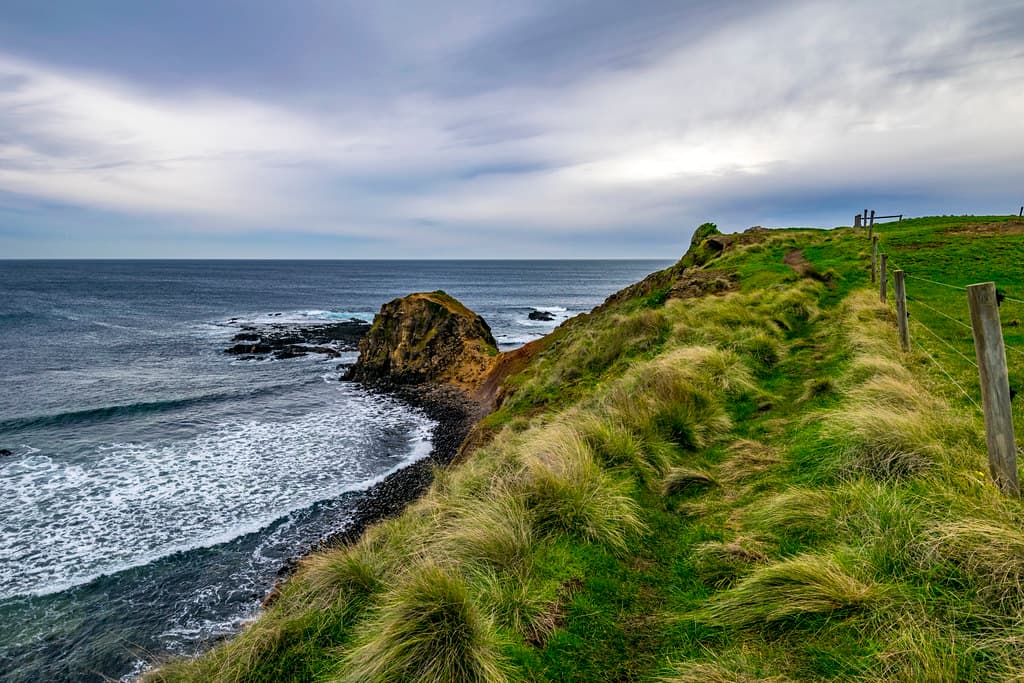
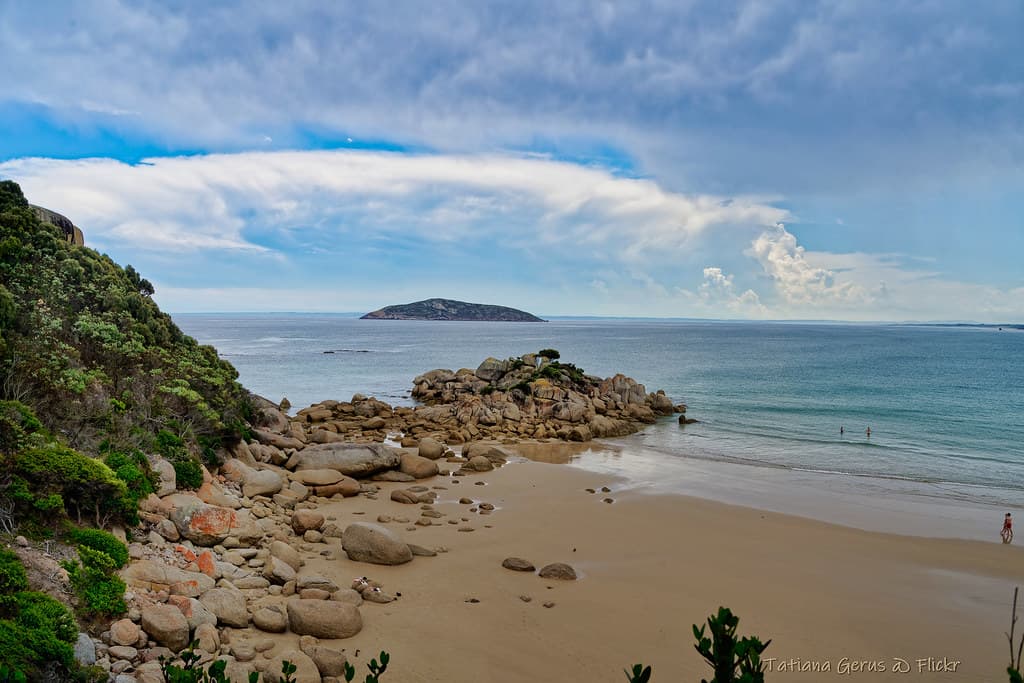
The gravel turnout sits unmarked along Roaring Beach Road, and the track down through low scrub and banksias confirms you've left the tour-bus crowd behind. When the sand opens before you, the noise makes sense: waves peel left and right with metronomic consistency, driven by swells that have traveled uninterrupted across thousands of miles of open ocean. Dolerite headlands frame both ends of the beach, their fractured columns dark against the white foam. You'll share the line-up with a rotation of locals who paddle out in all seasons, their wetsuits varying in thickness with the months. Between sets, scan the cliffs—the burnt-orange and grey striations in the rock face shift color as clouds race overhead, and the coastal scrub clings to fissures with stubborn determination. On windless afternoons, the only sounds are the crash of waves and the occasional cry of a Pacific gull. Pack everything in and out; there are no bins, no kiosks, no lifeguards. The beach resets itself each tide, erasing your presence. In winter, you might spot a whale breaching offshore. In summer, the water never climbs past sixteen degrees. Bring a thick towel and accept that some beaches demand more than they offer in comfort—what they return is a coastline still ruled by swell and stone.
Places, rentals, tours and events within walking and driving distance of Roaring Beach.
Photos
Roaring Beach has powerful surf and can present challenging swimming conditions, particularly for inexperienced swimmers. The beach is unpatrolled, so there are no lifeguards on duty. Strong currents and rips are common, making it more suitable for experienced surfers than casual swimmers. Always check conditions before entering the water, never swim alone, and stay between the flags if any are present. The beach's name reflects its often roaring waves, so exercise caution and consider safer swimming spots nearby if you're travelling with children.
Roaring Beach can be visited year-round, with each season offering different appeals. Summer (December-February) provides warmer weather for beach activities, though it can be busier. Autumn and spring offer mild temperatures and fewer crowds, ideal for scenic walks and photography. Winter delivers the most consistent surf swells for experienced surfers. Weather in Tasmania can be unpredictable regardless of season, so pack layers and waterproof clothing. Early morning visits often reward you with stunning light and fewer people, making it perfect for enjoying the dramatic coastal scenery.
Roaring Beach is located approximately 90 minutes' drive south of Hobart via the A6 and C320. From Hobart, head towards Kettering, then follow signs through Middleton and Woodbridge. The final stretch involves unsealed roads that may require careful navigation, and a four-wheel drive is recommended in wet conditions. There is a small parking area near the beach access point, but it's limited in capacity. The beach requires a short walk from the car park. Given its remote location, ensure you have a full fuel tank before departing Hobart.
Roaring Beach is a remote, undeveloped location with no onsite facilities, cafes, or toilets. Visitors should bring all necessary supplies, including food, water, and sun protection. The nearest town with services is Middleton, approximately 15-20 minutes' drive away, where you'll find basic provisions. For accommodation, your best options are in nearby towns like Woodbridge or Cygnet, or return to Hobart. Given the beach's isolation, plan ahead and pack everything you need for your visit, including bags for rubbish as there are no bins onsite.
Roaring Beach stands out for its remarkable consistency in producing quality surf breaks, earning it a reputation among local surfers as one of southern Tasmania's most reliable spots. Unlike busier surf beaches, it remains relatively uncrowded due to its remote location and limited access. The beach is framed by dramatic coastal scenery, with rugged headlands and pristine wilderness creating a stunning backdrop. Its southerly exposure means it captures swells from the Southern Ocean effectively, though this also contributes to its challenging conditions that suit intermediate to advanced surfers rather than beginners.