Counting the waves…
Counting the waves…

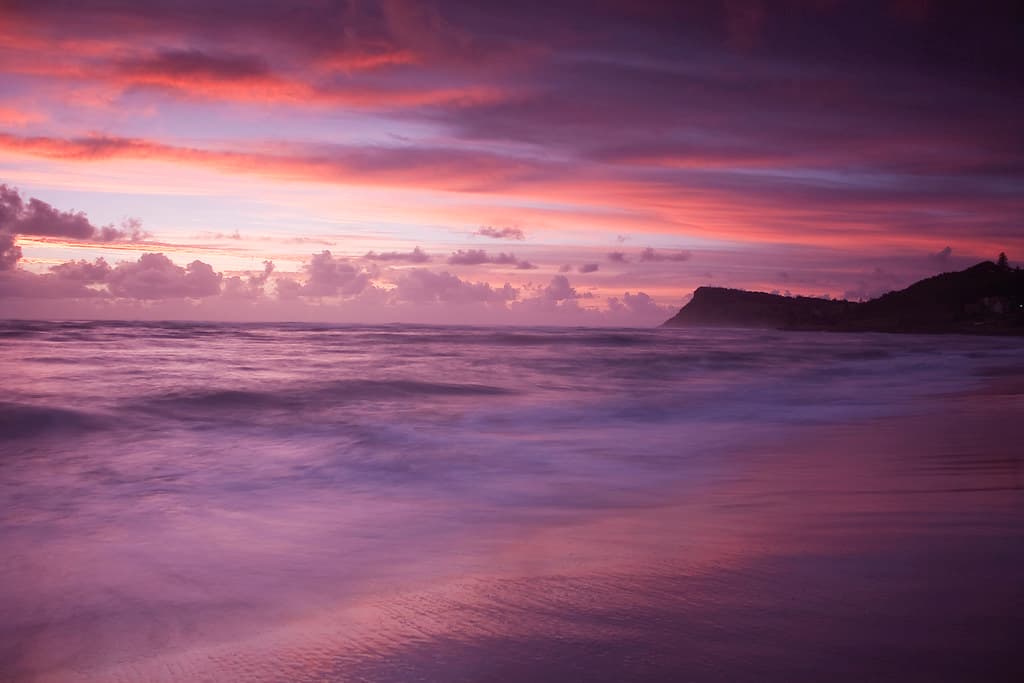
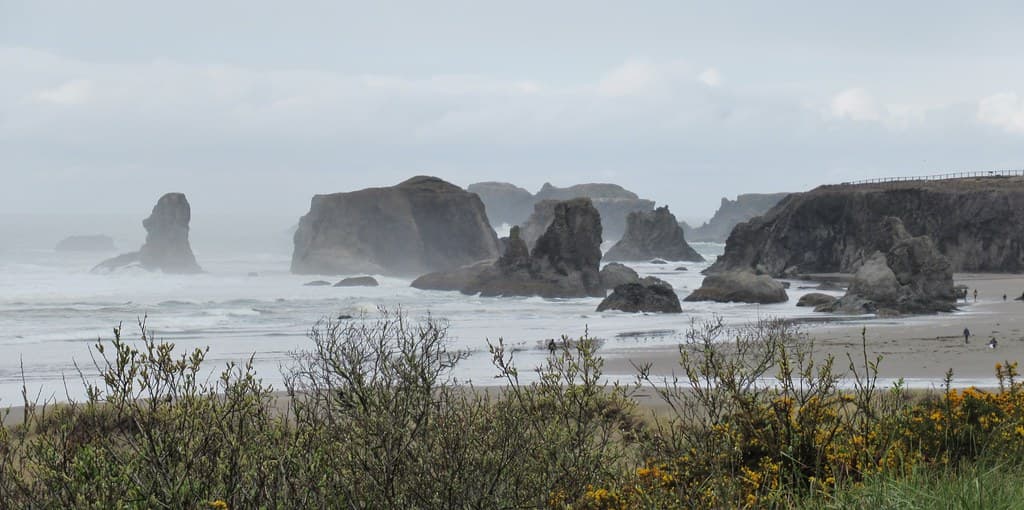
The first thing you notice at Scottsdale Beach isn't the sand—it's the silence. Tucked along a forgotten stretch of northern Tasmania's coast, this beach sees more wallabies than tourists. The approach alone filters out the crowds: a gravel road winds through farmland until eucalyptus gives way to coastal heath, and suddenly you're parking on grass beside a beach that feels like it belongs to you alone. The granite outcrops framing each end of the cove create natural tide pools where your children can crouch and watch velvet swimming crabs scuttle sideways. Wade in and the sand stays firm underfoot—no sudden drop-offs, no rips tearing at your ankles. By midday the shallows warm enough that you'll forget you're swimming in the Tasman Sea. Bring a mask and you'll find schools of leatherjackets hovering above urchin-studded reefs just beyond the breakers. Pack everything in your cooler; the nearest shop is twenty minutes back toward Launceston. But that isolation is the point. You'll spread your towel on sand that holds the imprint of seabirds, not flip-flops. You'll eat sandwiches with the faint taste of salt spray on your lips. And when you finally leave, the beach will look exactly as it did when you arrived—as if you were never there at all.
Places, rentals, tours and events within walking and driving distance of Scottsdale Beach.
Photos
Scottsdale Beach is generally suitable for swimming, particularly during calmer weather conditions. The beach is relatively sheltered, making it safer than some of Tasmania's more exposed coastal areas. However, conditions can vary with weather and tides. Always check local conditions before entering the water, as Tasmania's waters are cold year-round (averaging 12-17°C). The beach is popular for snorkeling when conditions are calm, suggesting reasonable visibility and marine life. Supervise children closely and be aware that beaches in Tasmania typically don't have lifeguard patrols, so swim at your own risk.
Scottsdale Beach can be visited year-round, with each season offering different experiences. Summer (December-February) provides the warmest air temperatures (18-24°C) and longest daylight hours, ideal for beach activities and snorkeling. Autumn and spring offer milder conditions with fewer crowds. Winter (June-August) is cooler but still scenic for beach walks. Tasmania's weather is changeable regardless of season, so bring layers and be prepared for sudden shifts. Mornings often offer calmer conditions for water activities. Check local forecasts before visiting, as wind and rain can affect beach accessibility and enjoyment throughout the year.
Scottslade Beach is located along Tasmania's northern coast near Launceston. Access typically involves driving, as public transport to remote Tasmanian beaches is limited. From Launceston city center, the journey takes approximately 45-60 minutes depending on the exact route. You'll likely need to navigate local roads, some of which may be unsealed in the final approach. Being described as 'secluded' and 'hidden,' parking facilities may be informal or limited to roadside areas rather than dedicated car parks. A GPS or detailed map is recommended, and a vehicle suitable for potentially rough roads would be beneficial.
Given Scottsdale Beach's secluded nature, immediate amenities are likely very limited or non-existent at the beach itself. Visitors should plan to bring their own food, drinks, and supplies for the day. The nearest town facilities would likely be found in nearby coastal communities or back toward Launceston, where you'll find supermarkets, restaurants, cafes, and accommodation ranging from hotels to holiday rentals. Pack out all rubbish, as remote Tasmanian beaches typically lack bins and facilities. For overnight stays, research accommodation options in the broader region before your visit, as beachside lodging may not be available directly at this location.
Scottsdale Beach's reputation for snorkeling suggests relatively calm, clear waters that allow visibility of Tasmania's unique marine environment. Tasmanian waters are part of a temperate marine ecosystem, so snorkelers might encounter species like wrasse, leatherjackets, sea stars, and various kelp forests rather than tropical fish. The protected nature of the beach likely creates conditions suitable for exploring rocky areas and underwater features. Water temperatures are cold year-round, so a wetsuit is essential for comfortable snorkeling. Conditions are best during calm weather with good visibility. Always snorkel with a buddy and stay aware of your surroundings and capabilities.