Counting the waves…
Counting the waves…

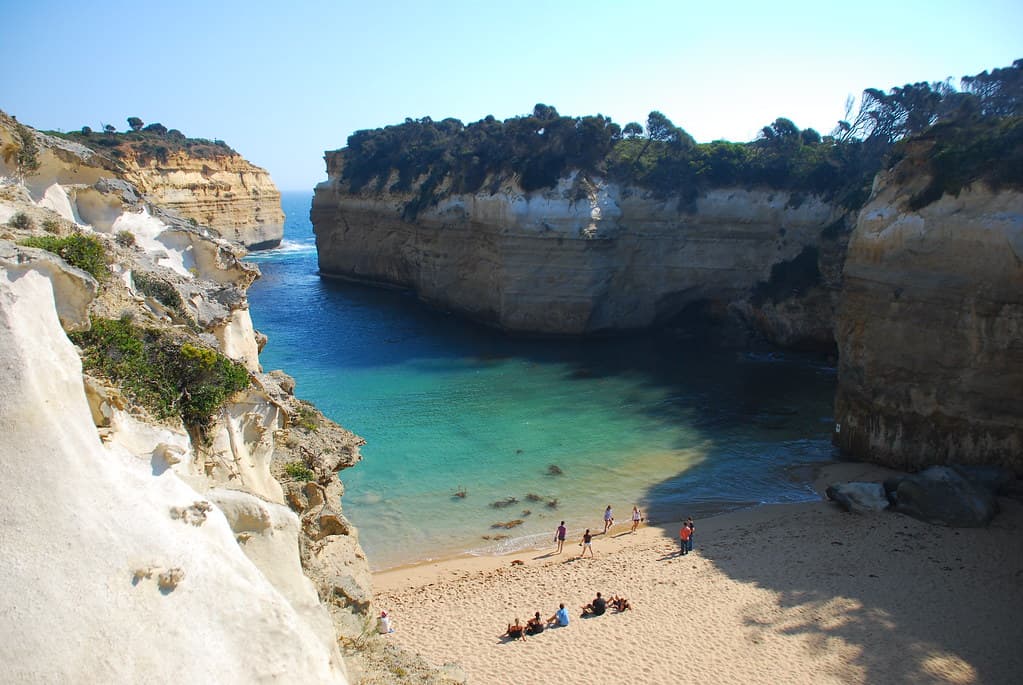
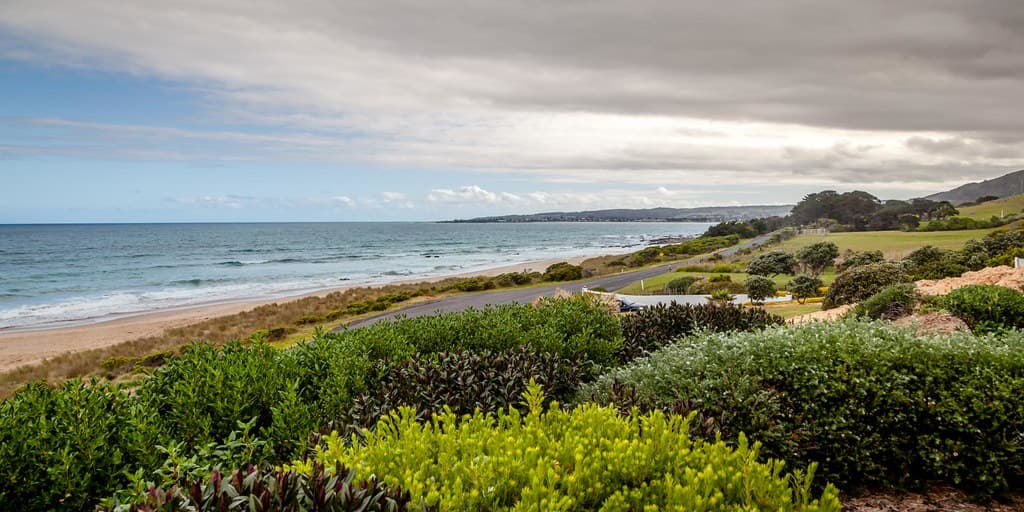
The beach unfolds in two moods. At the eastern end, near the breakwater, families stake out territory with striped umbrellas and foam boogie boards, while gulls wheel overhead waiting for dropped chips. The sand here is firm underfoot, compacted by tide and foot traffic, and the waves roll in with the lazy predictability of a metronome. Walk west toward Point Bunbury, though, and the crowds thin to dog walkers and solitary joggers, the shoreline curving away toward forested cliffs that belong to the Otways hinterland. The water temperature hovers between brisk and tolerable year-round—locals favour autumn when the ocean holds summer's residual warmth and the January crowds have retreated to Melbourne. You'll spot them doing their morning laps near the surf lifesaving club, red caps bobbing between the flags. The beach handles swell with grace; even when offshore storms churn the Tasman, Apollo Bay's northwest-facing aspect and natural harbour tame the worst of it into manageable rollers. Past the rock pools at low tide, you'll find periwinkles clinging to basalt shelves and the occasional blue swimmer crab scuttling for cover. The town rises directly behind the foreshore—weatherboard cafés, the old fishermen's co-op, Norfolk pines that creak in the westerlies—close enough that you can duck in for flat whites without bothering to rinse the salt from your ankles.
Places, rentals, tours and events within walking and driving distance of Apollo Bay Beach.
Photos
Apollo Bay Beach is generally safer for swimming than many other Victorian beaches due to its sheltered location and calmer waters. The beach is patrolled by lifeguards during summer months and school holidays. Always swim between the red and yellow flags where lifeguards are present. The northern end near the harbor offers the calmest conditions, making it ideal for families with children. However, conditions can change, so check local surf reports and warning signs before entering the water, and avoid swimming during rough weather or strong winds.
Apollo Bay Beach is accessible year-round, with each season offering different appeals. Summer (December-February) provides the warmest weather for swimming and sunbathing, though it's the busiest period. Autumn (March-May) offers mild temperatures and fewer crowds, perfect for beach walks. Winter (June-August) can be dramatic with storm watching opportunities, while spring (September-November) brings whale watching season. For the best overall experience combining pleasant weather and manageable crowds, visit during late spring or early autumn when temperatures are comfortable and the town is less congested.
Apollo Bay Beach is easily accessible along the Great Ocean Road, approximately 200km southwest of Melbourne (2.5-3 hours' drive). The beach is located right in Apollo Bay township with multiple parking options. Free parking is available along the beachfront Pascoe Street and Great Ocean Road. During peak summer periods, these can fill quickly, but additional parking exists in nearby streets. The town is compact and walkable, so parking anywhere in the central area puts you within easy walking distance of the beach. Public transport options are limited.
Apollo Bay offers excellent dining and accommodation options within walking distance of the beach. The town features numerous cafes, seafood restaurants, fish and chip shops, and pubs along the main street. Fresh local seafood is a highlight. Accommodation ranges from beachfront caravan parks and budget motels to boutique hotels and holiday apartments. Many properties offer ocean views and are within a few minutes' walk of the beach. Supermarkets and bakeries are also available in town for self-catering. Booking ahead is essential during peak summer months and school holidays when the town gets busy.
Apollo Bay Beach and its surrounds offer good wildlife viewing opportunities. Between June and September, southern right whales and humpback whales can be spotted from the shore during their migration. The nearby harbor and rocks attract seabirds including gulls, cormorants, and occasionally penguins at dusk. Early morning beach walks may reveal shorebirds feeding along the tideline. The surrounding coastal areas, particularly toward Cape Otway, are home to koalas and native birds. For the best whale watching, bring binoculars and scan the horizon during winter and spring months.