Counting the waves…
Counting the waves…

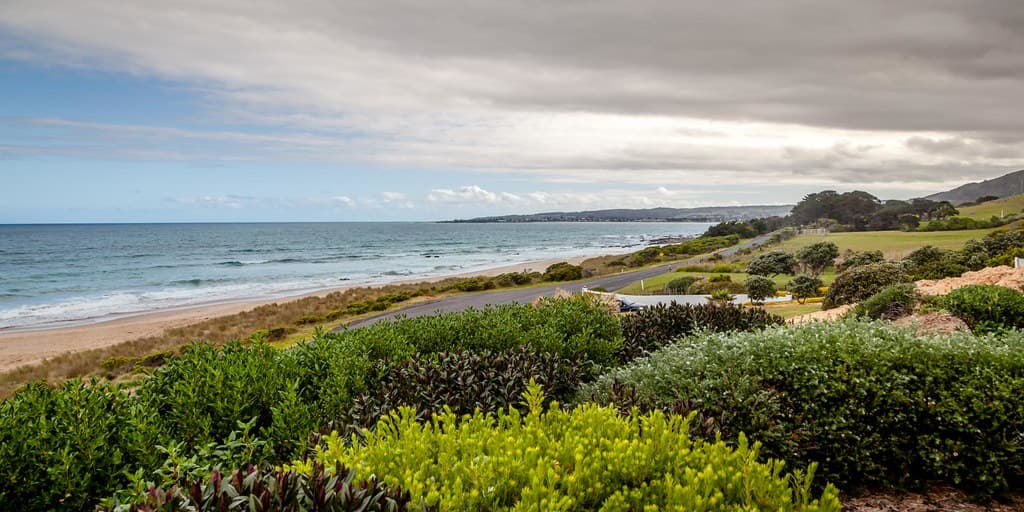
The drive down from Melbourne delivers you to a coast where cool-climate forest presses against the sea. At Mait's Rest Beach, the sand carries the russet stain of creek water filtering through ancient fern gullies, and the air tastes of salt and wet bark. Gulls wheel overhead while you walk barefoot along the tideline, kelp ribbons drying in coils at your feet, the Southern Ocean rolling in with methodical patience. Families spread picnic blankets on the upper beach while children chase foam up the slope, shrieking at the cold. The water rarely climbs past 16°C, even in summer, but that doesn't stop the determined from plunging in. Behind you, the Great Otway National Park rises in ridges of myrtle beech and blackwood, trails winding through moss-thick gullies that have barely changed since the Cretaceous. This stretch has watched timber-getters, fishermen, and holidaymakers come and go for more than a century. Today you'll find dog walkers at dawn, photographers chasing the moody interplay of fog and wave, and travelers pulling off the Great Ocean Road for an hour that stretches into three. The beach doesn't shout for attention—it simply exists, elemental and unhurried, where two of Victoria's wildest landscapes meet.
Places, rentals, tours and events within walking and driving distance of Mait's Rest Beach.
Photos
Swimming conditions at beaches near Apollo Bay along Victoria's Great Ocean Road can be challenging due to strong currents, rips, and cold Southern Ocean waters. Always check local surf conditions and warning signs before entering the water. Swimming between the red and yellow flags at patrolled beaches is strongly recommended. If you're visiting during summer (December-February), nearby Apollo Bay main beach offers patrol services. For your safety, never swim alone and be aware that ocean conditions can change rapidly along this coastline.
The Great Ocean Road region, including Apollo Bay, offers year-round appeal with each season bringing unique characteristics. Summer (December-February) provides warmer weather ideal for beach activities, though it's the busiest period. Autumn and spring offer milder temperatures, fewer crowds, and excellent conditions for coastal walks. Winter (June-August) can be dramatic with powerful seas and occasional whale sightings, though expect cooler temperatures and rainfall. For the most comfortable beach weather, visit between November and April when temperatures range from 18-25°C.
Apollo Bay is located approximately 200km southwest of Melbourne along the Great Ocean Road (B100). The drive takes about 2.5-3 hours via Geelong. Once in Apollo Bay, beaches are easily accessible from the town center with street parking available along the Great Ocean Road foreshore. For specific beach access points, look for signposted beach access tracks and designated parking areas. During peak summer periods, parking can be limited, so arriving early is advisable. The town is compact and walkable, making beach access convenient.
Apollo Bay offers diverse accommodation ranging from caravan parks and budget motels to boutique hotels and holiday rentals, catering to various budgets. The town center features numerous cafes, restaurants, and takeaway shops serving fresh seafood, fish and chips, and modern Australian cuisine. Several bakeries and coffee shops provide breakfast options. A supermarket is available for self-catering needs. Many accommodations are within walking distance of the beach. Booking ahead is essential during peak summer holidays and long weekends when Apollo Bay becomes very popular with visitors.
Mait's Rest is actually a famous rainforest boardwalk located in Great Otway National Park, approximately 15km west of Apollo Bay, rather than a beach itself. This short 30-minute loop walk takes visitors through ancient cool-temperate rainforest with towering Mountain Ash and Myrtle Beech trees. While not a beach destination, it's often combined with Apollo Bay beach visits as part of a Great Ocean Road itinerary. The walk is accessible, family-friendly, and offers a stunning contrast to coastal scenery, showcasing the region's diverse natural environments.