Counting the waves…
Counting the waves…

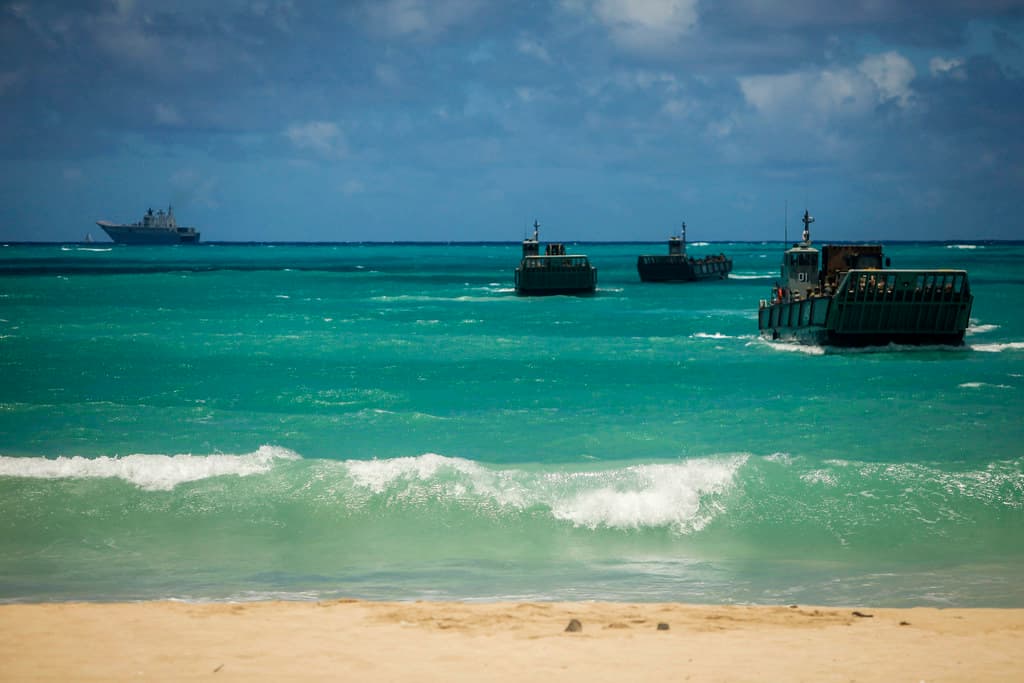
The sand at Inverloch runs warmer than you expect—fine grains the colour of shortbread, sun-heated by midday and soft enough to walk barefoot from the surf club all the way to the inlet mouth. You'll notice families claim their patches early, beach umbrellas dotting the foreshore while kids chase foam at the water's edge. The shallows here extend twenty metres out, rippled sandbars visible beneath ankle-deep swells that arrive polite and evenly spaced from the strait. Anderson Inlet curves east, sheltering the beach from the Bass Strait chop that hammers neighbouring coastlines. At low tide, the exposed flats reveal tiny soldier crabs scuttling sideways, their movements hypnotic against wet sand that mirrors the sky. Local dogs bound through the shallows at the eastern end, where off-leash hours draw a faithful crowd of retrievers and their salt-sprayed owners. The esplanade behind the beach hums with a practical charm: fish-and-chip shops, a bakery selling vanilla slices, the surf lifesaving club painted in yellow and red. You'll park along the Esplanade itself, stepping from your car directly onto grass that transitions to sand within ten paces. No grand entrance, no boardwalk theatrics—just an honest stretch of Victorian coastline that's been drawing Melbourne weekenders since the 1950s, reliably calm and unapologetically family-focused.
Places, rentals, tours and events within walking and driving distance of Inverloch Beach.
Photos
Inverloch Beach is generally considered safe for swimming and is popular with families due to its gentle waves and shallow waters near the shore. The beach is patrolled by lifeguards during summer holidays and weekends, making it safer for children. However, always swim between the red and yellow flags when lifeguards are on duty. The calm waters of Anderson Inlet make it ideal for paddling and beginner swimmers. Check local conditions before entering the water, as weather and tides can affect safety.
Inverloch Beach is beautiful year-round, with each season offering different experiences. Summer (December-February) is most popular for swimming and beach activities, with temperatures reaching 20-25°C, though it can be crowded. Autumn and spring offer milder weather, fewer crowds, and pleasant beach walks. Winter is quieter and ideal for storm watching and whale spotting during migration season. The beach faces south, so it can be windy. Sunrise visits are particularly stunning regardless of season.
Inverloch Beach is approximately 140km southeast of Melbourne, about a 90-minute drive via the South Gippsland Highway and Bass Highway. From Phillip Island, it's roughly 40km. There's ample free parking available along the Esplanade and surrounding streets near the beach. During peak summer periods and public holidays, parking can fill quickly, so arriving early is recommended. The beach is easily accessible by foot from the car parks, with wheelchair-accessible paths available at certain entry points.
Inverloch township offers various dining options including cafes, fish and chip shops, and restaurants along the Esplanade and A'Beckett Street. Public toilets, picnic areas, and BBQ facilities are available near the beach. The town has supermarkets for supplies. Accommodation ranges from beachfront camping at Inverloch Foreshore Camping Reserve to holiday parks, motels, and rental properties. Many visitors also stay in nearby towns. During peak season, booking accommodation well in advance is essential as this popular destination fills quickly.
The Inverloch area, particularly the nearby Bunurong Marine Park coastline, is renowned for significant dinosaur fossil discoveries. While casual beach visitors won't typically find fossils on Inverloch Beach itself, the surrounding rocky coastal areas have yielded important prehistoric finds. Educational walks and interpretive signage explain the region's paleontological significance. For those interested, joining organized fossil tours or visiting during low tide at permitted areas offers the best experience. Remember that fossil collecting is regulated to protect these important scientific resources.