Counting the waves…
Counting the waves…

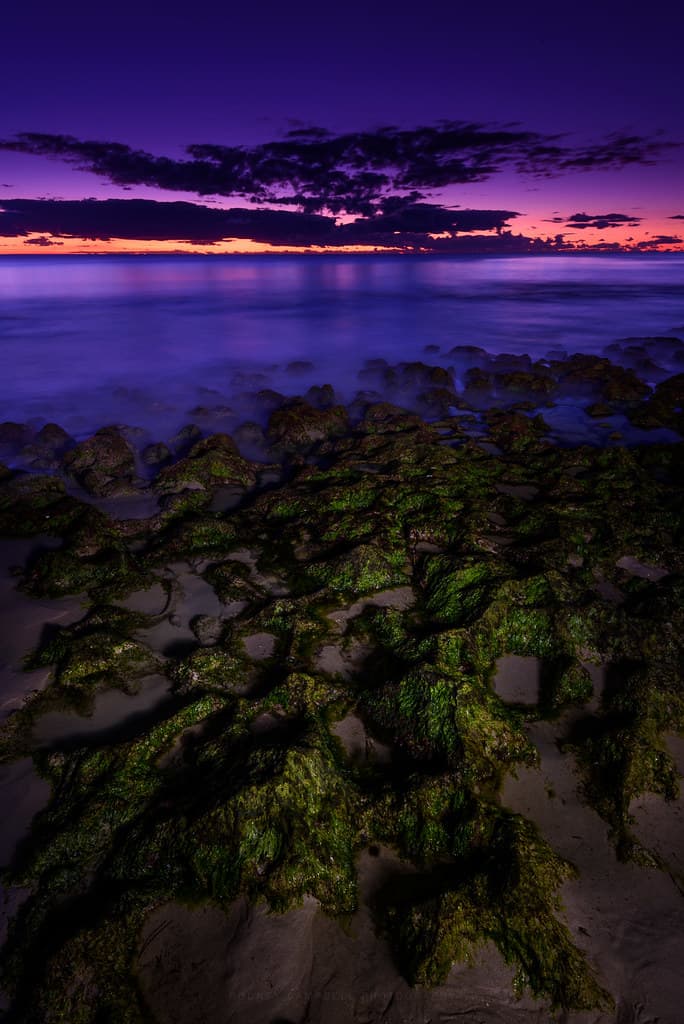
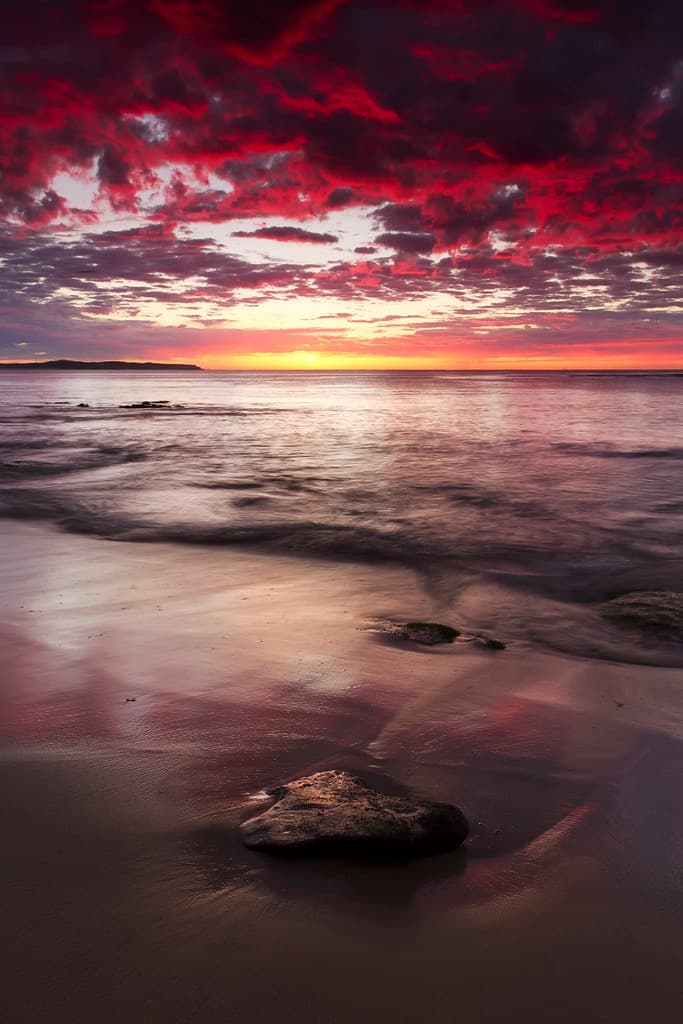
The wooden skeleton of the 1910 coal railway trestle arches over Kilcunda like a cathedral vault, its weathered pylons marking the threshold to a beach that locals guard jealously. You descend weathered stairs to find charcoal sand—volcanic remnants from millennia past—stretching in both directions, punctuated by kelp tangles and the occasional cuttlefish bone. The Bass Coast doesn't coddle: waves hit with Antarctic bite, wind tugs at your jacket, and the horizon is nothing but slate-gray ocean meeting pale sky. Most Phillip Island visitors race past on the coastal highway, intent on penguin parades and seal colonies. Their loss becomes your gain. Walk east and you'll follow the trestle's shadow toward rock pools teeming with anemones and starfish; head west and the beach curves past crumbling cliff faces striped with ochre and rust. Low tide reveals platforms perfect for two, with natural seats carved by millennia of swell. Pack layers—the weather turns quickly here, morning sun giving way to bruised clouds within the hour. But that mercurial quality is precisely what draws couples and photographers who understand that drama trumps comfort. After your walk, the Kilcunda Oceanview Hotel perches on the clifftop above, its deck offering fish-and-chips and Bass Strait vistas that stretch uninterrupted to Tasmania. Come midweek, and you might share the sand with no one but oystercatchers and your own footprints.
Places, rentals, tours and events within walking and driving distance of Kilcunda Beach.
Photos
Kilcunda Beach is generally not recommended for swimming due to strong currents, rips, and rocky areas. The beach is unpatrolled, so there are no lifeguards on duty. The surf can be unpredictable, particularly during winter months and high tide. The beach is better suited for rock pooling, coastal walks, and scenic photography rather than swimming. If you do enter the water, stay close to shore, never swim alone, and check local conditions first. Families with children should supervise closely and stick to shallow areas.
Kilcunda Beach is beautiful year-round, with each season offering something different. Spring and summer (September-February) provide warmer weather ideal for beach walks and picnics, though weekends can be busier. Autumn and winter (March-August) offer dramatic coastal scenery, whale watching opportunities (June-September), and fewer crowds, making it perfect for couples seeking solitude. Early mornings and late afternoons provide the best light for photography. Check weather forecasts before visiting, as conditions can change quickly along this exposed coastline.
Kilcunda Beach is located approximately 130km southeast of Melbourne via the Bass Highway (M420). From Melbourne, take the South Gippsland Highway through Koo Wee Rup, then follow signs to Kilcunda. Free parking is available at the main beach car park off Eddys Road. Additional parking can be found near the famous Kilcunda Trestle Bridge. The beach access involves stairs down the cliff face, so be prepared for a short but steep descent and climb back up.
Kilcunda has limited amenities, adding to its quiet charm. The Kilcunda Ocean View Hotel offers meals and accommodation with spectacular coastal views. A few holiday rentals and beach houses are available for longer stays. For more dining options and supplies, the town of Wonthaggi is about 15 minutes' drive inland. San Remo and Inverloch, both within 20-30 minutes, offer additional restaurants, cafes, and supermarkets. It's wise to bring snacks and water, as facilities directly at the beach are minimal.
Yes, the historic Kilcunda Trestle Bridge is a major attraction and accessible to pedestrians. This 1910 railway bridge has been converted into a scenic walking path offering stunning coastal views. The bridge spans approximately 90 meters and sits 15 meters above the Bass River inlet. It's part of the Bass Coast Rail Trail, perfect for walking or cycling. The bridge provides excellent photo opportunities and connects to coastal walking tracks. Access is free and available year-round, though conditions can be windy and exposed.