Counting the waves…
Counting the waves…
A refined fusion of water purity, environmental stability, and communal vibrancy for Johanna Beach.
View MethodologyAnalyzed via live sensors and environmental data.
Wave height, wind, and atmospheric stability.
Live footfall and crowd balance metrics.
Community reviews and curated sentiment.
“Your boots sink into cocoa-dark sand as salt spray stings your cheeks and Southern Ocean rollers thunder against basalt headlands. Johanna Beach stretches four kilometers beneath towering escarpments, uncrowded even in…”
Limited recent visitor reports — live OBI telemetry is your best guide for current conditions.
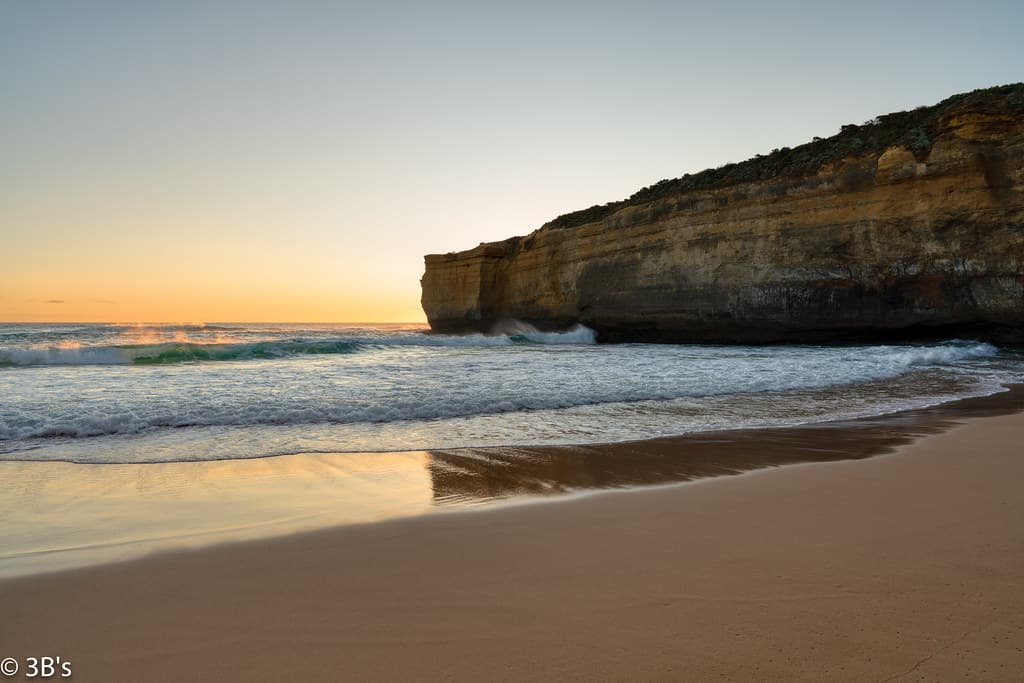
You descend the winding road through eucalyptus forest, and suddenly the horizon splits open: chocolate sand meets white foam in a collision so primal you'll instinctively reach for your jacket. Johanna Beach unfolds beneath ochre cliffs that glow amber in afternoon light, the kind of empty strand where your footprints remain the only ones for hours. The Johanna River mouths here, carving through the beach in lazy loops that shift with every season, creating shallow lagoons where families wade while surfers paddle out beyond the break.
The beach faces southwest, drinking in the full fury of the Southern Ocean. Wind sculpts the sand into rippled patterns that mirror the swells rolling toward shore. Tea-tree scrub clings to the dunes, releasing its medicinal scent when you brush past on the walking trail that climbs east toward the lookout. By mid-afternoon, shadows from Castle Rock stretch across the sand, and the temperature drops five degrees.
 Credit: Unsplash
a beach with a cliff and water with Loch Ard Gorge in the background
 Credit: Unsplash
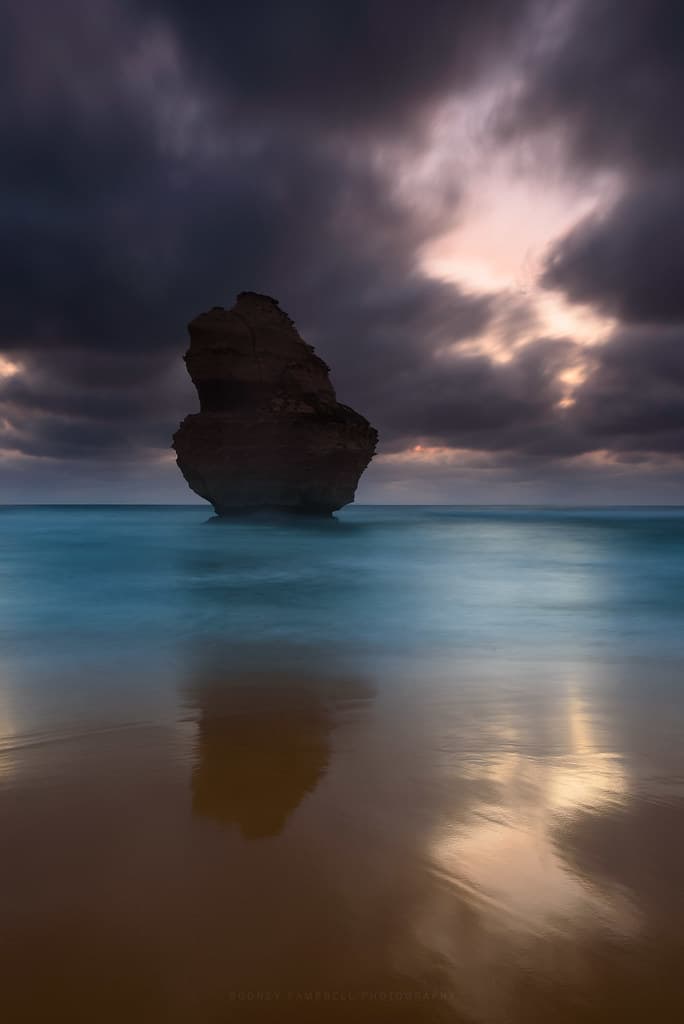
brown rock formation on sea shore during daytime
Consistent left-hand point break
Coastal views from clifftop path
Golden cliffs meet pewter ocean
Where it is
Johanna Beach
Port Campbell, Victoria, Australia
-38.724500°, 142.873700°
Weather
Loading…
Swell
—
Temp
Warm · Restorative
UV Index
Moderate
Wind
—
Tidal State
Last known
Max Sunlight
—
Ideal Shade
—
Jan - Dec (Peak)
Mar - Nov (Off-season)
Historical data suggests peak visibility and stable sea temperatures occur during the prime visitation window.
Select a category to load nearby places.
Unlock restaurants, luxury stays and curated maritime experiences within 2km
Johanna Beach is unpatrolled and features strong currents, rips, and powerful surf, making it dangerous for swimming. The beach is popular with experienced surfers but not recommended for casual swimmers, especially children. The Southern Ocean conditions here are unpredictable and challenging. If you visit with family, paddling in shallow water near the shore during calm conditions is safer, but always supervise children closely. Check local surf reports before visiting and never swim alone or after storms when conditions are particularly hazardous.
Johanna Beach offers year-round appeal, with each season providing different experiences. Summer (December-February) brings warmer weather ideal for beach walks and picnics, though it can be breezy. Winter (June-August) showcases dramatic seas and is perfect for experienced surfers seeking powerful swells. Spring and autumn offer mild temperatures and fewer crowds. The beach's natural beauty shines in all seasons, so the best time depends on your interests—surfing, photography, or peaceful coastal walks. Always prepare for changeable weather and wind regardless of season.
Johanna Beach is located approximately 15 kilometres inland from the Great Ocean Road. From the town of Lavers Hill, follow Johanna Road south for about 10 minutes. The beach features a free parking area near the beach access point with space for multiple vehicles. The final stretch is a sealed road suitable for most vehicles. From Melbourne, it's roughly a 3-hour drive via Colac. There's no public transport to Johanna Beach, so a private vehicle is essential for access.
Johanna Beach has no cafes, restaurants, or shops onsite, so bring all food, water, and supplies with you. Basic toilet facilities are available at the beach. The nearest towns with services are Lavers Hill (15km) and Princetown (20km), offering limited dining and supplies. For accommodation, options include camping nearby or staying in Port Campbell (35km away), which has hotels, motels, and restaurants. Several holiday rentals and farm stays operate in the surrounding area. Plan ahead as this is a remote coastal location with minimal facilities.
Johanna Beach and its surrounding coastal environment offer excellent wildlife viewing opportunities. The area is known for kangaroos that sometimes graze near the beach, particularly during early morning and late afternoon. Birdwatchers can spot various seabirds, including gulls and terns. Between May and October, you might see migrating southern right whales offshore. Rock pools at either end of the beach host small marine life. The nearby bushland is home to native birds and occasionally echidnas. Always observe wildlife from a respectful distance and never feed animals.
Photos