Counting the waves…
Counting the waves…
A refined fusion of water purity, environmental stability, and communal vibrancy for Port Campbell Beach.
View MethodologyAnalyzed via live sensors and environmental data.
Wave height, wind, and atmospheric stability.
Live footfall and crowd balance metrics.
Community reviews and curated sentiment.
“You'll feel the spray of Antarctic-born swells against honey-toned cliffs as you descend to this slender stretch of sand. Framed by Port Campbell National Park's towering rock stacks, the beach serves as your front-row…”
Limited recent visitor reports — live OBI telemetry is your best guide for current conditions.
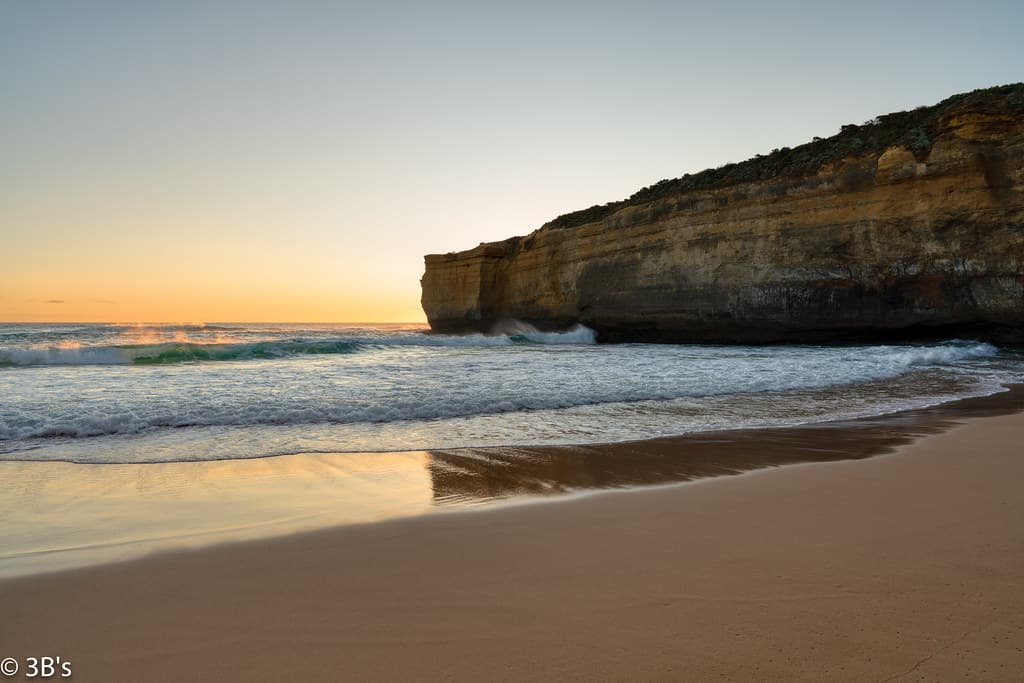
The wooden steps creak beneath your feet as you wind down from the grassy headland, each turn revealing more of the amber-streaked cliffs that cradle Port Campbell Beach. Unlike the dramatic arches and stacks visible from roadside lookouts just minutes away, this tucked-away strand offers something more intimate: the chance to stand where shipwrecked sailors once staggered ashore, to feel the cold bite of the Southern Ocean on your ankles, to watch shearwaters skim the breakers at dusk.
The sand here carries weight—fragments of shells, polished pebbles, the occasional rusted bolt from a century-old wreck. Families spread blankets near the boat ramp while you wade into the shallows, the water so cold it makes your breath catch. Above, the cliffs glow burnt orange in afternoon light, their limestone faces pocked and weathered by millennia of wind and salt.
 Credit: Unsplash
a beach with a cliff and water with Loch Ard Gorge in the background
 Credit: Unsplash
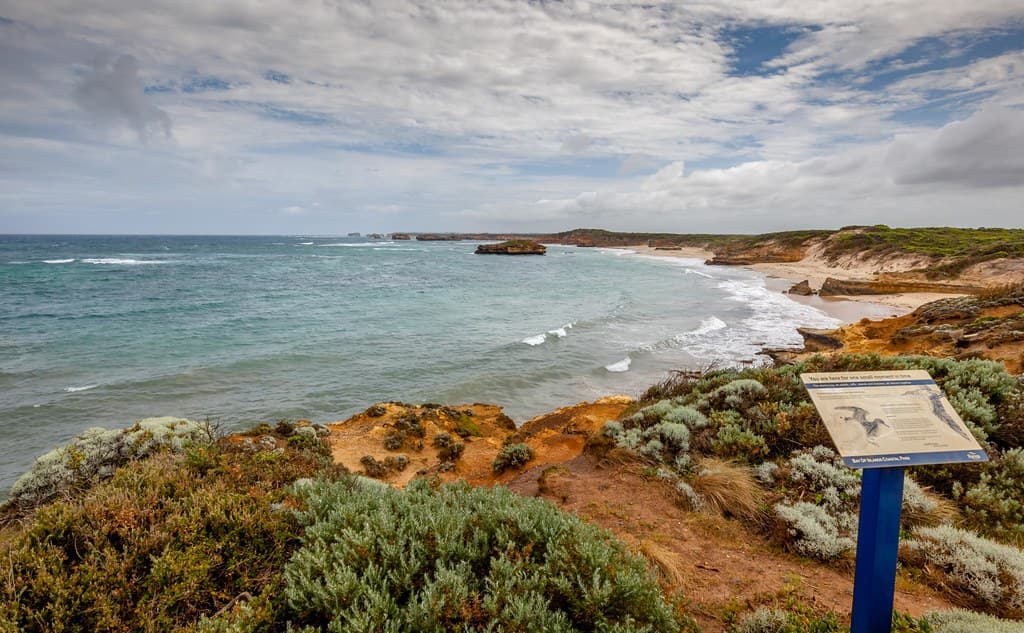
brown rock formation on sea shore during daytime
Golden cliffs at magic hour
Rock platforms to Twelve Apostles
Calmer water near boat ramp
Where it is
Port Campbell Beach
Port Campbell, Victoria, Australia
-38.688900°, 142.727200°
Weather
Loading…
Swell
—
Temp
Warm · Restorative
UV Index
Moderate
Wind
—
Tidal State
Last known
Max Sunlight
—
Ideal Shade
—
Jan - Dec (Peak)
Mar - Nov (Off-season)
Historical data suggests peak visibility and stable sea temperatures occur during the prime visitation window.
Select a category to load nearby places.
Unlock restaurants, luxury stays and curated maritime experiences within 2km
Port Campbell Beach is generally not recommended for swimming due to strong currents, unpredictable surf conditions, and cold Southern Ocean waters. The beach is more suitable for paddling and scenic walks rather than swimming. Always check local conditions and warning signs before entering the water. Lifeguards are not always present, so exercise extreme caution. For safer swimming options, consider visiting nearby inland pools or patrolled beaches in the region during summer months.
Port Campbell Beach can be visited year-round, with each season offering different experiences. Summer (December-February) provides warmer weather ideal for beach walks and photography, though it's busier. Autumn and spring offer mild temperatures and fewer crowds. Winter can be dramatic with powerful waves and moody skies. The beach is particularly famous for spectacular sunset views, so plan your visit for late afternoon. Weather along the coast is changeable, so bring layers regardless of season.
Port Campbell Beach is located in the coastal town of Port Campbell, approximately 3 hours' drive west of Melbourne along the Great Ocean Road. From Melbourne, take the M1 to Geelong, then follow the B100 (Great Ocean Road) southwest. Free public parking is available near the beach at Lord Street and along the foreshore. The town is compact and walkable. Coaches and tour buses regularly stop here as part of Great Ocean Road itineraries.
Port Campbell township offers several cafes, restaurants, and takeaway options within walking distance of the beach, serving fresh seafood and Australian cuisine. Accommodation ranges from caravan parks and budget motels to boutique guesthouses and self-contained apartments. The town has basic supplies at a general store. For more extensive dining and shopping options, Warrnambool is about 30 minutes east. Book accommodation ahead during peak summer months and holidays, as options fill quickly.
No, the Twelve Apostles are not visible from Port Campbell Beach itself. These famous rock formations are located about 7 kilometres east of Port Campbell along the Great Ocean Road. However, Port Campbell Beach is the closest town to the Twelve Apostles and serves as an ideal base for visiting this iconic attraction. The beach offers its own dramatic limestone cliffs and rock formations, providing stunning coastal scenery in a more accessible, less crowded setting.
Photos