Counting the waves…
Counting the waves…
A refined fusion of water purity, environmental stability, and communal vibrancy for The Twelve Apostles.
View MethodologyAnalyzed via live sensors and environmental data.
Wave height, wind, and atmospheric stability.
Live footfall and crowd balance metrics.
Community reviews and curated sentiment.
“You'll stand on rust-red cliffs as spray mists your face and the rumble of breakers echoes through sea caves below. The towering stacks shift from honey to pewter as cloud shadows race across the ocean, their scale only…”
Limited recent visitor reports — live OBI telemetry is your best guide for current conditions.
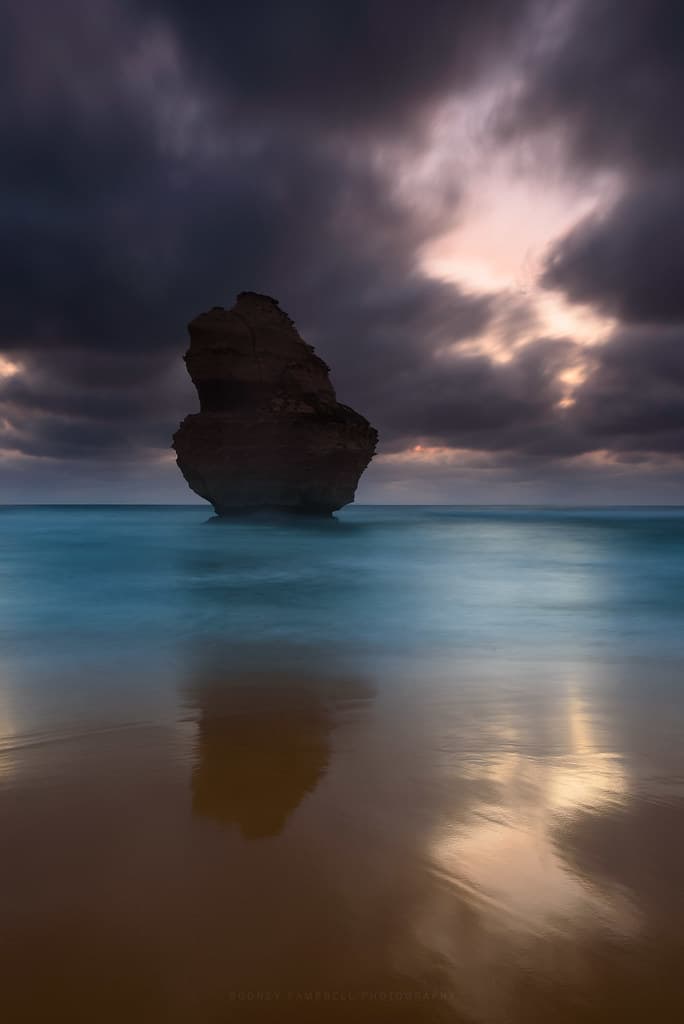
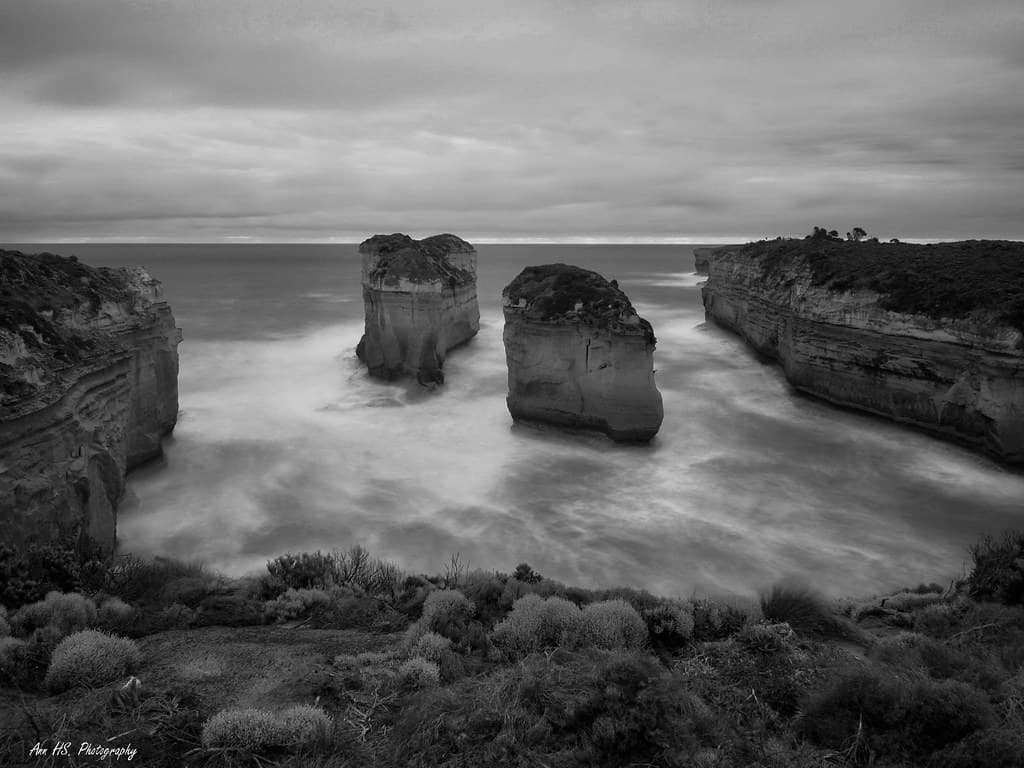
You arrive at the viewing platforms as wind tears at your jacket, salt sharp on your tongue. Below, eight limestone pillars—not twelve, erosion claimed the rest—stand in defiant silence against the Southern Ocean's fury. Each tower weighs thousands of tonnes, yet the same waves that carved them continue their patient demolition, shaving off layers grain by grain. The stacks glow burnt orange at sunrise, turn bone-white under midday glare, then bruise purple as storms roll in from Antarctica.
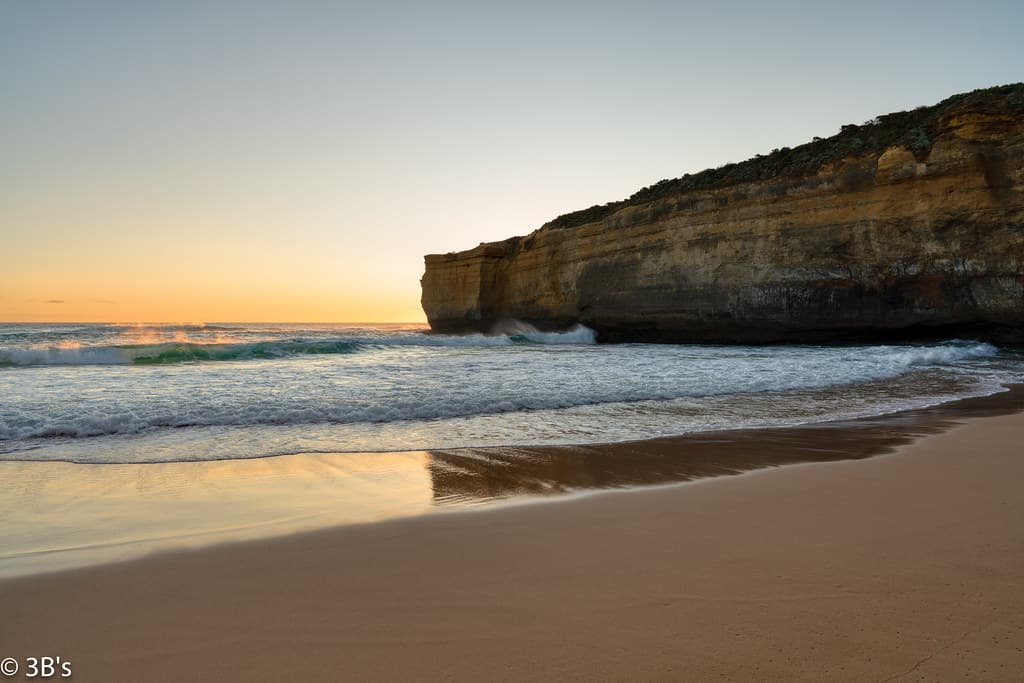
The beach itself lies mostly out of reach, a tawny ribbon strewn with kelp and driftwood accessible only by helicopter or hazardous descent. You're here for the panorama, not the sand. Walk the clifftop boardwalk from Gibson Steps to the main lookout, where interpretive signs explain how these apostles are merely teenagers in geological time—the soft limestone bluffs behind them will birth new stacks as centuries unspool.
 Credit: Unsplash
a beach with a cliff and water with Loch Ard Gorge in the background
 Credit: Unsplash
brown rock formation on sea shore during daytime
Orange light ignites eastern faces
Eighty-six stairs to beach level
Fifteen-minute aerial perspective tours
Where it is
The Twelve Apostles
Port Campbell, Victoria, Australia
-38.694100°, 143.105000°
Weather
Loading…
Swell
—
Temp
Warm · Restorative
UV Index
Moderate
Wind
—
Tidal State
Last known
Max Sunlight
—
Ideal Shade
—
Jan - Dec (Peak)
Mar - Nov (Off-season)
Historical data suggests peak visibility and stable sea temperatures occur during the prime visitation window.
Select a category to load nearby places.
Unlock restaurants, luxury stays and curated maritime experiences within 2km
Swimming at the Twelve Apostles is extremely dangerous and strongly discouraged. The beach experiences powerful rips, strong currents, and unpredictable waves that have proven fatal. The rocky coastline and limited beach access make it unsuitable for swimming. The area is primarily a viewing destination rather than a swimming beach. If you want to swim along the Great Ocean Road, safer options include nearby beaches like Apollo Bay or Lorne, which have patrolled areas during summer months. Always check local conditions and warning signs before entering any water.
The Twelve Apostles can be visited year-round, with each season offering unique experiences. Early morning and late afternoon provide the best lighting for photography, with stunning golden hues during sunrise and sunset. Summer (December-February) brings warmer weather but larger crowds. Winter (June-August) offers dramatic stormy skies and fewer tourists, though conditions can be cold and windy. Weekdays are generally quieter than weekends. Many photographers prefer the soft light just after dawn or before dusk when the limestone stacks glow against the ocean backdrop.
The Twelve Apostles are located along the Great Ocean Road, approximately 275 kilometers southwest of Melbourne (3.5-4 hours drive). From Port Campbell, it's just 10 minutes east. There's a large, free parking area at the official visitor site with ample spaces for cars, motorhomes, and tour buses. The main viewing platforms are wheelchair accessible via paved paths from the car park. No public transportation runs directly to the site, so most visitors drive themselves or join organized tours from Melbourne or nearby towns.
The Twelve Apostles Visitor Centre includes a café serving light meals, coffee, and snacks with spectacular ocean views. The nearest town, Port Campbell (7 kilometers away), offers several restaurants, cafés, bakeries, and grocery stores. Accommodation options range from budget motels and caravan parks to upscale lodges in Port Campbell and nearby villages like Princetown. For more dining and lodging variety, Warrnambool (65 kilometers east) provides additional choices. During peak season, booking accommodation well in advance is recommended as the area is popular with tourists.
Despite the name, there are currently eight visible limestone stacks standing at the Twelve Apostles site. There were never actually twelve formations; the name was a marketing decision. Natural erosion continues to shape the coastline—one stack collapsed in 2005, and another in 1990. The soft limestone erodes at roughly 2 centimeters per year, meaning these formations are constantly changing. Eventually, current stacks will collapse while new ones will form from the mainland cliffs, continuing the natural cycle that has shaped this dramatic coastline over millennia.
Photos