Counting the waves…
Counting the waves…

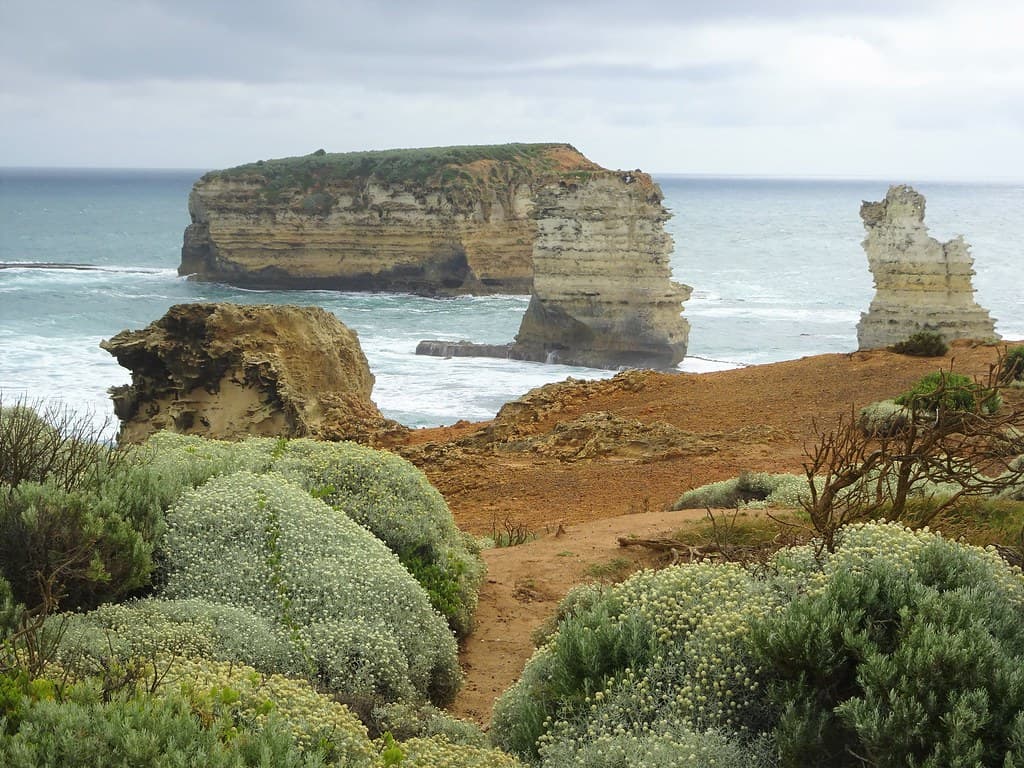
Stand at the timber viewing platform and count the stacks: depending on tide and light, you'll spot anywhere from eight to twelve limestone formations breaking the surface. The wind here carries a briny edge sharp enough to make your eyes water, and the boom of waves hitting hollowed arches reverberates through the boardwalk beneath your feet. This stretch of the Shipwreck Coast earned its name honestly—more than six hundred vessels foundered on these reefs between 1836 and 1932, their iron bones still visible at low tide. The islands themselves shift in character throughout the day. Morning fog clings to their bases, turning them into floating apparitions. By midday, the stratified sandstone reveals bands of ochre, rust, and cream—sediment laid down grain by grain over twenty million years. Late afternoon is when photographers elbow for position: the western sun ignites the cliff faces into something molten. You won't swim here—rip currents and submerged reef make the water treacherous—but the coastal walking track links this viewpoint to the Twelve Apostles, three kilometers east. Wear layers; the wind off the Antarctic has no patience for flimsy windbreakers. Between May and September, southern right whales calve in the bay, their breaching visible from shore.
Places, rentals, tours and events within walking and driving distance of Bay of Islands.
Photos
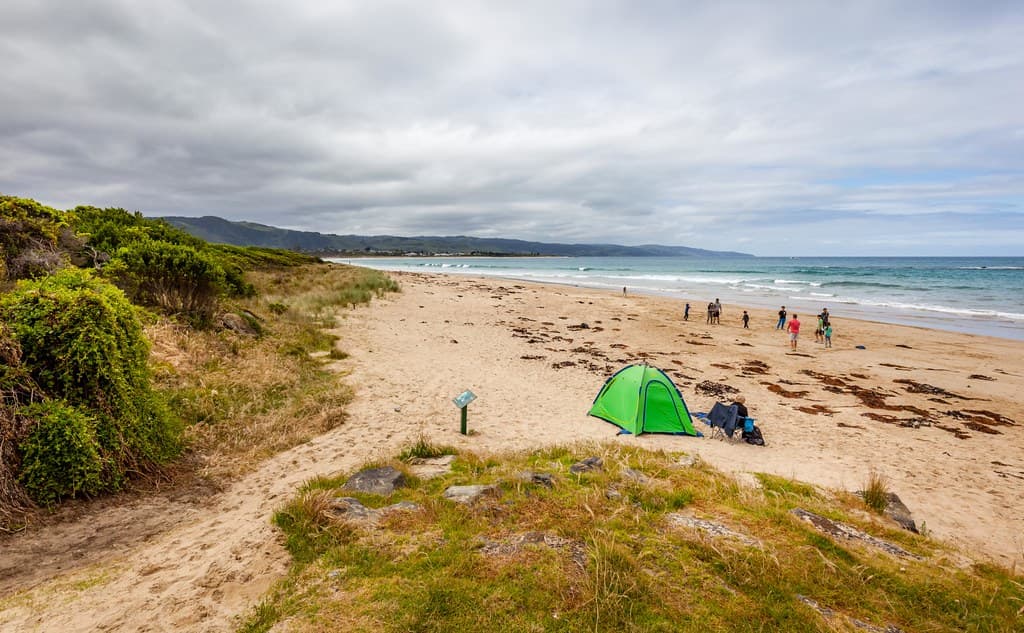
Swimming at Bay of Islands is not recommended and is generally considered dangerous. The beach faces the Southern Ocean with strong currents, unpredictable rips, and powerful waves. There are no lifeguard patrols, and the beach is primarily known for viewing the iconic limestone rock formations rather than swimming. The coastline is rugged and exposed, making water activities hazardous. Visitors should enjoy the spectacular scenery from the viewing platforms and beach, but stay out of the water for safety.
Bay of Islands can be visited year-round, with each season offering different experiences. Summer (December-February) brings warmer weather and longer days, ideal for photography, though it's the busiest period. Autumn and spring offer milder temperatures with fewer crowds. Winter (June-August) can be dramatic with stormy seas creating impressive wave displays against the rock stacks, though it's colder and windier. Early morning and late afternoon provide the best lighting for photography regardless of season.
Bay of Islands is located along the Great Ocean Road, approximately 10 minutes west of Port Campbell. If driving from Melbourne, it's about a 3.5-hour journey via the Great Ocean Road or inland route. There's a well-marked car park directly off the Great Ocean Road with ample free parking spaces. The site is easily accessible, with a short walk from the car park to viewing platforms. Most visitors include it as part of a Great Ocean Road itinerary alongside the Twelve Apostles.
Bay of Islands itself has no facilities, so plan accordingly. The nearby town of Port Campbell, just 10 minutes away, offers cafes, restaurants, general stores, and public toilets. Accommodation options in Port Campbell include motels, holiday parks, and bed-and-breakfasts. For more variety, Warrnambool (45 minutes east) has extensive dining and lodging choices. It's advisable to bring water and snacks, especially during peak times, and fuel up in larger towns as services along this coastal stretch are limited.
Bay of Islands features more numerous rock stacks and formations than the Twelve Apostles, spread across a wider bay area, yet attracts far fewer visitors. The formations are closer to shore, offering different photographic perspectives. The beach itself is more accessible for walking at low tide, allowing visitors to get closer to the limestone stacks. Many travellers find it less commercialized and more peaceful than the Twelve Apostles, making it excellent for those seeking a quieter coastal experience along the Great Ocean Road.