Counting the waves…
Counting the waves…
A refined fusion of water purity, environmental stability, and communal vibrancy for Little Beach.
View MethodologyAnalyzed via live sensors and environmental data.
Wave height, wind, and atmospheric stability.
Live footfall and crowd balance metrics.
Community reviews and curated sentiment.
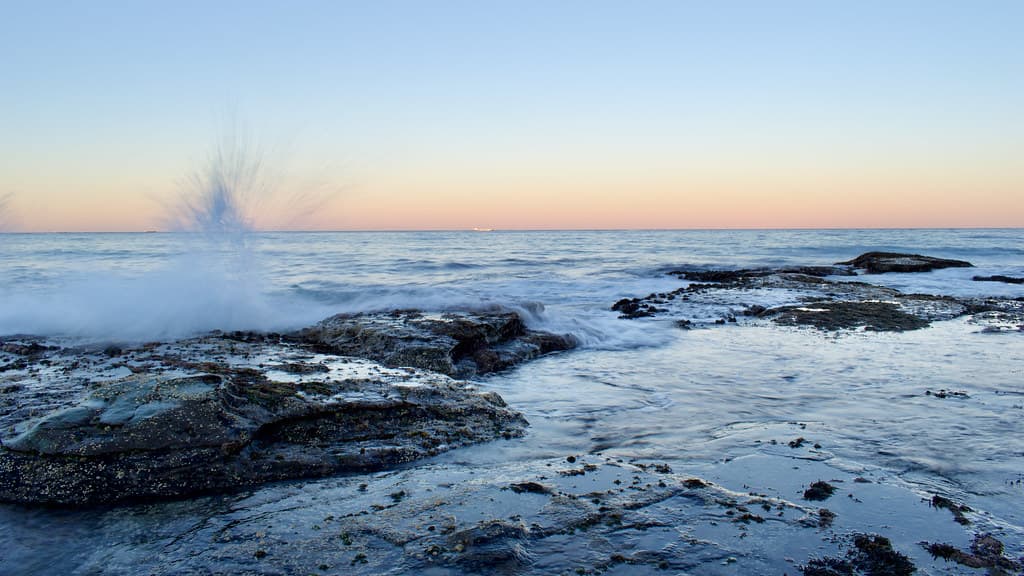
“You'll hear the lap of wavelets rather than the crash of surf at this tucked-away pocket of sand. Granite boulders frame the shoreline, gulls call overhead, and the water stays gentle enough for wading most days—no…”
Limited recent visitor reports — live OBI telemetry is your best guide for current conditions.
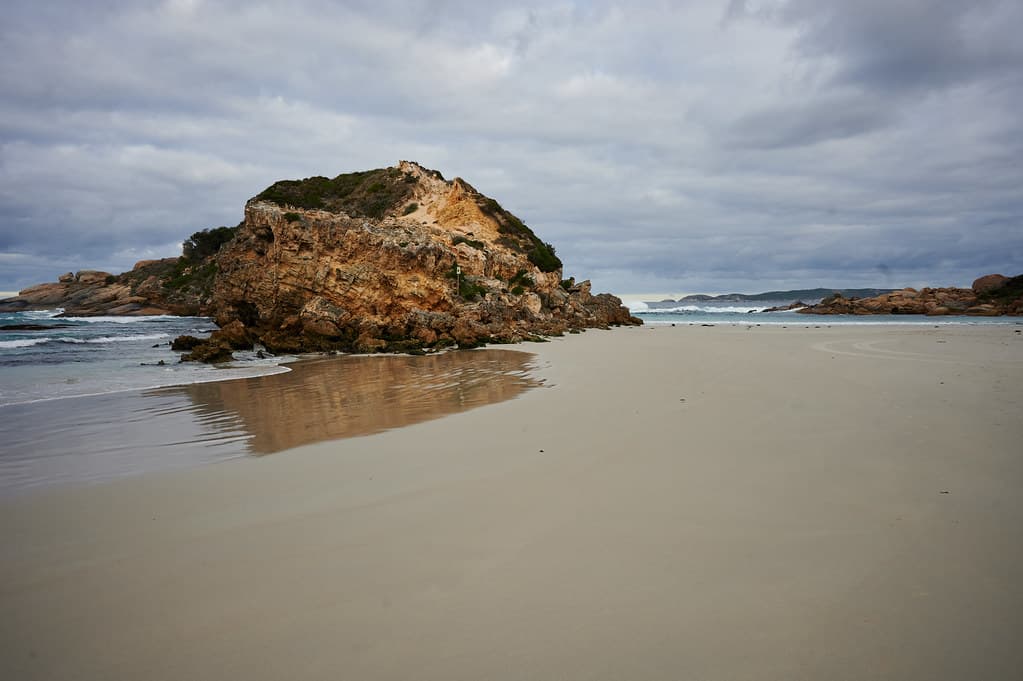
Follow the short track past banksias and coastal heath, and you'll emerge at a crescent of pale sand that rarely sees more than a handful of visitors. Little Beach sits in the lee of Albany's rugged headlands, where the Southern Ocean's fury softens to rhythmic swells that barely ripple the shallows. The water here runs cool and clear—typical for this stretch of coast—but the protection from offshore granite outcrops makes wading pleasant even when winds gust elsewhere.
Seaweed tangles at the high-tide mark, and small schools of silver fish dart through the shallows. Children wade without worry while parents claim smooth boulders for picnic blankets. The sand slopes gently, making entry easy for swimmers of all ages, and the quiet atmosphere attracts those who prefer solitude to surf culture.
 Credit: Unsplash
a view of a beach with a white sand and blue water
 Credit: Unsplash
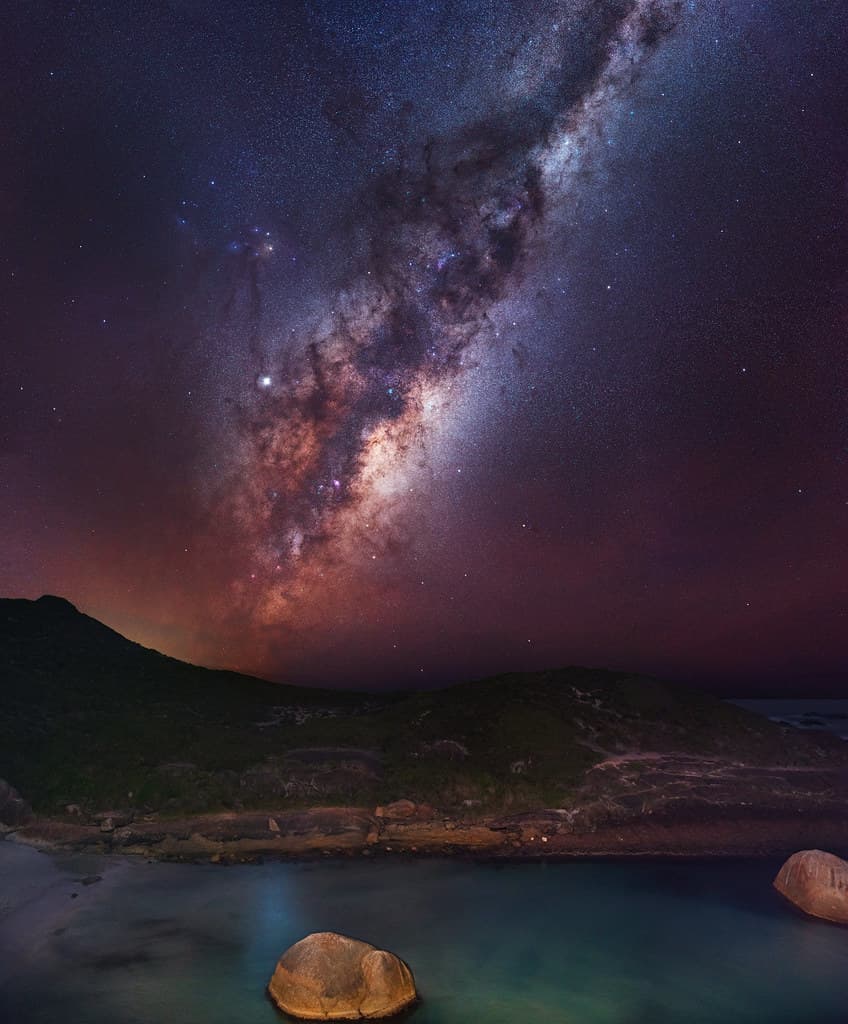
green trees near blue sea under blue sky during daytime
Gentle gradient, minimal swell
Boulders contrast with sand
Smooth rocks double as seating
Where it is
Little Beach
Albany, Western Australia, Australia
-35.010000°, 117.710500°
Weather
Loading…
Swell
—
Temp
Warm · Restorative
UV Index
Moderate
Wind
—
Tidal State
Last known
Max Sunlight
—
Ideal Shade
—
Jan - Dec (Peak)
Mar - Nov (Off-season)
Historical data suggests peak visibility and stable sea temperatures occur during the prime visitation window.
Select a category to load nearby places.
Unlock restaurants, luxury stays and curated maritime experiences within 2km
Little Beach is generally safe for swimming, though conditions vary with weather and seasons. The beach is relatively sheltered within King George Sound, making waters calmer than ocean-facing beaches. However, always check local conditions before entering the water. There are no lifeguard patrols, so swim at your own risk and stay within your abilities. Watch for submerged rocks near the shoreline. During winter months (June-August), water temperatures drop and conditions can be rougher. The beach is family-friendly, but supervise children closely as facilities are limited.
Little Beach can be enjoyed year-round, with each season offering different experiences. Summer (December-February) provides warm weather ideal for swimming and sunbathing, though it can get busier. Autumn and spring offer mild temperatures and fewer crowds, perfect for peaceful beach walks. Winter (June-August) brings cooler weather but dramatic coastal scenery and whale-watching opportunities offshore. Mornings generally offer calmer conditions and better light for photography. Weekdays are quieter than weekends. The beach's sheltered position makes it more pleasant than exposed beaches during windy conditions.
Little Beach is located approximately 20 minutes' drive from Albany's town center. Head south on Frenchman Bay Road, following signs toward Torndirrup National Park. Turn onto Little Beach Road and follow it to the beach access. There is a small parking area near the beach, which is unsealed and can accommodate limited vehicles. The parking is free but spaces fill quickly during peak times and summer holidays. From the car park, it's a short, easy walk to the beach. The road is suitable for standard vehicles, though drive carefully on unsealed sections.
Little Beach has minimal facilities, reflecting its quiet, natural character. There are basic toilet facilities in the car park area, but no cafes, kiosks, or restaurants at the beach itself. Visitors should bring their own food, drinks, and supplies. The nearest shops and dining options are in Albany township, about 20 minutes away. There's no accommodation directly at Little Beach, but Albany offers various hotels, motels, and holiday rentals. Pack everything you need for the day, including sun protection, as there's limited natural shade on the beach.
Little Beach stands out for its secluded, peaceful atmosphere compared to Albany's busier beaches. Its relatively hidden location means fewer crowds, making it ideal for those seeking solitude and relaxation. The beach offers beautiful scenery with clear waters and white sand, framed by coastal vegetation. Unlike nearby attractions like The Gap or Natural Bridge, Little Beach focuses on simple beach enjoyment rather than dramatic rock formations. It's particularly appreciated by locals and visitors who prefer a quiet, unspoiled beach experience away from tourist hotspots, perfect for meditation, reading, or gentle swimming.
Photos