Counting the waves…
Counting the waves…

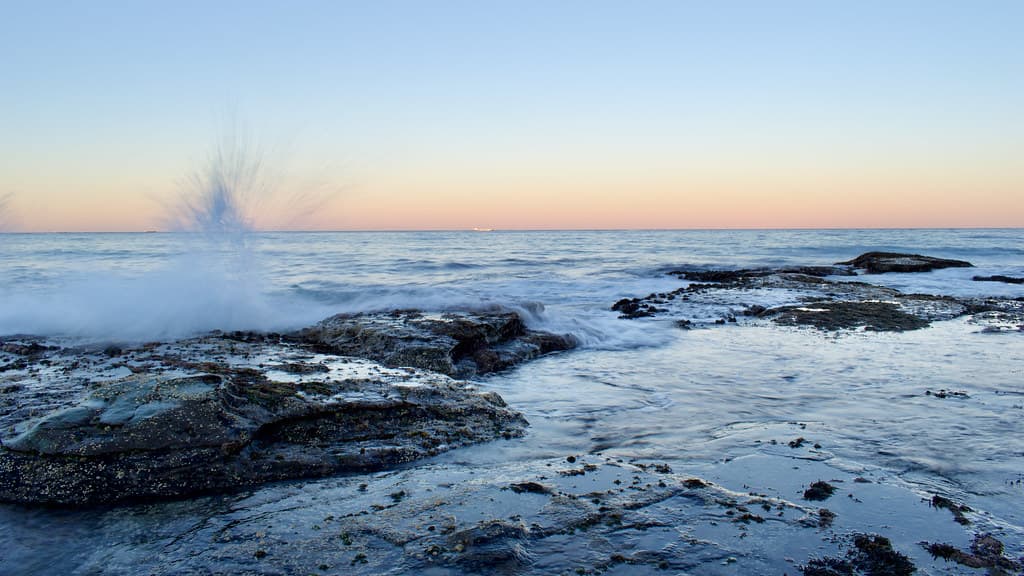
Nanarup Beach sits tucked behind a shoulder of ancient rock seventeen kilometers east of Albany, where the Great Southern Coast trades the drama of the Gap for something quieter. You'll follow Nanarup Road through low banksia scrub until the pavement ends at a small gravel lot. From there, a short footpath spills onto blonde sand framed by rounded granite that looks carved by centuries of patient tide. The water here is the color of Bombay Sapphire, shallow enough that children wade out fifty meters before it reaches their waist. Families claim the eastern end where boulders form natural windbreaks and tide pools trap schools of translucent fish. You'll notice the silence first—no surf roar, just the soft hiss of wavelets on sand and the occasional cry of gulls wheeling overhead. Mid-morning light turns the shallows fluorescent. Bring a picnic and plan to linger. The granite slabs at the western headland warm by noon, perfect for spreading a towel and cracking open a thermos. You'll watch the water change from jade to sapphire as clouds scud past, and when the wind picks up—and it will—those same boulders become your refuge. This is Albany's secret: not the postcard cliffs, but the small beaches locals guard quietly, the ones that feel like yours alone.
Places, rentals, tours and events within walking and driving distance of Nanarup Beach.
Photos
Nanarup Beach is generally calm and suitable for swimming, particularly in the sheltered eastern end near the boat ramp. However, conditions can vary depending on wind and swell. The beach is unpatrolled, so swim at your own risk and always supervise children closely. The relatively protected nature of the bay makes it safer than many exposed ocean beaches in the area, but check local conditions before entering the water. The shallow waters near shore are ideal for paddling with young families.
Nanarup Beach can be enjoyed year-round, though summer (December-February) offers the warmest weather for swimming and beach activities. Spring (September-November) brings wildflowers to the surrounding coastal areas and pleasant temperatures. Autumn and winter are quieter and ideal for beach walks, whale watching, and photography, though the water is cooler. The beach's sheltered position provides some protection from prevailing winds throughout the year, making it more comfortable than exposed beaches during windier months.
Nanarup Beach is located approximately 20 kilometres southeast of Albany's city centre. Drive along Frenchman Bay Road, which becomes Nanarup Road, following signs toward the beach. The drive takes around 20-25 minutes. There is a car park at the beach with ample space for vehicles and boat trailers, as the beach features a boat ramp. The access road is sealed, making it suitable for all vehicles. The parking area is free and provides easy access to the beach.
Nanarup Beach has basic facilities including toilets and a boat ramp, but no cafes, restaurants, or shops directly at the beach. Visitors should bring their own food, drinks, and beach supplies. The nearest amenities and dining options are in Albany, about 20 kilometres away. For accommodation, you'll need to stay in Albany, which offers hotels, motels, holiday parks, and vacation rentals. The beach's remote nature is part of its appeal, so come prepared for a self-sufficient visit.
Nanarup Beach and the surrounding Nanarup Nature Reserve offer excellent wildlife viewing opportunities. The area is known for birdwatching, with various coastal and bush birds frequenting the shoreline and heathland. Between June and October, migrating southern right whales and humpback whales can sometimes be spotted offshore. The rock pools and coastal waters support diverse marine life. The adjacent nature reserve features coastal vegetation and may offer sightings of native mammals and reptiles, making it popular with nature enthusiasts and photographers.