Counting the waves…
Counting the waves…

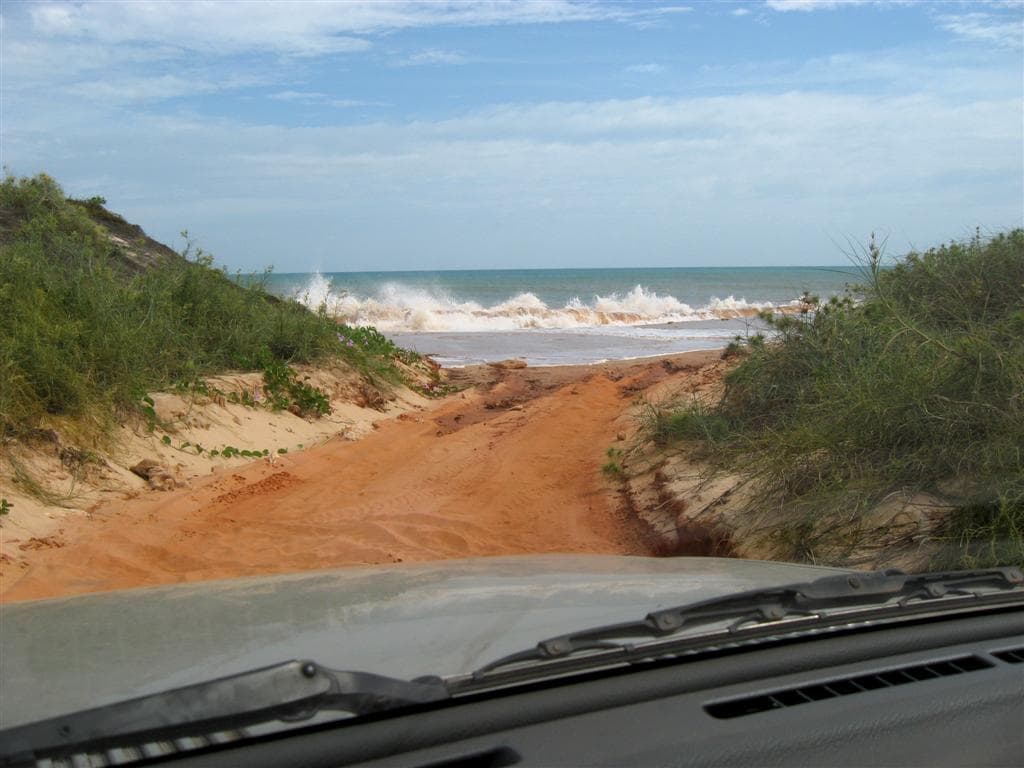
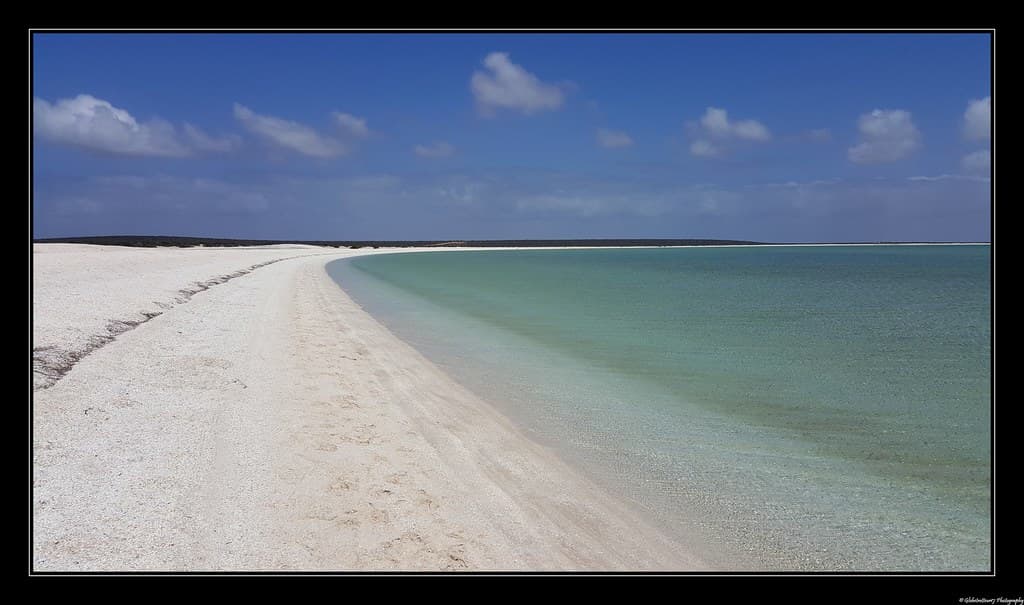
The beach reveals itself in stages, dictated entirely by the moon. At low tide, you can walk what feels like a kilometer across firm, damp sand ribbed with delicate corrugations, dodging tidal pools where small fish dart between stranded coral fragments. The water, when it returns, comes in fast—one of the highest tidal ranges in Australia means the shoreline transforms twice daily, shifting from vast exposed flats to lapping wavelets against the base of ancient sandstone cliffs streaked in iron oxide. Bardi Jawi custodians have walked this coast for more than 50,000 years, and their ongoing presence shapes how you experience it. This isn't a place for beach umbrellas or volleyball nets; it's a study in negative space, where the absence of development lets you notice smaller details—the way午afternoon light ignites the red cliffs, the salt-and-spinifex smell carried on offshore breezes, the satisfying crunch of shell grit underfoot. Come prepared for solitude. You might share the beach with a lone wader or a pair of sea eagles riding thermals above the headland, but little else. The emptiness isn't loneliness—it's permission to move at the pace of the tides, to let the Kimberley's immense quiet settle around you.
Places, rentals, tours and events within walking and driving distance of Bardi Jawi Beach.
Photos
Swimming conditions at beaches around Broome require caution year-round. The area experiences strong tidal currents, especially during spring tides, and marine stingers are present in warmer months (November to April). Saltwater crocodiles inhabit coastal waters in this region, making swimming potentially dangerous. Always check local warnings and signage before entering the water. Many visitors choose to enjoy the beach for walking, photography, and scenic appreciation rather than swimming. Consult with local authorities or your accommodation about current conditions and safer swimming alternatives in the Broome area.
Broome's dry season (May to October) offers the most comfortable conditions with sunny skies, low humidity, and temperatures around 25-30°C, making it ideal for beach visits. The wet season (November to April) brings high heat, humidity, and occasional cyclones, though crowds are thinner and accommodation costs lower. Shoulder months like April-May and September-October provide excellent weather with fewer tourists. Year-round access means you can visit anytime, but dry season offers the best combination of pleasant weather and safe conditions for exploring the coastline and enjoying sunsets.
Access to beaches in the Broome region typically requires a vehicle, preferably 4WD for remote coastal areas. Specific access routes depend on the exact location and may involve unsealed roads requiring careful navigation. Check locally about current road conditions, tide times, and whether permits are needed for certain areas. The Dampier Peninsula region north of Broome has various coastal access points, but some require permission from traditional owners. Contact the Broome Visitor Centre or your accommodation for detailed directions, parking information, and any access requirements before attempting to visit.
Remote beaches around Broome generally lack on-site facilities, so come fully prepared with water, food, sun protection, and emergency supplies. Broome town, approximately 20-40 minutes away depending on location, offers full amenities including supermarkets, restaurants, cafes, and fuel. Accommodation options range from luxury resorts to caravan parks in Broome itself. Some eco-lodges and remote camps exist on the Dampier Peninsula, offering closer access to secluded beaches. Always carry sufficient supplies as mobile phone coverage can be limited in remote coastal areas.
The beach's remote, peaceful setting offers couples a tranquil escape from busier tourist spots. The pristine natural environment, dramatic coastal scenery, and spectacular sunsets over the Indian Ocean create romantic backdrops for photography and quiet moments together. The sense of seclusion provides privacy often lacking at more accessible beaches. Its location in traditional Bardi Jawi country offers connection to ancient landscapes and Indigenous heritage. The beach serves as an ideal base for couples seeking nature-focused experiences, beachcombing, and appreciation of Western Australia's rugged northern coastline in relative solitude.