Counting the waves…
Counting the waves…

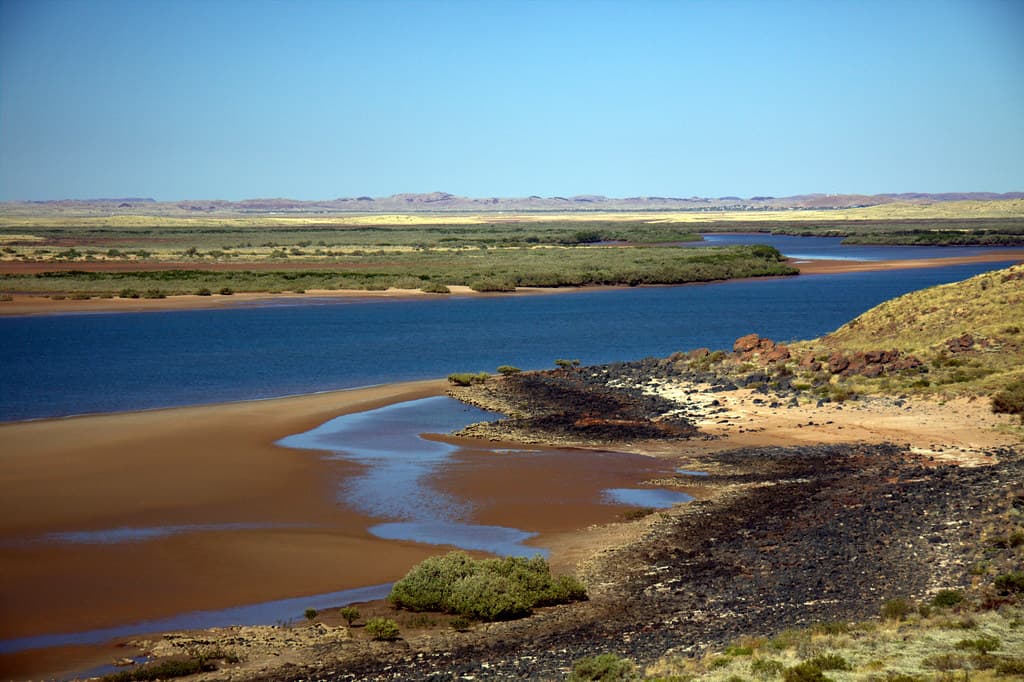
Point Samson Beach lies tucked along the Pilbara Coast like a secret the iron-ore towns forgot to mention. You'll park beneath scrawny she-oaks that offer dappled shade, then step onto sand so pale it glows against the surrounding ochre landscape. The water here sits glassy and protected, its palette shifting from mint-green shallows to cobalt where the reef begins—a palette borrowed from the tropics but edged with the Pilbara's signature burnt-sienna stone. Wade in and the seabed reveals itself in startling clarity: you'll spot blue swimmer crabs scuttling sideways, schools of bream flashing silver, and coral bommies encrusted with purple and gold. The water rarely climbs above your waist for thirty meters out, making this a rare Pilbara beach where toddlers can splash safely while you stand ankle-deep, cold drink in hand, watching container ships inch across the horizon toward Dampier. Stay past five o'clock and the headlands to your west ignite—the same iron-rich stone that built Australia's mining wealth now glowing like embers. Locals arrive with eskies and camp chairs, claiming their favorite boulders for the evening show. You'll leave with red dust on your rental car and the quiet satisfaction of having found a coast that doesn't need to shout about its beauty.
Places, rentals, tours and events within walking and driving distance of Point Samson Beach.
Photos
Point Samson Beach is generally safe for swimming, with calm, sheltered waters protected by offshore reefs. The beach is popular with families due to its gentle conditions. However, always check local conditions before entering the water, as marine stingers can be present during warmer months (November to May). It's advisable to wear protective clothing during this period. The beach has no patrolled swimming areas or lifeguards, so swim at your own risk and stay aware of tides and currents, particularly around rocky areas.
Point Samson Beach can be visited year-round, though the cooler dry season (May to October) offers the most comfortable conditions with temperatures around 20-30°C and minimal rainfall. This period is ideal for beach activities and exploring the Pilbara coast. The wet season (November to April) brings higher temperatures (30-40°C), humidity, and occasional tropical cyclones. Winter months provide pleasant beach weather without the extreme heat, making it perfect for families and those seeking a quieter, more relaxed coastal experience.
Point Samson Beach is located approximately 1,560 kilometres north of Perth and 40 kilometres north of Karratha via the North West Coastal Highway. From Karratha, take Balmoral Road and follow signs to Point Samson township. The beach is easily accessible with sealed roads leading directly to the area. Parking is available near the beach and is generally free and uncrowded. The small size of Point Samson means most beach access points and amenities are within easy walking distance of parking areas.
Point Samson is a small coastal settlement with limited but quality facilities. The town has a tavern and café offering meals and takeaway options, often featuring fresh local seafood. Basic supplies can be purchased locally, though Karratha (40 kilometres away) offers full supermarket services. Accommodation includes caravan parks and holiday homes, with more extensive hotel options available in Karratha. Public toilets and picnic facilities are available near the beach. The area maintains a quiet, laid-back atmosphere typical of remote Australian coastal towns.
Yes, Point Samson Beach showcases the distinctive red and ochre-coloured rocks characteristic of the Pilbara region. The contrast between the vibrant red rocks, white sand, and turquoise waters creates stunning photographic opportunities, particularly during sunrise and sunset. The rocky headlands and offshore formations around the beach provide excellent vantage points for viewing this unique landscape. Low tide is ideal for exploring rock pools among these formations. This geological feature makes Point Samson visually distinct from typical Australian beaches and highlights the region's ancient landscape.