

Counting the waves…
Counting the waves…

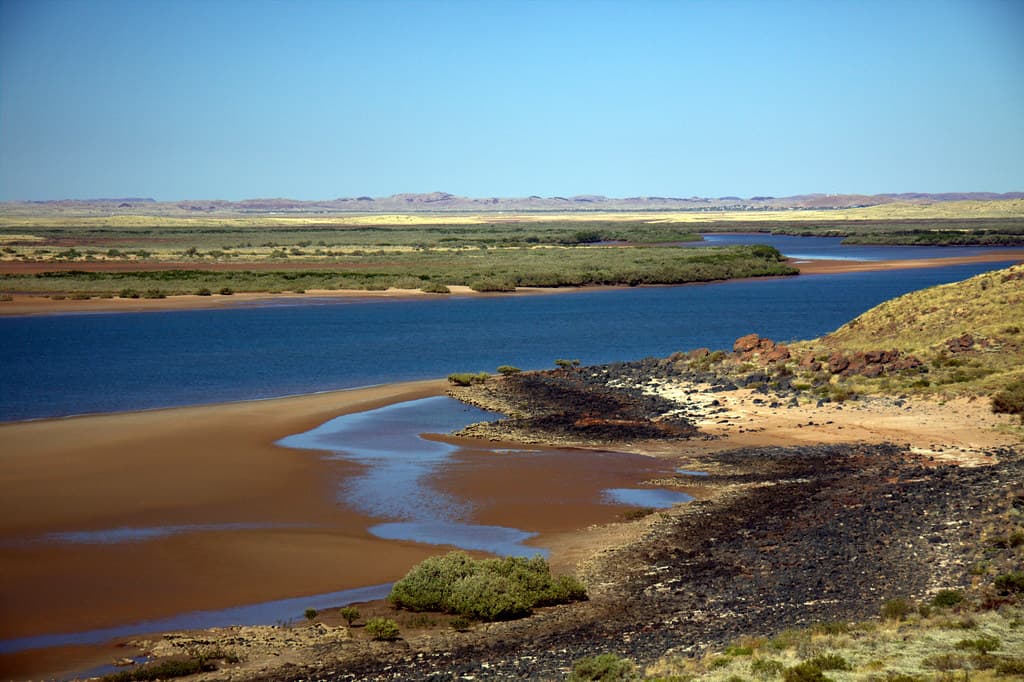
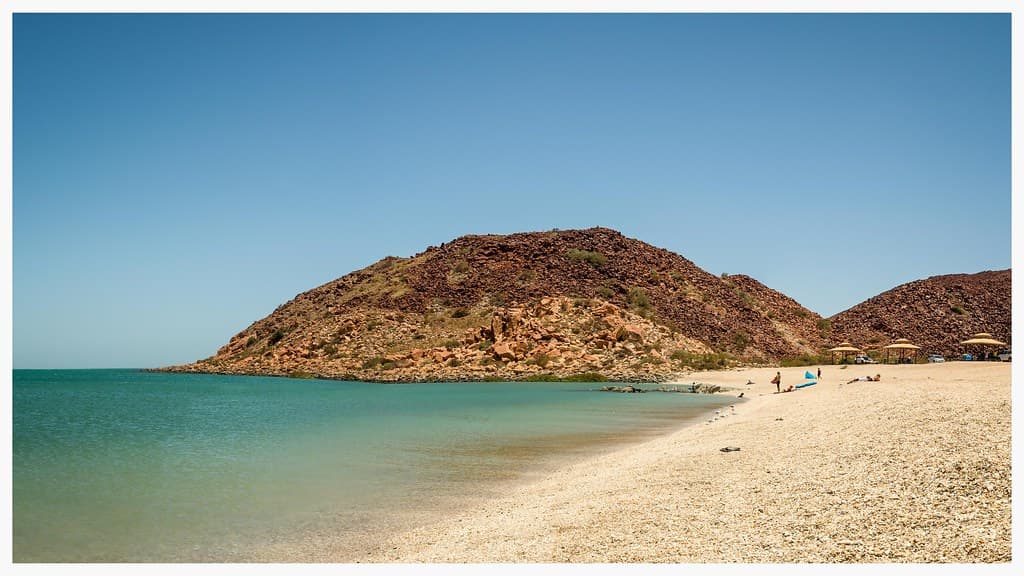
The Pilbara doesn't do beaches the way the rest of Australia does—no surf breaks or white-sand crescents here. Instead, Robe River Beach unfolds as a wide tidal platform where the water retreats twice daily to expose sandbars ribboned with tidal channels. The ochre escarpment rises behind you, its ancient rock formations catching the light at angles that shift from crimson to violet as the afternoon wears on. Families claim patches of shade beneath the scattered mangroves, their coolers planted in the sand while children chase small fish trapped in shallow pools. The swimming here requires patience and timing. High tide brings the sea close enough for proper immersion, though even then the water rarely climbs above your waist. Low tide transforms the beach into something closer to a wading ground, where you can walk outward until the shoreline becomes a smudge behind you. Locals know to check the tide tables before packing the car—the difference between swimmable and merely admirable shifts by the hour. What Robe River Beach lacks in drama it repays in reliability. The water stays calm regardless of weather, protected by offshore reefs that tame the Indian Ocean's temperament. You'll find better snorkeling elsewhere in Karratha, more dramatic vistas at nearby coves, but few spots offer this combination of accessibility and gentle predictability—a beach engineered, it seems, for unhurried afternoons and toddlers taking their first salt-water steps.
Places, rentals, tours and events within walking and driving distance of Robe River Beach.
Photos
Robe River Beach is generally calm and sheltered, making it suitable for swimming and paddling, especially for families with children. However, it's important to note that beaches in the Karratha region can experience strong tides and currents, particularly during seasonal changes. Always check local conditions before entering the water, supervise children closely, and be mindful of marine life common to tropical Western Australian waters. There are no lifeguard patrols, so swim at your own risk and stay within your comfort level.
Robe River Beach can be visited year-round, though the cooler dry season from May to October offers the most comfortable conditions with mild temperatures and lower humidity. During the wet season (November to April), temperatures soar and tropical storms are possible, though mornings can still be pleasant. Winter months provide ideal beach weather without extreme heat. Regardless of season, early mornings and late afternoons are recommended to avoid the intense midday sun typical of Australia's northwest region.
Robe River Beach is located approximately 10 kilometers from Karratha's town center. You'll need a vehicle to access the beach, as public transport options are limited in this region. Follow Dampier Road and turn onto Robe River Road, following signs toward the beach area. Parking is typically available near the beach access points, though facilities may be basic. The roads are generally suitable for standard vehicles, but always check local conditions, especially during the wet season when some areas may be affected.
Robe River Beach has limited on-site amenities, so it's essential to come prepared. There are basic facilities, but no food vendors or cafes directly at the beach. Visitors should bring their own food, drinks, and beach equipment. For supplies, restaurants, and accommodations, you'll need to return to Karratha town center, about 10 kilometers away, where you'll find supermarkets, takeaway options, hotels, and caravan parks. Pack plenty of water, sunscreen, and shade as the tropical sun can be intense.
Robe River Beach and its surrounding areas offer opportunities to spot diverse Western Australian wildlife. The tidal flats and mangroves nearby attract various bird species, making it appealing for birdwatchers. Depending on the season, you might observe migratory shorebirds and local waterbirds. Marine life is also present in the waters, so keep watch while swimming. The region is part of the Pilbara coast ecosystem, which supports unique flora and fauna adapted to the tropical climate. Early morning visits often provide the best wildlife viewing opportunities.