Counting the waves…
Counting the waves…

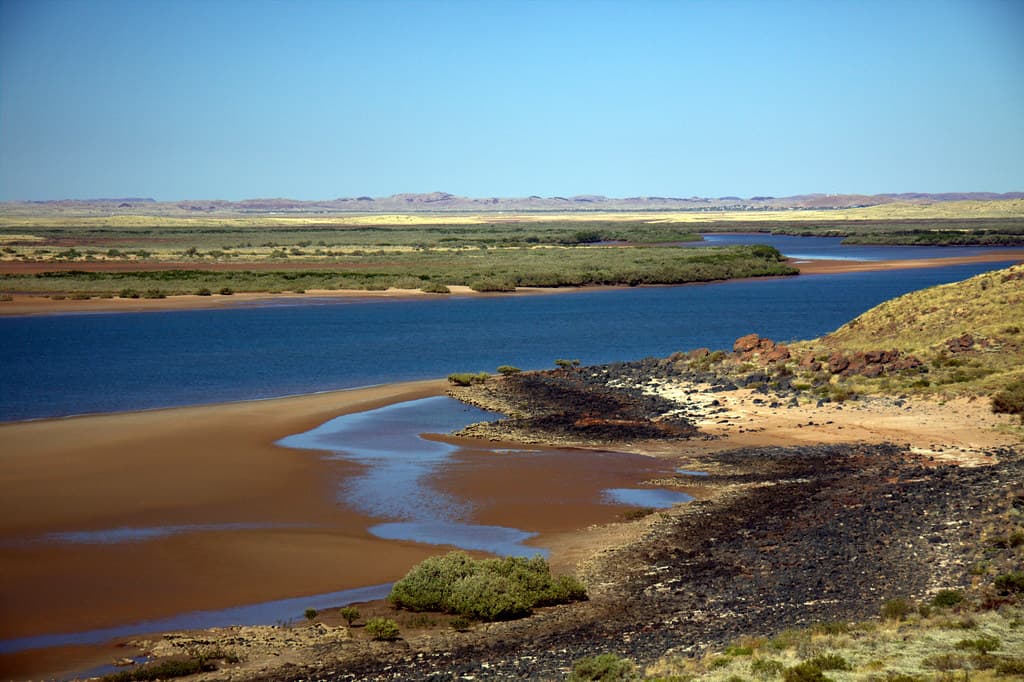
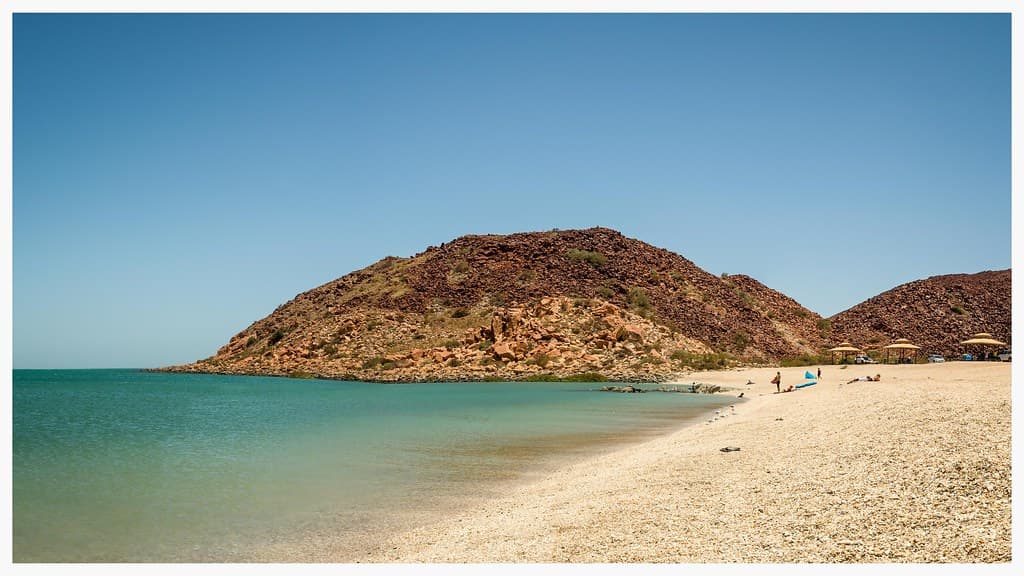
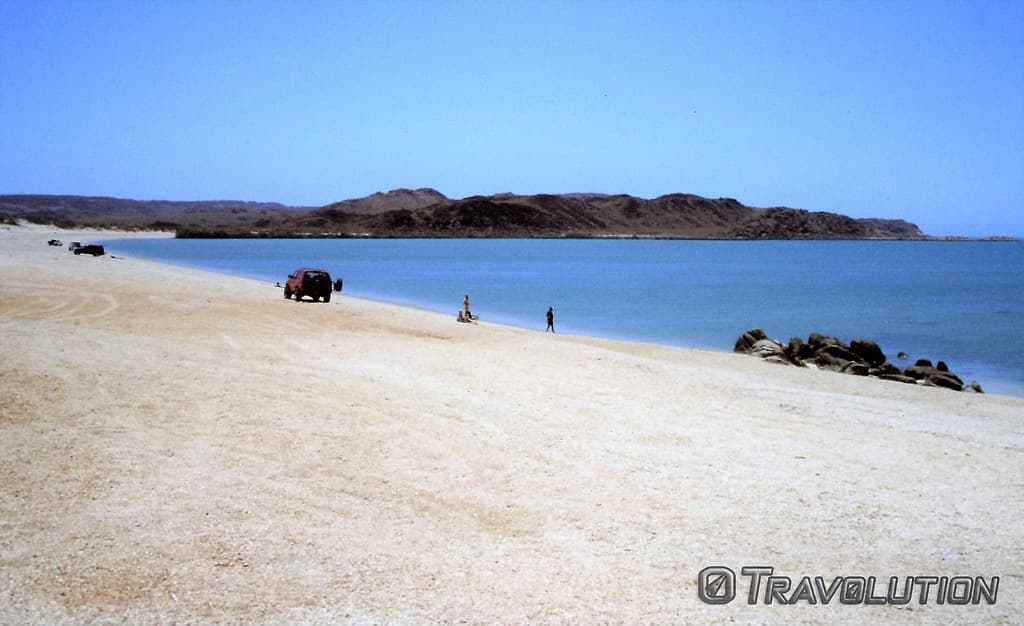
The road into Dampier Beach cuts through country where iron ore and salt dominate the skyline, but the moment you park and step onto the sand, industry fades into irrelevance. The beach curves gently between headlands of ancient rock stained the color of terracotta, their warmth radiating even in winter. Mangroves fringe the northern end, their roots dark against pale sand, while shallow water extends far enough that children can wade waist-deep thirty meters out. Low tide transforms the bay into a geography lesson, exposing sandbanks and tidal pools where small fish dart between rocks. You'll share the beach with pelicans and the occasional local who knows to arrive before the afternoon heat peaks. The water holds the kind of stillness rare on exposed coasts—no dumping waves, just a gentle rhythm that barely disturbs the sediment. Pack shade and plenty of water; the Pilbara doesn't do temperate. The few trees offer scant relief, and the nearest shops sit back in Karratha proper. But that isolation is the point. Settle into the quiet broken only by birdcalls and the occasional splash of a jumping fish, and you'll understand why families return here weekend after weekend, claiming the same patch of sand as if it were theirs alone.
Places, rentals, tours and events within walking and driving distance of Dampier Beach.
Photos
Dampier Beach is generally calm with gentle waters, making it suitable for swimming, though conditions vary with tides and seasons. The beach is sheltered, reducing wave action compared to exposed coastlines. However, as with any remote beach in tropical Western Australia, swimmers should be aware of marine stingers during warmer months (November-May) and consider wearing protective clothing. There are no lifeguards on duty, so swim at your own risk and check local conditions before entering the water. Avoid swimming alone and stay within your depth.
Dampier Beach can be visited year-round, though the cooler dry season (May-September) offers the most comfortable conditions with temperatures around 20-30°C and minimal rainfall. This period is ideal for beach activities without extreme heat. The wet season (December-March) brings higher temperatures exceeding 35°C, humidity, and occasional cyclones, though the beach remains accessible. Winter months provide pleasant weather for families and beachgoers. Early mornings and late afternoons offer the best light for photography and cooler temperatures during summer months.
Dampier Beach is located in the Dampier townsite, approximately 20 kilometres northwest of Karratha in the Pilbara region. Access the beach via the Dampier town centre by following signposted roads. Free parking is available near the beach area. The drive from Karratha takes about 20 minutes along sealed roads. If flying in, Karratha Airport is the nearest major airport, approximately 15 kilometres from Dampier. A rental car or taxi is recommended as public transport options are limited in this remote region.
Dampier is a small service town with limited dining options, including a few takeaway outlets, a pub, and basic café facilities. For wider restaurant choices, Karratha (20km away) offers supermarkets, restaurants, and cafes. Accommodation in Dampier includes caravan parks and workers' accommodation, while Karratha provides more options including hotels, motels, and serviced apartments. It's advisable to bring supplies, especially for beach picnics, as on-site amenities at the beach itself are minimal. Plan ahead and stock up before heading to the beach.
While Dampier Beach itself is known for its peaceful coastal setting, the broader Dampier Archipelago area is famous for its ancient Aboriginal rock art, considered one of the world's largest concentrations. The distinctive red Pilbara landscape and ancient petroglyphs are found at nearby sites on the Burrup Peninsula. Visitors can explore this unique cultural and geological heritage through designated walking trails and viewing areas. The combination of coastal scenery and ancient rock formations makes this region particularly special, though specific rock art sites have access restrictions to protect their significance.