Counting the waves…
Counting the waves…

The limestone shelf at Mettam's Pool rises from the seabed in tiers, creating natural swim lanes and sheltered pockets where the ocean's surge dissipates into gentle ripples. You'll notice families standing waist-deep, pointing at stingrays that coast over the pale rock like shadows, while children crouch in tide pools cataloging sea stars. The reef runs parallel to shore for nearly 200 meters, close enough that you can walk out in beach shoes and drop into water that hovers around 20°C even in winter. Snorkeling here means drifting over gardens of brown kelp and purple coralline algae, your mask just centimeters from humphead wrasse and old wives that ignore your presence. The pool's configuration traps fish during tidal shifts, so you're guaranteed sightings: blue gropers, western king wrasses, leatherjackets picking at encrusted rock. On weekends, the grassy foreshore fills with picnic blankets and wetsuit-clad toddlers, but the reef's expanse absorbs the crowds. The absence of surf makes this a year-round proposition. Summer brings warmer water and longer days for evening snorkel sessions; winter offers clearer visibility as storm surge settles offshore. You'll leave with salt drying on your forearms and the memory of a stingray's wing tips curling as it buried itself in sand, all within a fifteen-minute drive of Perth's city center.
Places, rentals, tours and events within walking and driving distance of Mettam's Pool.
Photos
Mettam's Pool is generally very safe for swimming and snorkeling due to its protected reef structure that creates calm, shallow waters. The natural limestone reef acts as a barrier against waves and currents, making it ideal for families with children and beginner snorkelers. Water depth is typically shallow (1-2 meters), with good visibility most days. However, always check local conditions, as strong winds can affect water clarity. The rocky reef bottom requires reef shoes to protect feet from sharp surfaces and sea urchins.
Mettam's Pool is excellent year-round, though each season offers different experiences. Summer (December-February) provides warmest water temperatures (22-24°C) and is perfect for extended snorkeling sessions. Winter months (June-August) have cooler water (18-20°C) but often clearer visibility and calmer conditions. Early morning visits typically offer the best water clarity and marine life viewing, regardless of season. Weekdays are less crowded than weekends. Avoid visiting during strong westerly winds, which can reduce visibility and create choppy surface conditions.
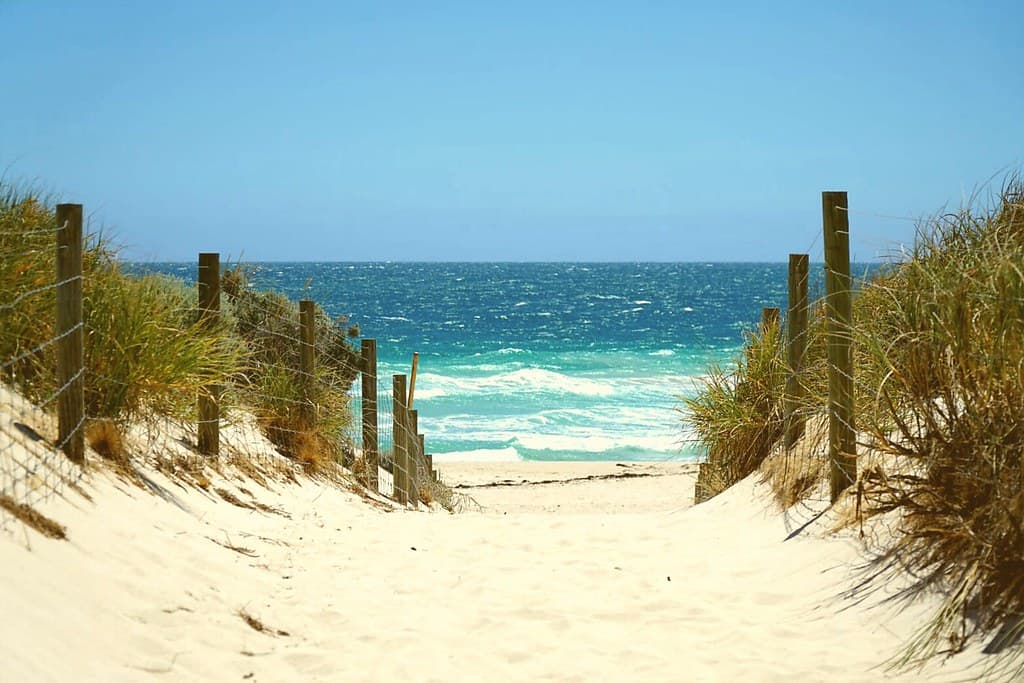
Mettam's Pool is located in North Beach, approximately 20 kilometers north of Perth CBD along West Coast Highway. By car, take the highway north and turn onto Mettam Street. Limited street parking is available on Mettam Street and nearby residential streets, though it can fill quickly on weekends and holidays. Public transport is possible via Transperth buses to North Beach, followed by a short walk. The beach access involves stairs down to the shore, so consider mobility requirements when planning your visit.
Mettam's Pool has minimal on-site facilities—no cafes, kiosks, or restaurants directly at the beach. There are basic toilets and an outdoor shower for rinsing off. The nearby suburb of North Beach (within 1-2 kilometers) offers several cafes, restaurants, and convenience stores along Charles Street and Flinders Avenue. It's advisable to bring your own food, water, and snorkeling equipment. For accommodation, North Beach and neighboring Scarborough offer various hotels, apartments, and holiday rentals within a short drive of Mettam's Pool.
Mettam's Pool's limestone reef ecosystem supports diverse marine life typical of Perth's coastline. Snorkelers commonly spot colorful reef fish including wrasse, sweep, and goatfish. Look for blue manna crabs, sea urchins, and small octopuses hiding in reef crevices. During certain seasons, cuttlefish gather for breeding. The rocky platforms host anemones and various seaweeds. While larger species like dolphins occasionally pass through, most encounters involve smaller reef inhabitants. The protected nature of the pool creates an accessible introduction to Western Australia's marine biodiversity without venturing into deep water.