Counting the waves…
Counting the waves…
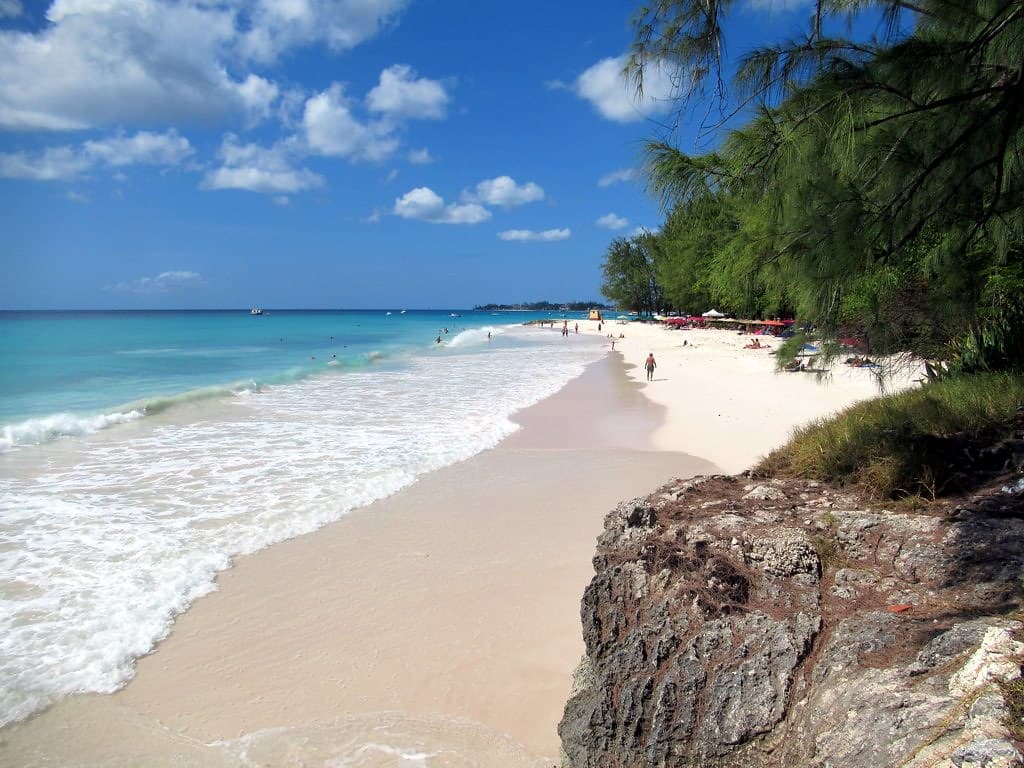
The beach faces southeast, catching both Caribbean calm and Atlantic energy depending on wind and season. You'll notice the width first—at low tide, the sand stretches fifty yards from dune line to waterline, a canvas of beige and gold marked only by debris lines left by overnight tides. Sea oats and railroad vines anchor the dunes, their roots holding sand that shifts and rebuilds with each storm. The vegetation creates natural fences between beach and inland, offering privacy without grooming or gates. Mornings bring serious walkers and joggers, their figures small against the expanse, followed by kitesurfers rigging equipment when the wind builds mid-morning. The water transitions from ankle-deep shallows to overhead depth gradually—you can wade out twenty yards before needing to swim. Waves break gently on calm days, but this coastline catches south swells that produce rideable surf when conditions align. Few venture into the water compared to the number walking the waterline; the appeal here is space and solitude rather than swimming convenience. A single beach bar operates near the western access point, but walk five minutes in either direction and you'll lose sight of umbrellas and music. The eastern stretches remain largely empty even on weekends—too far from major resorts, too unstructured for tour groups. Locals favor this beach for exactly those reasons, claiming the same sections weekend after weekend, their cars parked in the sandy pulloffs that mark unofficial access points known only through repetition.
Places, rentals, tours and events within walking and driving distance of Long Beach.
Photos
Long Beach offers generally safe swimming conditions, though it tends to be less protected than some nearby south coast beaches. Waves can be slightly stronger here, particularly during certain times of year or weather conditions. The beach has fewer lifeguards compared to more developed beaches, so swimmers should exercise caution and assess conditions before entering the water. The more secluded nature means fewer people around in case of emergency. Families with young children should stay in shallow areas and maintain close supervision at all times.
Long Beach is naturally quieter than neighboring beaches year-round, making it ideal for those seeking solitude. The wet season from June to November offers the fewest crowds, though occasional rain showers are possible. Weekdays are significantly quieter than weekends when some local families visit. Early mornings and late afternoons provide the most peaceful experience. The beach is less developed and less promoted to tourists, so even during peak tourist season (December to April), it remains relatively uncrowded compared to Accra or Rockley beaches.
Long Beach is located on the south coast of Barbados in Christ Church parish. Access can be less straightforward than more popular beaches due to its secluded nature. If driving, follow Highway 7 along the south coast; parking may be informal and limited. Taxis from Bridgetown can bring you there, but arrange return pickup as taxis don't frequently patrol this quieter area. Public buses serve the general area along the main road, but you may need to walk to reach the beach. Check locally for the best access points.
Long Beach has fewer immediate amenities compared to more developed beaches in the area. Restaurants and bars are not abundant directly on the beach, though some options exist within walking or short driving distance along the south coast. Accommodation tends to be more spread out, with guesthouses and vacation rentals rather than large resorts. Visitors should consider bringing their own refreshments, especially for longer stays. Nearby areas like Oistins (famous for its fish fry) and Rockley offer more dining choices within a short drive.
Long Beach offers a more authentic, undeveloped Caribbean beach experience that has become rare on Barbados' south coast. The absence of large resorts, beach vendors, and water sports operators creates a genuinely peaceful atmosphere. Beautiful natural surroundings remain largely unspoiled, appealing to those who prefer nature over amenities. The beach attracts fewer tourists, allowing for quiet reflection, peaceful walks, and a sense of discovery. This seclusion makes it perfect for visitors tired of crowded beaches or seeking a more intimate connection with Barbados' natural beauty.