Counting the waves…
Counting the waves…
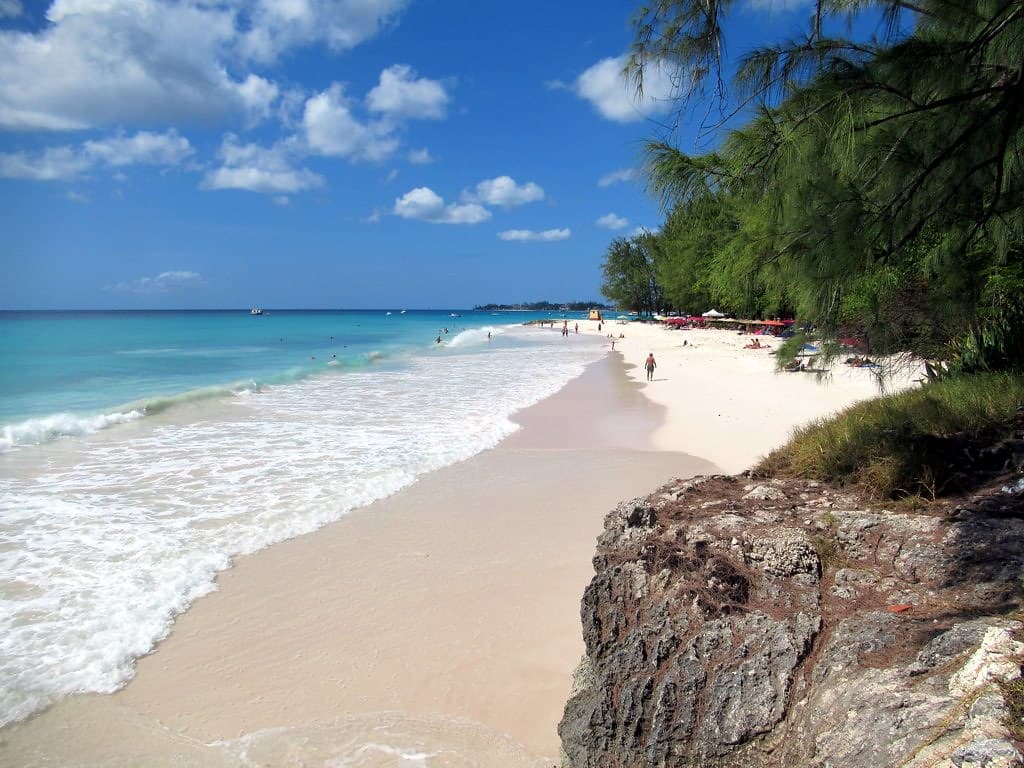
The wind announces itself before you reach the sand, pushing against your approach and carrying the roar of surf. Inch Marlow faces the open Atlantic with no reef or offshore protection, meaning waves arrive in their full expression—powerful, shifty, and demanding respect. The beach itself runs wide at low tide, revealing dark volcanic sand mixed with lighter coral fragments, all of it textured by wind ripples that mirror the ocean's surface. Surfers dot the lineup when conditions align, paddling out through channels that require reading the sets and timing the lulls. Between waves, the constant breeze creates whitecaps beyond the break and sends spray flying off the crests. Onshore, that same wind makes umbrellas useless and sends lighter beach items tumbling unless weighted down. The vegetation line sits well back from the high-tide mark, stunted sea grape and button mangrove bent permanently landward. This is not a beach for languid sunbathing or calm swimming. It's a place that reminds you of ocean power, where the elements remain in charge and human presence feels temporary. Locals know to check the conditions before committing; on big swell days, even experienced watermen stay ashore and watch the sets thunder in. But when the wind drops to manageable and the swell hits that sweet spot, Inch Marlow delivers the kind of raw coastal experience increasingly rare on developed islands.
Places, rentals, tours and events within walking and driving distance of Inch Marlow Beach.
Photos
Inch Marlow Beach is a wind-exposed surf beach, which means swimming conditions can be challenging with waves, currents, and winds creating rougher water. It's more suitable for experienced swimmers and surfers rather than families with young children or novice swimmers. The remote nature means limited lifeguard presence and facilities. Always assess ocean conditions before entering, be cautious of undertows and rip currents, and never swim alone. Strong swimmers and surfers will find the conditions exhilarating, while others should exercise caution.
Visit during the dry season from December to April for the best weather, though this is also when trade winds are strongest—ideal for surfers seeking waves. The beach is recommended for less crowded, budget travel experiences, so shoulder seasons or weekdays offer even more solitude. Early morning visits provide stunning light for the scenic coastline photography. Surfers should check swell forecasts, as conditions vary throughout the year. The wind-exposed nature makes it particularly appealing for those who enjoy dramatic coastal scenery.
Inch Marlow Beach is located on the southeast coast of Barbados in Christ Church parish. Access is via the coastal road from Bridgetown or the airport area. A rental car is recommended given the beach's more remote location. Follow signs toward Inch Marlow or Long Beach areas. Roads may be narrow and parking limited, so plan accordingly. Local buses run along main coastal routes but may require walking to reach the beach. The scenic drive along the coast is part of the experience.
Inch Marlow Beach is relatively remote with limited on-site facilities, so visitors should bring their own food, drinks, and beach supplies. Nearby towns like Oistins and areas toward Maxwell offer restaurants, cafes, and local food vendors within a short drive. Accommodation options include guesthouses and hotels in surrounding areas rather than directly beachfront. The budget travel designation means this beach suits those comfortable with fewer amenities and willing to be self-sufficient. Plan ahead for meals and refreshments.
Inch Marlow Beach faces the Atlantic Ocean on Barbados' southeast coast, where trade winds blow consistently across open water before reaching shore. This creates constant breezes and often choppy surf conditions, distinguishing it from more sheltered Caribbean-side beaches. The wind exposure makes it popular with surfers and windsurfers seeking waves and wind-driven conditions. While this creates dramatic scenic beauty with white-capped waves and dynamic coastal views, it also means less calm swimming and potentially cooler temperatures from the breeze.