

Counting the waves…
Counting the waves…
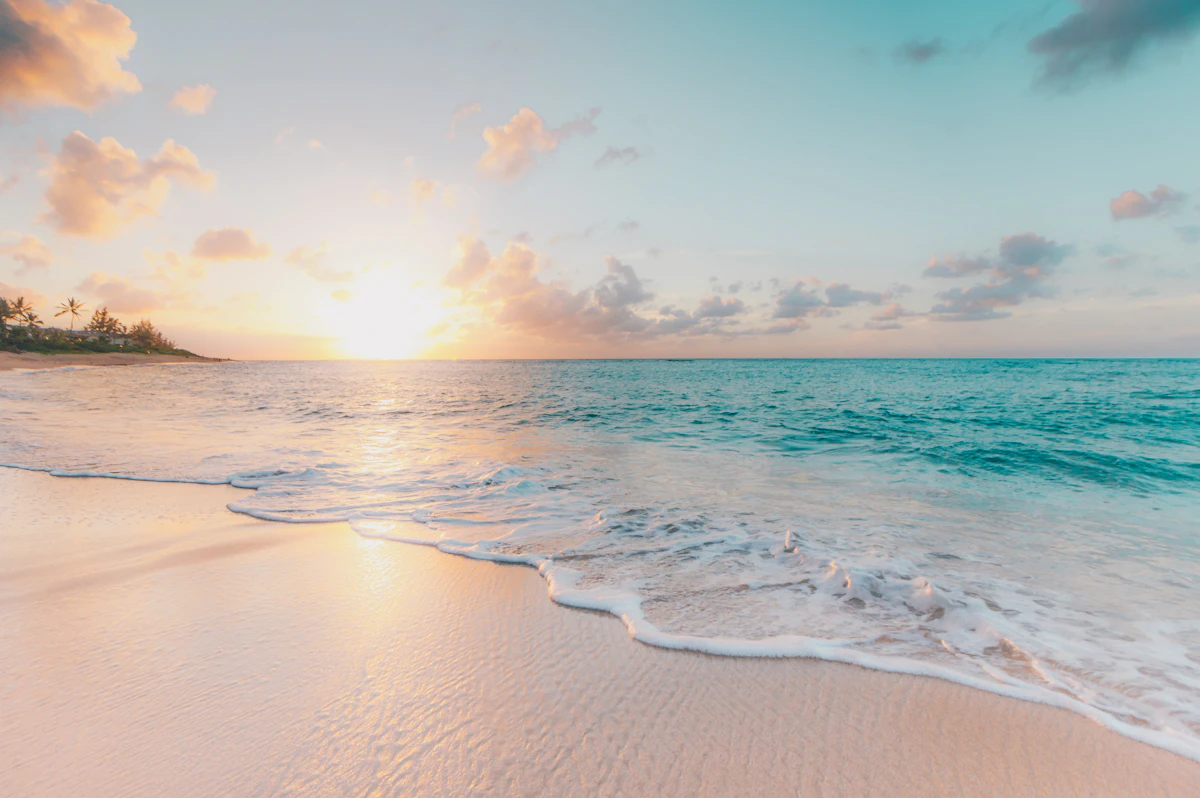
The Tapajós River doesn't behave like an ocean. Its waters shift from jade to amber depending on the season, and the beach itself materializes and vanishes with the river's moods. You'll sink your toes into sand so fine it squeaks, watching wooden boats painted turquoise and crimson bob where the current slows. Local children somersault from the low branches of submerged trees while pink river dolphins surface in the deeper channels beyond the sandbars. As afternoon light softens, you'll join residents and travelers on the shore, everyone angled westward. The sunset here doesn't just paint the sky—it transforms the river into molten copper, silhouetting the forested humps of islands in the middle distance. Vendors thread through the gathering crowd selling grilled tambaqui and frozen açaí. When darkness arrives, the beach empties except for a few couples walking the waterline and the glow of restaurant lanterns from the village behind you. The river continues its patient work, depositing sand grain by grain, building tomorrow's beach while erasing today's footprints. You'll hear the water lapping and the occasional outboard motor puttering home.
Places, rentals, tours and events within walking and driving distance of Praia de Alter do Chão.
Photos
Praia de Alter do Chão is generally safe for swimming, with its clear, calm waters making it suitable for most visitors. The beach features white sand and a gradual entry into the water, which is comfortable for swimmers of varying abilities. The Tapajós River creates a natural lagoon environment with minimal currents in most areas. However, conditions can change with river levels and seasons, so always observe local conditions before entering. During peak season, the presence of other visitors and occasional lifeguards adds to safety. Children should always be supervised, and it's best to swim during daylight hours.
To experience fewer crowds at Praia de Alter do Chão, visit during the shoulder months of May, June, or November. The peak tourist season typically runs from July to October during the dry season when the white sand beaches are most exposed and weather is optimal. September especially draws large crowds for the annual Çairé festival. The wet season from December to April sees fewer visitors but higher water levels that can submerge portions of the beach. Weekdays are consistently quieter than weekends throughout the year. Early mornings offer the most peaceful experience regardless of season.
Alter do Chão is located approximately 30-35 kilometers west of Santarém, making it an easy trip. Regular bus services operate between Santarém and Alter do Chão throughout the day, with the journey taking about 45 minutes to an hour depending on traffic. Buses depart from Santarém's main bus terminal and drop passengers in Alter do Chão village, from where the beach is a short walk. Taxis and ride-sharing services are also available for a faster, more direct trip. Many visitors rent cars for flexibility. The road is paved and well-maintained, making the journey straightforward.
Alter do Chão offers a good range of restaurants, from beachfront cafés to sit-down establishments serving regional Amazonian cuisine, fresh fish, and international dishes. You'll find options for various budgets, including street food vendors selling tapioca, açaí, and grilled seafood. Accommodation ranges from budget pousadas to boutique hotels and eco-lodges, many within walking distance of the beach. The village has grown to accommodate tourism while maintaining its charm. Booking ahead is essential during high season, especially July through September. Many establishments accept cards, but carrying cash is advisable for smaller vendors and services.
Praia de Alter do Chão has earned international recognition for its spectacular sunsets over the Tapajós River. The beach's westward orientation provides unobstructed views of the sun descending over the water, creating vivid displays of orange, pink, and purple reflected on the river's surface. The white sand beaches and clear waters enhance the visual effect, while the unique landscape of river islands and forested shores provides a dramatic backdrop. The combination of the river's expanse, atmospheric conditions, and the region's natural beauty creates consistently stunning sunset views. Many visitors time their beach visits specifically for this daily spectacle, which is best viewed from the main beach area.