Counting the waves…
Counting the waves…
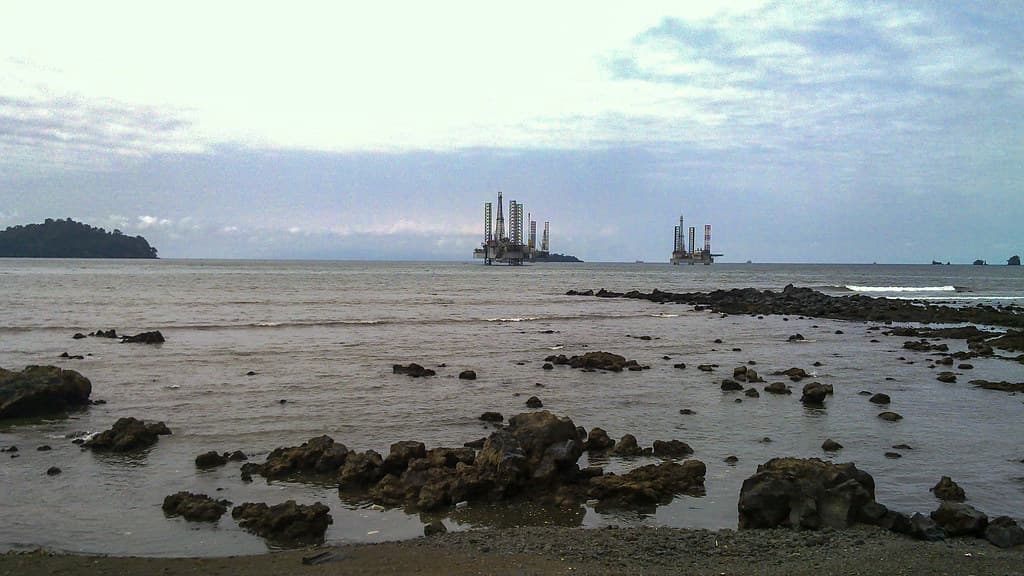
The descent to Bimbia Beach passes through forest that wasn't here when this shore served darker purposes. Trees now grow through the foundations of Bimbia's slave depot, roots cracking apart stone cells where captured Africans awaited transport to the Americas. You emerge from green shadows onto sand that feels heavier with history—not metaphorically, but in the way silence sits here, even when wind moves through the palms. The Atlantic arrives gently at Bimbia, waves folding onto volcanic sand in rhythmic whispers. Offshore, the rock formations that once helped identify this coast to slave ships now host cormorants and terns. You walk the tideline finding smoothed glass and water-polished stones, detritus of centuries mixing beneath your feet. A local guide—descendant of those who survived—points out details you'd otherwise miss: the cut in the bluff where ships anchored, the freshwater source that made this location strategic, the sight lines between beach and depot. Tourists remain scarce. A Cameroonian family sits beneath a makeshift shelter, children splashing oblivious to the weight their elders carry knowingly. The beach itself is beautiful by any measure—forested headlands, decent swimming, quiet sand—but Bimbia refuses to let you forget that beauty and brutality share the same geography. You leave thoughtful, understanding that some beaches demand more than recreation. They demand remembrance.

Places, rentals, tours and events within walking and driving distance of Bimbia Beach.
Photos
Swimming safety at Bimbia Beach varies with conditions such as tides, currents, and weather patterns. The serene atmosphere shouldn't lead to complacency about ocean safety. Before swimming, observe the water and consult local people about current conditions. The beach may not have formal lifeguard services, so personal judgment and caution are essential. Swim during daylight hours, preferably with companions, and stay within comfortable depths. Be particularly careful during or after storms when currents may strengthen. Respecting local knowledge about safe swimming areas will help ensure an enjoyable and secure beach experience.
The optimal time to visit Bimbia Beach is during the dry season from November through March, when weather conditions are most favorable with less rainfall and more sunshine. This period offers the best beach weather for swimming, exploring, and enjoying the scenic coastal environment. The calmer seas and clearer skies during these months enhance the overall experience. Early mornings and late afternoons provide particularly pleasant temperatures and beautiful light. While the beach is accessible year-round, visiting during the rainy season may mean encountering heavy showers and rougher seas that could limit activities.
Bimbia Beach is located along the coast near Limbe in Cameroon's South West Region. From Limbe town, you can reach the beach by hiring a taxi or motorcycle taxi. The journey involves traveling along coastal routes, and local drivers are generally familiar with the location. Given Bimbia's historical significance, some tour operators in Limbe offer organized trips that combine beach visits with exploration of the area's heritage sites. If you're driving independently, having directions or GPS coordinates is helpful. The trip from central Limbe is manageable as a day excursion.
Bimbia Beach has limited facilities directly on the beach itself, reflecting its more natural and less commercialized character. The primary accommodation and dining options are located in Limbe town, where you'll find various hotels, guesthouses, and restaurants. You may encounter occasional local vendors near the beach selling refreshments, snacks, or fresh seafood, though this varies. Given the potentially limited options, bringing water, snacks, and sun protection is recommended. Many visitors base themselves in Limbe and make Bimbia Beach a day trip, enjoying meals and amenities in town.
Bimbia Beach holds important historical significance related to the transatlantic slave trade. The Bimbia area was a departure point for enslaved Africans, and historical sites nearby commemorate this painful chapter of history. Visiting the beach offers an opportunity to reflect on this heritage while experiencing the area's natural beauty. Some visitors combine their beach time with exploring nearby historical markers or participating in heritage tours that provide context about the region's past. This combination of scenic coastal environment and profound historical importance makes Bimbia Beach a destination for both relaxation and meaningful cultural reflection.