Counting the waves…
Counting the waves…
A refined fusion of water purity, environmental stability, and communal vibrancy for Dibombari Beach.
View MethodologyAnalyzed via live sensors and environmental data.
Wave height, wind, and atmospheric stability.
Live footfall and crowd balance metrics.
Community reviews and curated sentiment.
“Smoke from fish-smoking ovens drifts across dark sand at dawn. Dibombari serves fishermen first, tourists never, its beach lined with dugout canoes and drying racks rather than lounge chairs.”
Limited recent visitor reports — live OBI telemetry is your best guide for current conditions.
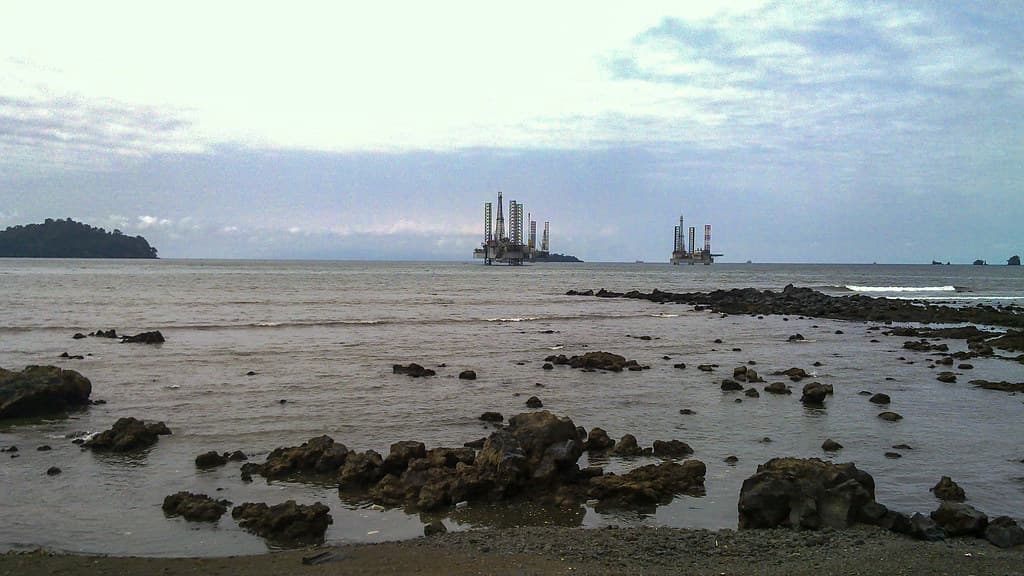
You'll smell Dibombari before seeing it—woodsmoke and curing fish, a scent that permeates everything. The beach functions as the village's workplace, its dark volcanic sand covered with fishing equipment, nets spread for mending, and fish laid out on metal sheets for smoking. Women tend the smoking ovens, adding hardwood to keep temperatures steady, while men repair boat engines in the shade of tilted canoes.
The actual waterline stays relatively clear, waves advancing and retreating over sand packed hard by constant foot traffic. Children play in the shallows between work shifts, their laughter mixing with the rhythmic pounding of net-makers on the beach's southern end. A small bar serves palm wine and grilled fish to fishermen between trips—plastic stools on sand, coolers for refrigeration, and a radio playing makossa that competes with the surf's steady percussion.
 Credit: Unsplash
Green cliffs meet the turquoise ocean with a small beach
 Credit: Unsplash
Coastal cliffs overlooking a calm blue ocean with sandy beach
Watch traditional preservation methods
Working beach daily rhythms
Swim among fishing activity
Prime Visitation
Less Crowds
Where it is
Dibombari Beach
Limbe, South West, Cameroon
4.058300°, 9.245000°
Weather
Loading…
Swell
—
Temp
Warm · Restorative
UV Index
Moderate
Wind
—
Tidal State
Last known
Max Sunlight
—
Ideal Shade
—
Jan - Dec (Peak)
May - Nov (Off-season)
Historical data suggests peak visibility and stable sea temperatures occur during the prime visitation window.
Select a category to load nearby places.
Unlock restaurants, luxury stays and curated maritime experiences within 2km
Swimming conditions at Dibombari Beach can vary depending on tides and currents. As with most beaches along the Limbe coast, it's advisable to check local conditions before entering the water. The beach's quieter nature means fewer lifeguards or safety infrastructure may be present. Always swim during daylight hours, stay close to shore if you're unfamiliar with the area, and ask local residents about current conditions. Avoid swimming alone and be mindful of any posted warnings or local advice regarding water safety.
The best time to visit Dibombari Beach is during the dry season, typically from November to March, when rainfall is minimal and skies are clearer. This period offers the most comfortable beach weather with less humidity. However, if you specifically seek fewer crowds, visiting during weekdays or the shoulder months of October or April can provide an even more peaceful experience. Mornings and late afternoons generally offer the most pleasant temperatures and lighting for beach activities and photography throughout the year.
Dibombari Beach is located in the Limbe area of Cameroon's South West Region. Most visitors reach it via Limbe town, which is accessible by road from major cities like Douala or Buea. From Limbe, you can hire a taxi or motorcycle taxi to take you to Dibombari Beach. The route may involve some local roads, so it's helpful to have clear directions or a local guide. Since it's a quieter, less touristy beach, signage may be limited, making local knowledge valuable for first-time visitors.
Dibombari Beach is quite secluded, so on-site facilities are limited. You'll find more accommodation and dining options in Limbe town, which is the nearest urban area. Local guesthouses and hotels in Limbe offer various budgets and comfort levels. For food, you may find small local vendors or informal sellers near the beach offering fresh seafood, grilled fish, or snacks, though availability isn't guaranteed. Many visitors choose to bring their own refreshments or plan to eat in Limbe before or after their beach visit.
Dibombari Beach stands out for its peaceful seclusion and minimal tourist presence, offering a more authentic and quiet coastal experience compared to busier Limbe beaches. The beach attracts fewer visitors, making it ideal for travellers seeking solitude, contemplation, or a genuine local atmosphere. Without the commercial development of more popular beaches, Dibombari maintains a natural, unspoiled character. This hidden quality appeals to those who prefer discovering off-the-beaten-path destinations and experiencing Cameroon's coastline without crowds, though it also means fewer amenities and services.
Photos