Counting the waves…
Counting the waves…

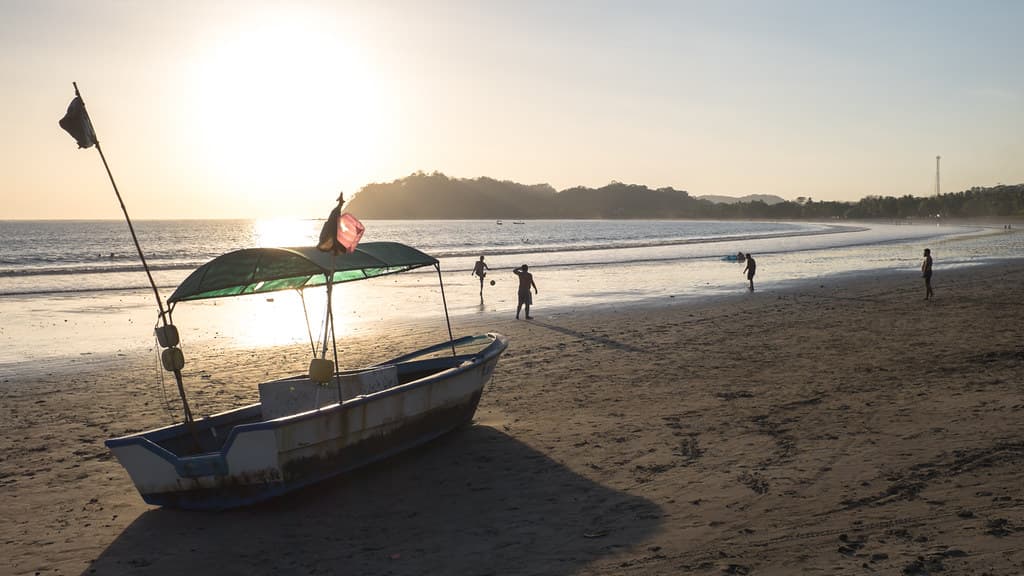
Playa Barco Quebrado translates to 'broken boat beach,' named for wrecks that found their end on these rocks decades past. The name persists though the wood has long since dissolved into the Pacific. What remains is a shoreline that refuses the smooth crescent template—instead, volcanic shelves jut into the surf, fractured and barnacle-crusted, creating a geology lesson in erosion and wave action. You'll navigate this beach on foot, picking routes between stone platforms where tide pools hold captive seas. Anemones pulse in the shallows, their tentacles waving in residual current. Hermit crabs drag commandeered shells across wet rock, retreating into crevices when your shadow crosses them. The actual sand exists in pockets between the stone, coarse and scattered with debris—bleached coral fragments, fishing floats escaped from nets, driftwood sculpted into abstract forms. Swimming here requires caution and local knowledge; currents run unpredictable around the rocky points, and the bottom drops away suddenly beyond the visible platforms. The beach sees virtually no development—no signs directing you here, no facilities awaiting your arrival, no worn paths suggesting heavy traffic. What you find instead is the Guanacaste coast in its unedited state: functional, indifferent to your presence, beautiful in ways that don't translate to quick photos. Sunset turns the wet rocks into mirrors, reflecting amber light between the pools. This is beach as geological process rather than recreational space, best appreciated by those who find tide pools more compelling than beach chairs.
Places, rentals, tours and events within walking and driving distance of Playa Barco Quebrado.
Photos
Playa Barco Quebrado is primarily a rocky beach with tide pools and is not ideal for traditional swimming. The rocky terrain and unpredictable ocean conditions make it better suited for exploration, tide pool discovery, and photography rather than swimming activities. Strong currents and submerged rocks present hazards. There are no lifeguards or emergency services nearby. The beach is best enjoyed for walking, sunset viewing, and observing marine life in tide pools during low tide rather than water-based activities.
The dry season from December through April provides the best weather for exploring Playa Barco Quebrado's rocky coastline and tide pools. Low tide offers the best opportunities to discover marine life and navigate the rocky areas safely. Late afternoon and sunset hours are particularly spectacular for photography given the beach's Instagrammable scenery. Weekdays and shoulder seasons see minimal visitors, enhancing the off-the-beaten-path atmosphere. The beach's undeveloped nature means fewer crowds year-round compared to accessible beaches.
Reaching Playa Barco Quebrado requires a four-wheel-drive vehicle due to rough, unpaved roads through the Barco Quebrado area. The beach is accessed via challenging dirt tracks that worsen during rainy season. Local knowledge or GPS coordinates are essential as signage is sparse or nonexistent. Some visitors arrange transport through local guides or taxi services from Sámara. The difficult access is part of the beach's appeal, preserving its undiscovered character. Plan extra travel time and confirm road conditions before attempting the journey.
Playa Barco Quebrado is completely undeveloped with no facilities, restaurants, restrooms, or vendors. Visitors must bring all supplies including water, food, sun protection, and any equipment needed. The nearest services are in Sámara, roughly 20-30 minutes away depending on road conditions. Pack out all trash to preserve the pristine environment. A few private homes exist in the wider Barco Quebrado area but offer no public services. Self-sufficiency is essential when visiting this remote beach.
Playa Barco Quebrado delivers an authentic off-map discovery experience rare in increasingly developed Costa Rica. Its rocky tide-pool landscape differs dramatically from typical sand beaches, offering opportunities to observe marine ecosystems and coastal geology. The beach's complete lack of development and difficult access create genuine solitude and adventure. Dramatic sunset views and Instagrammable rocky scenery appeal to photographers seeking unspoiled coastal landscapes. It represents one of the region's last truly wild, unexplored beaches with minimal human impact.