
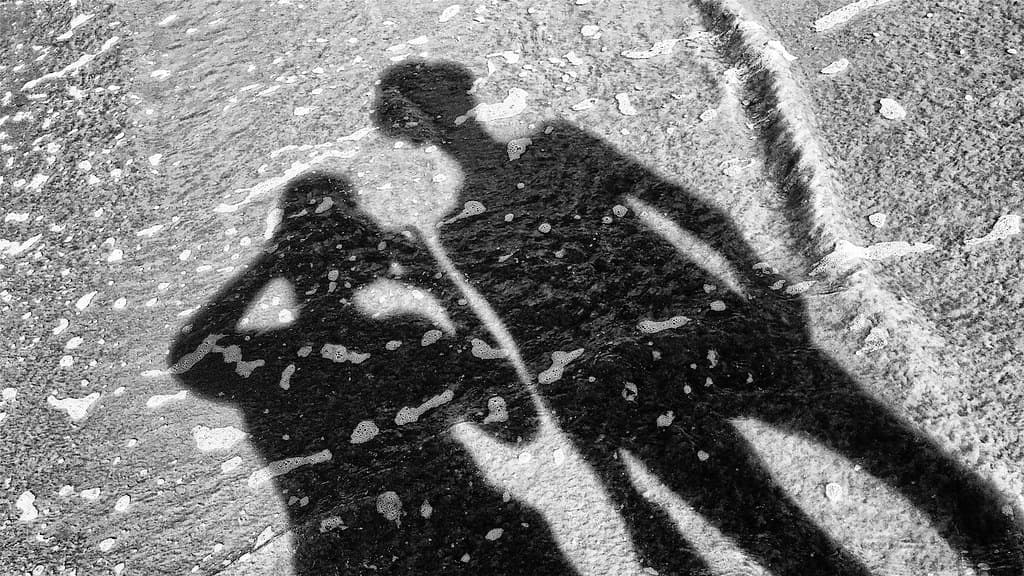
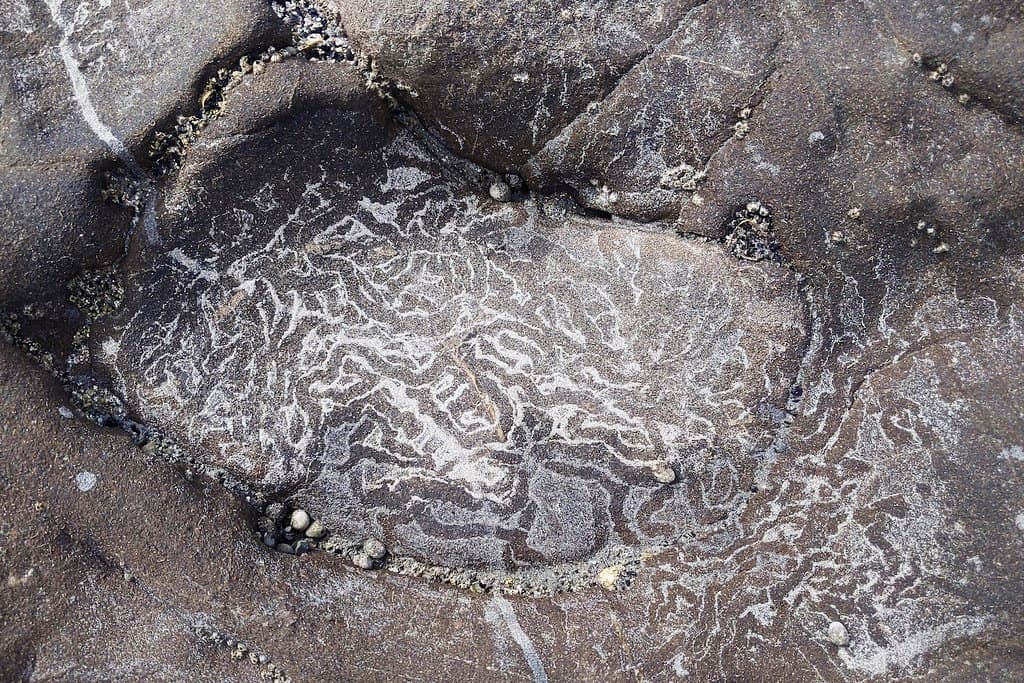
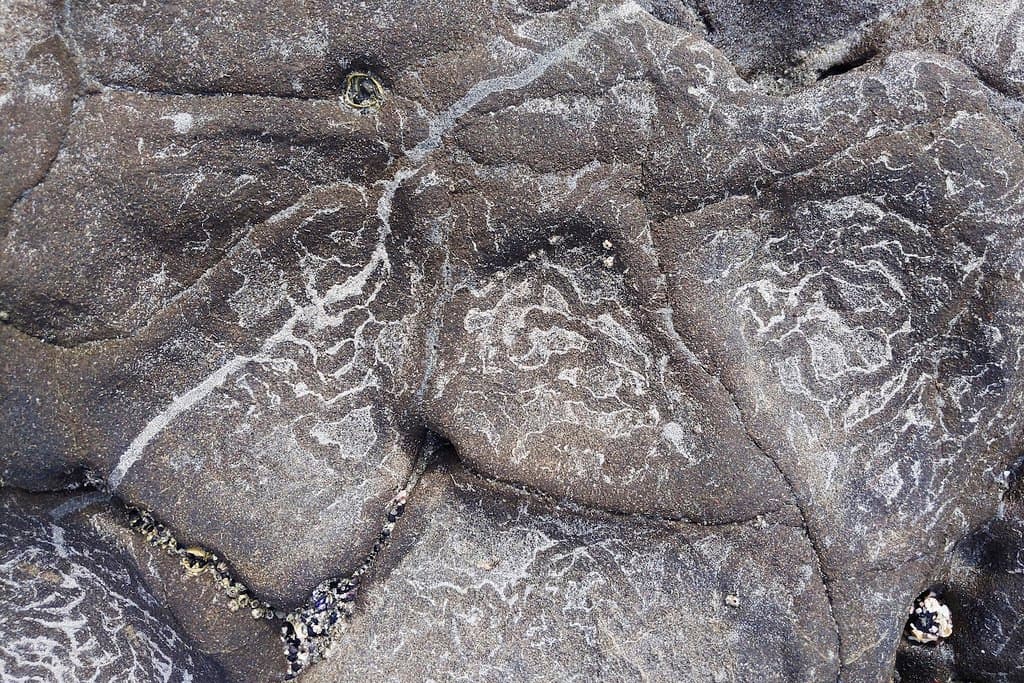
Counting the waves…
Counting the waves…

El Roble exists because of geological violence—volcanic rock shattered by tectonic movement created a narrow cleft where sand accumulated over centuries, forming a beach barely fifty meters long. The cliffs on either side rise twenty meters, dark stone columns streaked with mineral deposits and crusted with barnacles at the waterline. Access by land requires scrambling down a near-vertical path using roots and rock holds, which is why most visitors arrive by boat, timing their approach with the tide to avoid swells that surge into the pocket and rebound off the walls. The beach itself is coarse sand mixed with pebbles and fragments of volcanic glass worn smooth by wave action. At low tide, tide pools form in depressions in the rock platform, trapping octopus and moray eels. The water here churns white even on calm days, funneled through the narrow opening and compressed by the confined space. Swimming is possible but requires confidence—the current pulls hard, and the exit points are limited to a small sandy area that disappears at high tide. Seabirds nest in the cliff face—brown boobies and magnificent frigatebirds occupy different elevations, their calls echoing off stone. You'll hear the sound of waves amplified by the confined space, a constant roar that makes conversation difficult. Late afternoon brings brief moments when the sun penetrates the gap between cliffs, illuminating the water in electric blue before shadow returns and the temperature drops sharply.
Places, rentals, tours and events within walking and driving distance of Playa El Roble.
Photos
Swimming conditions at Playa El Roble depend on the season and tide. As a small beach pocket along Guanacaste's rugged coast, it can experience strong currents and rocky areas. The Pacific North Coast generally has safer swimming during dry season (December-April) when waters are calmer. Always assess conditions upon arrival, watch for rocks near shore, and avoid swimming alone at isolated beaches. Since this is a hidden, less-visited spot, lifeguards and safety services are not present, so exercise extra caution and stay within your comfort level.
The best time to visit Playa El Roble is during Costa Rica's dry season from December through April, when you'll find sunny skies and calmer seas. This beach is ideal for travelers seeking fewer crowds, making shoulder months like November or early May particularly attractive for solitude. Mornings typically offer the best conditions before afternoon winds pick up. Since it's a hidden gem near Barco Quebrado, weekdays are quieter than weekends when locals might visit. The wet season (May-November) brings afternoon rains but also lush scenery and even fewer visitors.
Reaching Playa El Roble typically requires boat access from nearby communities like Sámara or Carrillo, as it's a small beach pocket along a rugged coastline without direct road access. You can arrange boat tours or water taxis through local operators in Sámara, about 30-40 minutes away. Alternatively, experienced hikers may access it via coastal trails during low tide, though this requires local knowledge and careful planning. A 4x4 vehicle may get you close to the general Barco Quebrado area, but the final approach is best by boat or foot along the shore.
Playa El Roble itself has no restaurants or hotels due to its hidden, undeveloped nature. The nearest accommodations and dining options are in Sámara (approximately 10-15 km away), which offers a full range of hotels, hostels, vacation rentals, and restaurants catering to various budgets. Puerto Carrillo, slightly closer, has a few small lodges and local sodas serving traditional Costa Rican food. For visiting Playa El Roble, plan to bring your own food, water, and supplies, as you'll find no services at this remote beach pocket along the coast.
Playa El Roble stands out for its truly hidden nature along Barco Quebrado's rugged coastline, requiring boat access or challenging hiking to reach. Unlike the developed beaches of Sámara or Tamarindo, this small beach pocket offers complete solitude and an untouched coastal experience. The dramatic, rocky geography surrounding it creates a sense of discovery that's rare even in Guanacaste's lesser-known areas. It's ideal for adventurous travelers who want to escape crowds entirely and don't mind the extra effort to reach a pristine, off-the-map destination where you might be the only visitor.