
Counting the waves…
Counting the waves…

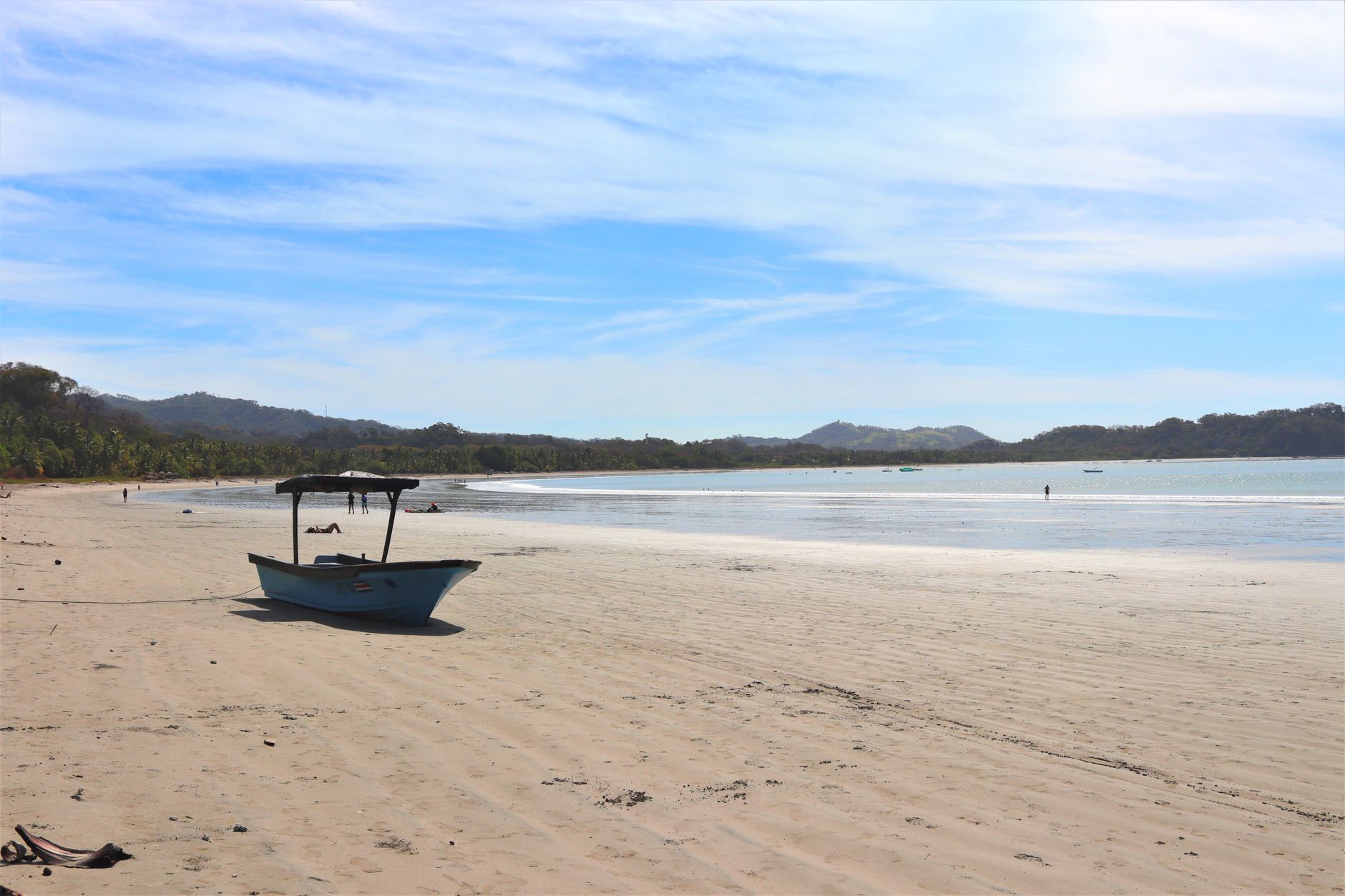
Jalova represents Tortuguero National Park at its most protected and least visited—a beach sector where human presence is carefully managed and wildlife takes absolute priority. Your guide will cut the motor while still in the canal, drifting the final hundred meters to avoid disturbing birds feeding in the shallows. When you step onto the beach, the silence is startling: no village noise, no other boats, just waves and the rustle of palms in the onshore breeze. The sand stretches unbroken in both directions, dark and volcanic, marked by the refrigerator-sized excavations where green turtles dug nesting chambers the previous night. Park regulations mean you can't wander freely—guides keep groups small and movements deliberate to minimize impact. You'll see crab burrows clustered near the vegetation line, driftwood arranged by storms into sculptural piles, and occasionally the prints of jaguar or tapir that ventured from the forest to drink from tidal pools. The ranger station operates on solar power and rainwater collection; rangers stationed here work weeks-long rotations in near-total isolation, their days structured around patrol schedules and data entry. When you visit, you're a guest in a landscape managed first for ecological integrity. The beach is humbling in its wildness—this is what protection looks like when enforcement is serious and access remains genuinely limited.
Places, rentals, tours and events within walking and driving distance of Playa Jalovita.
Photos
Swimming at Playa Jalovita is not advisable due to strong Caribbean currents, rough waves, and the beach's remote wilderness setting with no safety services. The coastline experiences powerful undertows and unpredictable surf conditions year-round. The beach is best appreciated for its wild natural beauty, wildlife observation, and as part of guided wilderness exploration. If entering the water, limit yourself to ankle-depth wading. This remote location means emergency assistance would be extremely delayed, so prioritize safety over swimming.
The drier months from February to April provide the best weather conditions and easier boat access to this remote beach. During these months, seas are generally calmer and rainfall is reduced, though the region receives precipitation year-round. For the fewest visitors, any time outside major Costa Rican holiday periods works, as this beach sees minimal tourist traffic regardless of season. Wildlife viewing is excellent year-round. Plan visits during daylight hours and coordinate with weather forecasts, as conditions can change rapidly in this wilderness area.
Access to Playa Jalovita requires boat transport through the canal systems of Tortuguero National Park or adjacent waterways. This beach is part of a remote wilderness area not connected by roads. Most visitors arrive through organized tours with licensed guides or as part of multi-day ecotourism packages. The Jalova ranger station serves as a reference point in the area. Independent access is extremely difficult and generally not recommended without proper wilderness skills and permissions. Advance arrangements with tour operators or lodges are essential.
This remote beach has no commercial facilities, restaurants, or lodging directly nearby. The Jalova sector has a ranger station but no tourist accommodation. Visitors typically stay at lodges in Tortuguero village or along the canal systems and visit Playa Jalovita as a day excursion. All food and water must be brought in by boat. Guided tours usually include packed meals and refreshments. The nearest services are in Tortuguero, which requires significant boat travel time to reach from this wilderness location.
Guided trips to Playa Jalovita emphasize wilderness experience and natural history rather than typical beach recreation. Expect boat travel through scenic canals with wildlife viewing opportunities, followed by beach exploration focused on ecology, turtle conservation, and coastal ecosystems. Guides provide interpretation about rainforest-meets-ocean environments and local biodiversity. The experience is adventurous and educational rather than comfortable or resort-like. Bring appropriate gear including rain protection, insect repellent, sun protection, and closed-toe shoes. Physical fitness for boat boarding and beach walking is helpful.