

Counting the waves…
Counting the waves…
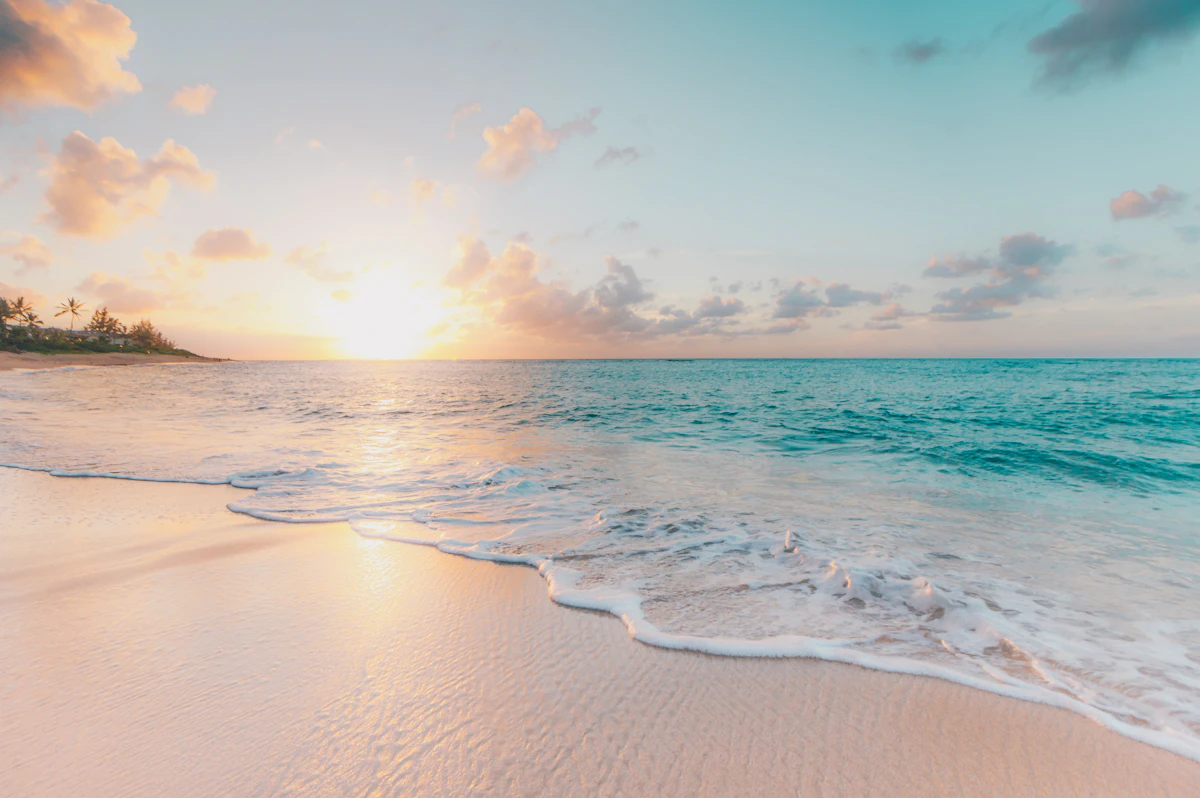
The Gandoca-Manzanillo Wildlife Refuge protects this coastline, which means no hotels, no beach bars, no jet skis—just mangrove swamp transitioning to beach transitioning to reef. You park near the river mouth, where a hand-painted sign warns about crocodiles, and walk south along a strand littered with driftwood logs the size of telephone poles. Frigate birds wheel overhead, their scissor tails constantly adjusting, while ghost crabs vanish into holes so perfectly cylindrical they look machine-made. The snorkeling begins where the beach curves toward Punta Mona. You swim out thirty yards, past the breaking waves, and suddenly the bottom comes alive: brain coral the size of washing machines, sea fans waving in the surge, stoplight parrotfish crunching algae with beaks that echo underwater. A spotted eagle ray lifts from the sand as you approach, its wings beating in slow motion. The visibility exceeds sixty feet, rare for this coast, the water scrubbed clean by the refuge's strict runoff protections. Back on the beach, you find leatherback tracks—parallel gouges wide as tire ruts, leading from waterline to the vegetation line and back. A local guide explains that females nest here from March through July, each one hauling her thousand-pound body up the beach to deposit eggs in chambers dug three feet deep. You run your hand along the track, the sand still cool from her passage, and feel the weight of evolutionary time pressing against the present.
Places, rentals, tours and events within walking and driving distance of Playa Gandoca.
Photos
Playa Gandoca generally offers calm waters suitable for swimming and snorkeling, particularly during the dry season. However, ocean conditions can vary, so always assess current and wave conditions before entering. The beach is known for abundant marine life, making it excellent for snorkeling in calmer areas. There are no lifeguards on duty, so swim at your own risk and stay close to shore if you're not a strong swimmer. Watch for coral and sea urchins when snorkeling, and avoid touching marine life.
The best time to visit Playa Gandoca is during Costa Rica's dry season, from February to April, when you'll experience less rainfall and calmer seas ideal for snorkeling. September and October typically see the heaviest rains. The beach is less crowded year-round compared to popular tourist beaches, offering tranquility even during peak season. Water visibility for snorkeling is best during dry months. If you're interested in wildlife watching, the shoulder seasons offer good weather with fewer visitors.
Playa Gandoca is accessible from the village of Manzanillo, located in Limón Province on Costa Rica's southern Caribbean coast. From Puerto Viejo, drive or take a bus southeast along the coastal road to Manzanillo (about 30-40 minutes). The beach requires a short walk or drive along unpaved roads from the main village. A 4WD vehicle is recommended during rainy season. You can also reach it by bicycle or arrange local taxi services from Puerto Viejo or Manzanillo.
Playa Gandoca is a remote beach with limited infrastructure directly on site. The nearby village of Manzanillo offers several small restaurants serving Caribbean-style cuisine and fresh seafood, along with a handful of basic lodging options including cabins and eco-lodges. For more accommodation choices, Puerto Viejo (about 13 kilometers away) has a wider range of hotels, hostels, and restaurants. It's advisable to bring water and snacks, as facilities directly at the beach are minimal or nonexistent.
Playa Gandoca stands out for its location within the Gandoca-Manzanillo Wildlife Refuge, offering exceptional biodiversity both on land and underwater. The beach provides excellent snorkeling opportunities with vibrant coral reefs and diverse marine life, including tropical fish, rays, and sometimes dolphins. Its remote location near the Panama border means significantly fewer tourists compared to popular beaches like Cahuita or Puerto Viejo. The surrounding refuge protects important nesting sites for sea turtles and offers pristine natural surroundings for eco-tourism enthusiasts.