Counting the waves…
Counting the waves…

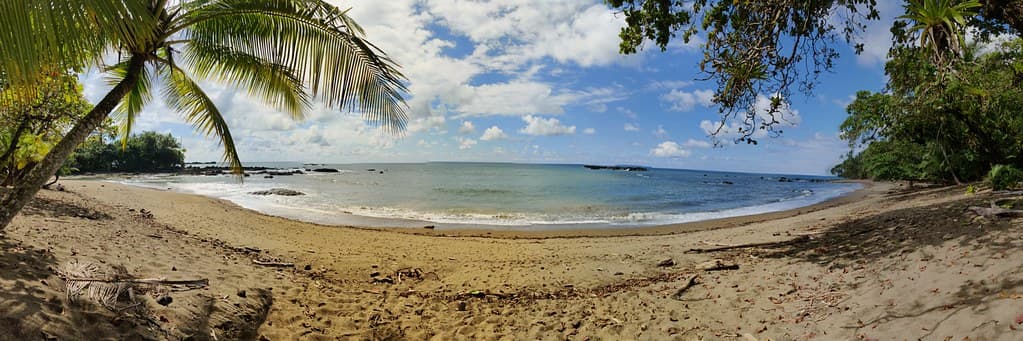
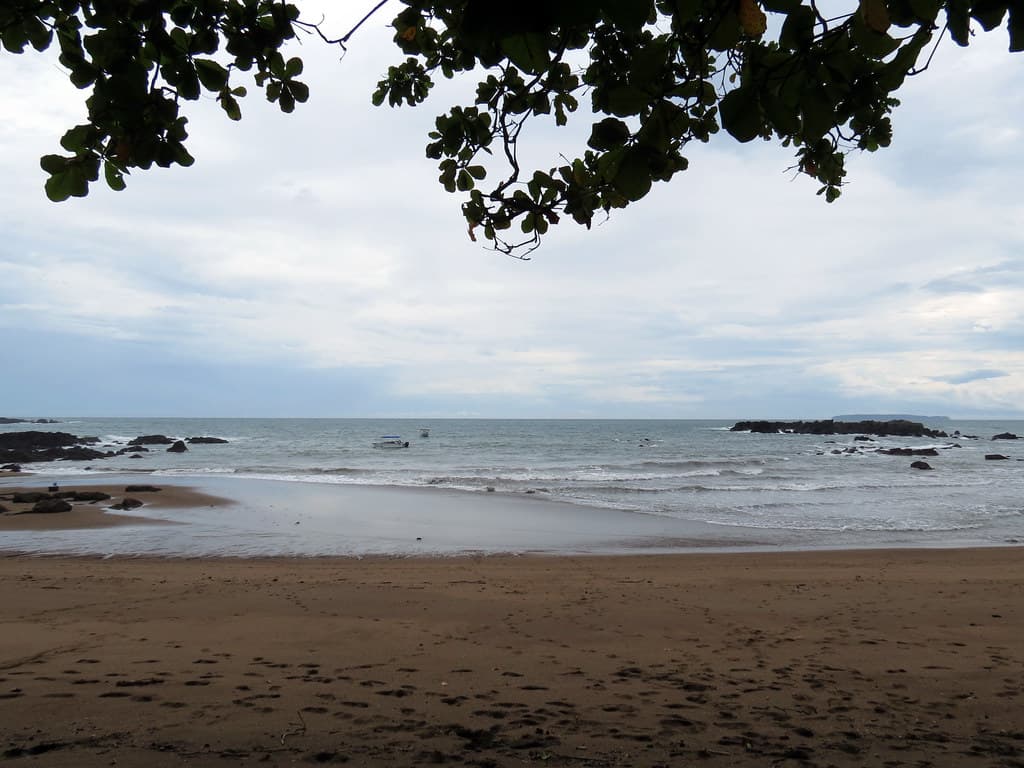
The only footprints you'll find here belong to coatis that patrol the tide line at dawn. Playa Bajo Caletas curls between two forested headlands, a 200-metre crescent reachable solely by water. Your boat captain cuts the motor and drifts into knee-deep surf; you wade ashore into a stillness broken only by the rustle of coconut palms and the low boom of waves on offshore rocks. The sand is tawny and coarse, studded with driftwood polished smooth by years of surge. Behind the beach, primary rainforest rises in a nearly vertical wall—cecropia, almendro, and wild cacao tangled with liana vines. Hermit crabs scuttle beneath the leaf litter, and you might catch the flash of a poison-dart frog threading through the undergrowth. When the tide retreats, tide pools appear among the boulders on the southern point, each one a micro-world of anemones and juvenile snappers. Pelicans dive in formation just beyond the break, and frigatebirds hang motionless on thermals above the canopy. As the afternoon light softens, you realize you've shared this bay with no one but the wildlife—a vanishing privilege even on the Osa Peninsula.
Places, rentals, tours and events within walking and driving distance of Playa Bajo Caletas.
Photos
Swimming conditions at Playa Bajo Caletas vary depending on tides, season, and weather patterns affecting this remote pocket beach. As a hidden bay, it may offer some protection from open ocean swells, but conditions can still be unpredictable. There are no lifeguards, facilities, or nearby help in case of emergency. The remote location requires swimmers to be experienced and cautious. Snorkeling might be possible during calm conditions, but always assess the water carefully. Most visitors enjoy the beach for its scenery and exploration rather than extensive swimming.
The dry season from December to April offers the best conditions for accessing Playa Bajo Caletas by boat, with calmer seas and more predictable weather. During the green season (May through November), expect afternoon rains and potentially rougher seas, though you'll encounter far fewer visitors. The remote nature of this beach means timing your visit with favorable weather and sea conditions is essential for safe boat access. Early morning departures typically offer the calmest water and best wildlife viewing opportunities along the journey to this hidden bay.
Playa Bajo Caletas is accessible primarily by boat from Bahía Drake, as its remote location makes land access extremely difficult or impossible. Arrange boat transport through local tour operators, guides, or your lodge in Drake Bay. The boat journey itself offers scenic coastal views and potential dolphin or whale sightings depending on season. Some specialized coastal hiking routes may approach the area, but boat access is the most practical and commonly used method. Always travel with an experienced local guide who knows the coastline, currents, and safe landing spots for this pocket beach.
Playa Bajo Caletas is a completely undeveloped, remote pocket beach with absolutely no facilities, services, or infrastructure. There are no restrooms, shade structures, food vendors, or accommodations on or near the beach. Visitors must bring everything they need including drinking water, food, sun protection, and first aid supplies. The nearest services are in Bahía Drake village, where you'll find lodging, restaurants, and tour operators. This beach is visited primarily as part of boat excursions or adventure tours, so coordinate all logistics and supplies before departure.
Playa Bajo Caletas stands out for its exceptional remoteness and hidden bay configuration, making it truly off the beaten path even in an already remote region. The pocket beach setting creates an intimate, protected feeling that larger beaches lack, perfect for adventurous travelers seeking undiscovered coastal gems. Its absence from most tourist itineraries and maps means you're likely to experience genuine solitude and pristine natural conditions. The journey to reach it becomes an adventure in itself, and the beach rewards those willing to make the effort with untouched beauty and a sense of true exploration.