
Counting the waves…
Counting the waves…

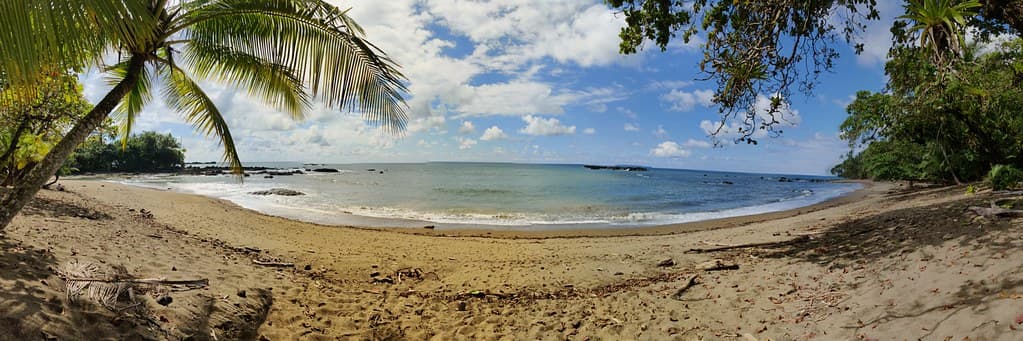
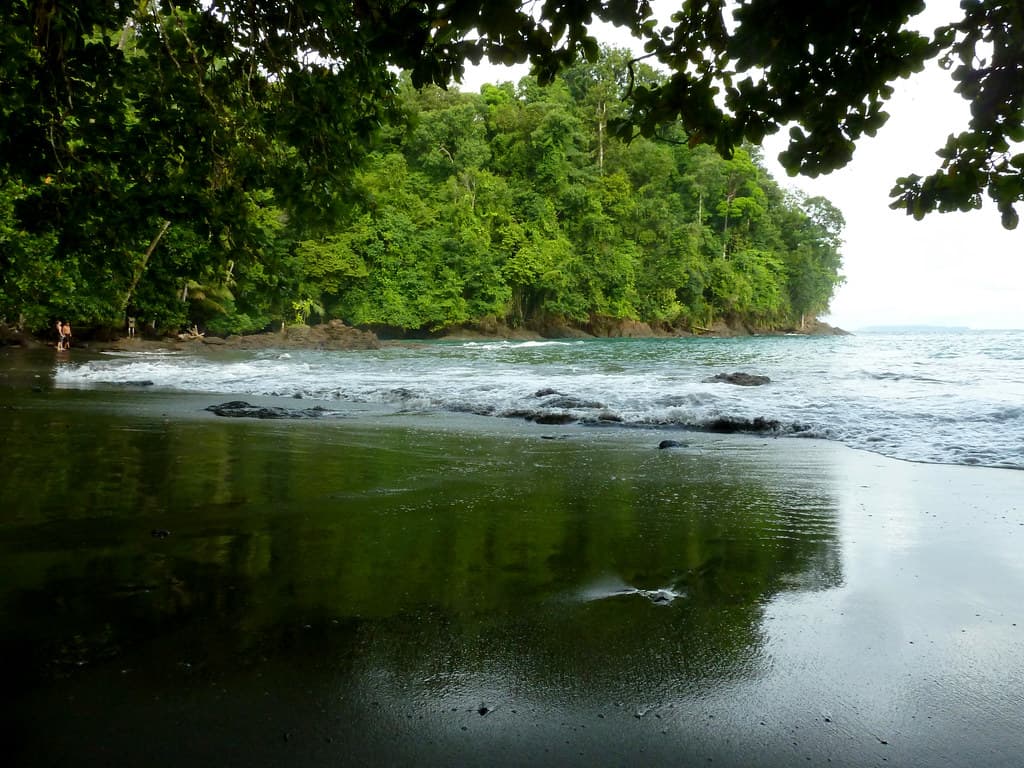
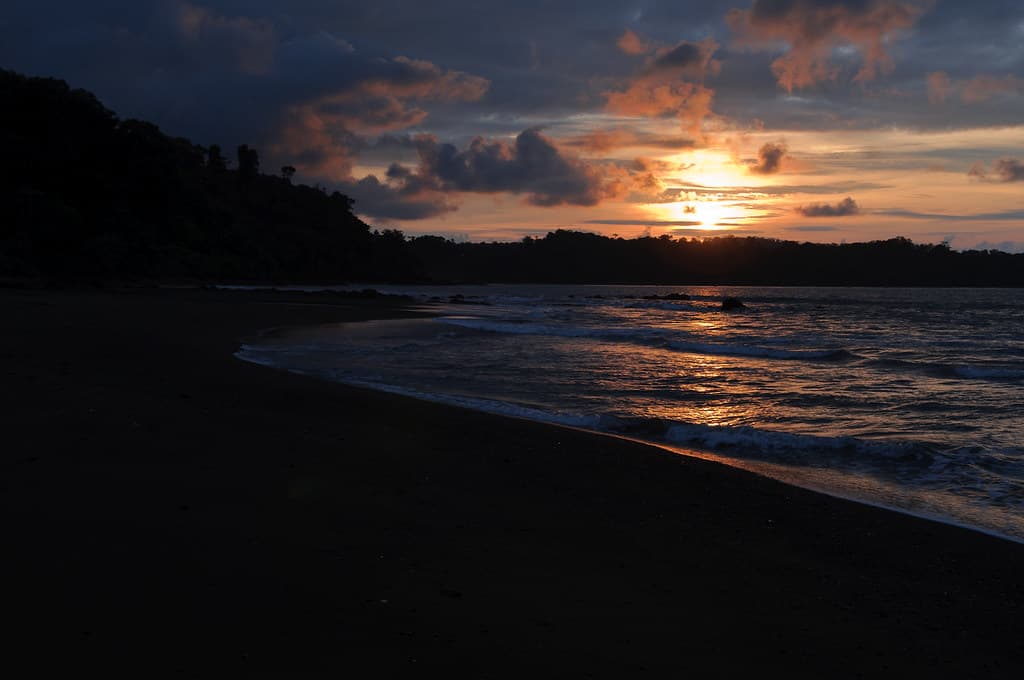
The trail descends steeply through a gully slick with leaf mold, then spits you onto sand so suddenly the light feels abrupt. Behind you, the forest rises like a green wall; ahead, the Pacific stretches to a horizon broken only by Caño Island's dark silhouette. The beach curves gently, bookended by rocky outcrops that shelter it from the prevailing swells. What waves do arrive collapse gently, more sigh than roar. Driftwood forms a natural bench at the vegetation line—salt-bleached trunks smoothed into sculptures by tide and time. The sand is coarse, more ground shell than silica, and it crunches underfoot. Hermit crabs patrol the wrack line in armies, clicking into borrowed homes whenever a shadow passes overhead. A seasonal creek seeps from the forest, carving a shallow trench to the water and leaving the sand dark and firm where it flows. Seabirds largely ignore this pocket beach in favor of the offshore rocks, but you might see a lone heron working the shallows at dawn. The real action happens in the forest canopy—spider monkeys crashing through branches, toucans arguing over fruiting trees, the occasional scarlet macaw slicing overhead in pairs. By late afternoon, the headlands frame the sun perfectly, turning the bay into a theater of backlit spray and golden water.
Places, rentals, tours and events within walking and driving distance of Playa El Bajo.
Photos
Swimming conditions at Playa El Bajo depend on tides and weather, as this remote beach faces the open Pacific. Conditions can be unpredictable with occasional strong currents and waves. There are no lifeguards or facilities, so exercise extreme caution and never swim alone. The beach's remote location means help is not readily available in emergencies. Most visitors enjoy wading or beachcombing rather than swimming. Always assess water conditions carefully, ask locals about current safety, and avoid swimming if waves appear rough or currents are visible.
The dry season from December to April offers the most reliable weather for hiking the coastal trail to reach Playa El Bajo, though this is also when Drake Bay sees more visitors. For fewer crowds, consider the green season months of May through November, but be prepared for muddy trails and afternoon rains. The beach is accessible year-round by boat, which may be preferable during wetter months. Early morning visits provide the best wildlife viewing opportunities and cooler hiking conditions along the coastal trail.
Playa El Bajo is accessed either by boat from Bahía Drake or by hiking the remote coastal trail that connects various beaches along the Osa Peninsula's northern coast. The trail requires moderate fitness and good footwear, as sections can be rocky and slippery. Boat access is often easier and can be arranged through local tour operators or lodges in Drake Bay. The journey offers scenic coastal views and potential wildlife sightings. Allow several hours for hiking, and consider tide schedules as some trail sections are best traversed at low tide.
Playa El Bajo is a completely undeveloped, remote beach with no facilities, restaurants, or accommodations directly on site. Visitors must bring all necessary supplies including water, food, sun protection, and any other essentials. The nearest services are in Bahía Drake village, where you'll find small hotels, lodges, restaurants, and basic shops. Most visitors access this beach as part of a guided tour or day hike from Drake Bay accommodations. Pack out all trash to preserve the pristine nature of this hidden beach.
Playa El Bajo offers true remoteness and a sense of discovery that's increasingly rare in Costa Rica. Its location along the coastal trail makes it a rewarding destination for adventurous hikers seeking beaches off the typical tourist path. The small beach stretch provides intimate scenery with dramatic coastal landscapes and excellent opportunities for solitude and nature photography. Unlike more accessible Drake Bay beaches, reaching Playa El Bajo requires effort and planning, which means you're likely to have the beach largely to yourself, especially outside peak season.