
The ranger station sits in a clearing behind the beach, and before you've even dropped your pack, you've seen something memorable: a troop of spider monkeys in the station's cecropia trees, or a white-nosed coati boldly investigating a research tent, or—if luck favors you—a Baird's tapir emerging from the Sirena River mouth to drink where freshwater meets the Pacific. This beach is an ecological crossroads where mountain streams, mangrove swamps, primary rainforest, and open ocean meet, and the wildlife knows it.
“The only beach in Central America where you're statistically likely to see tapir, jaguar tracks, and all four regional monkey species in a single morning.”
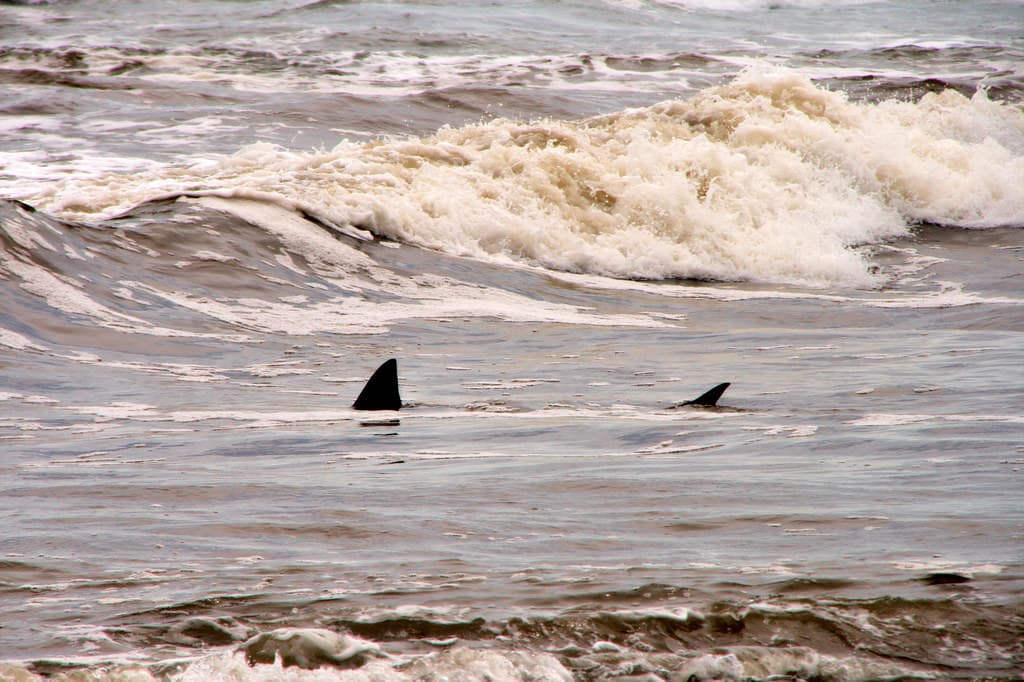 Credit: Flickr
Playa Sirena — photo by Christian Haugen
The sand itself is golden-brown, firm underfoot, extending for a kilometer in both directions. You walk the shoreline in early morning, following jaguar tracks that parallel the treeline. The big cat passed through after midnight, possibly hunting the white-lipped peccaries whose rooting marks churn the forest floor behind the beach. A pair of scarlet macaws flies overhead, their calls cutting through the sound of surf. In the shallows, a crocodile—yes, a crocodile—floats near the river mouth, tolerating the saltwater because the fishing is good.
By midday, heat shimmers off the sand and you retreat to the shade of a beachside almond tree, watching researchers return from transect hikes with muddy boots and full memory cards. The swim is warm and gentle, no rip currents, ideal for rinsing off the trail dust. But you keep one eye on the forest edge. Sirena's magic is that you never know what will appear next—puma, ocelot, all four monkey species, or the harpy eagle that nests two kilometers inland and sometimes hunts the beach at dusk.


