Counting the waves…
Counting the waves…

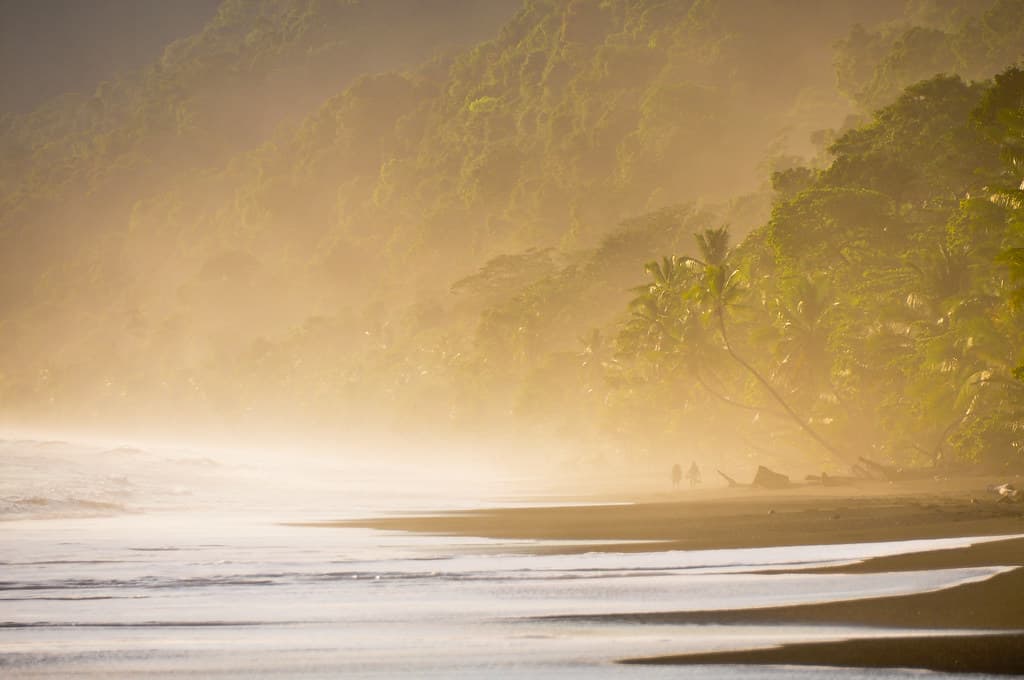
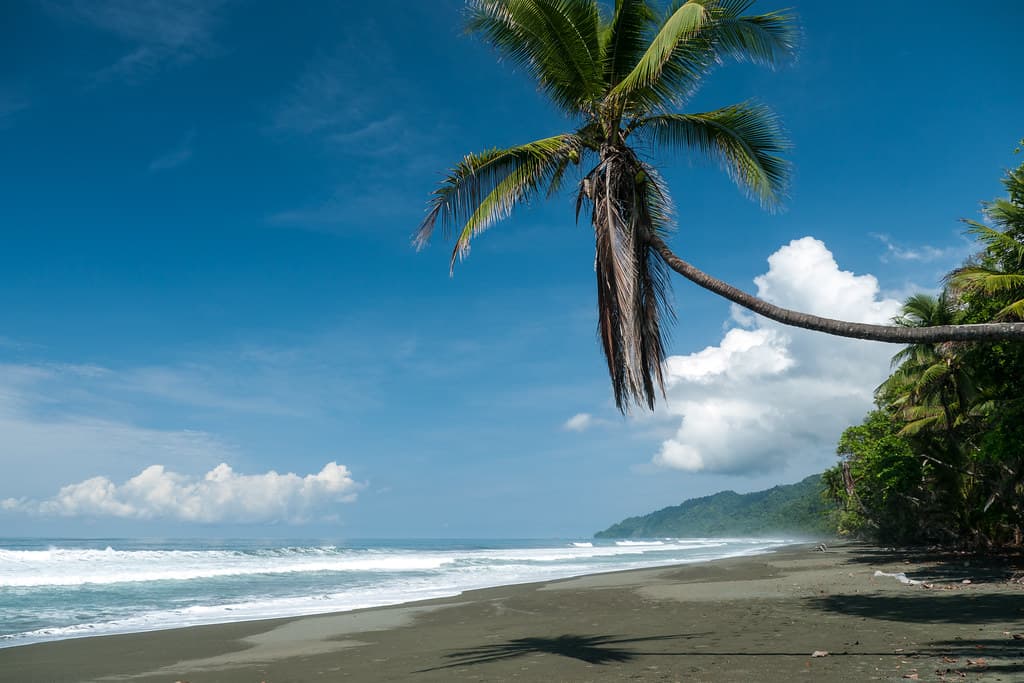
The ranger station sits in a clearing behind the beach, and before you've even dropped your pack, you've seen something memorable: a troop of spider monkeys in the station's cecropia trees, or a white-nosed coati boldly investigating a research tent, or—if luck favors you—a Baird's tapir emerging from the Sirena River mouth to drink where freshwater meets the Pacific. This beach is an ecological crossroads where mountain streams, mangrove swamps, primary rainforest, and open ocean meet, and the wildlife knows it. The sand itself is golden-brown, firm underfoot, extending for a kilometer in both directions. You walk the shoreline in early morning, following jaguar tracks that parallel the treeline. The big cat passed through after midnight, possibly hunting the white-lipped peccaries whose rooting marks churn the forest floor behind the beach. A pair of scarlet macaws flies overhead, their calls cutting through the sound of surf. In the shallows, a crocodile—yes, a crocodile—floats near the river mouth, tolerating the saltwater because the fishing is good. By midday, heat shimmers off the sand and you retreat to the shade of a beachside almond tree, watching researchers return from transect hikes with muddy boots and full memory cards. The swim is warm and gentle, no rip currents, ideal for rinsing off the trail dust. But you keep one eye on the forest edge. Sirena's magic is that you never know what will appear next—puma, ocelot, all four monkey species, or the harpy eagle that nests two kilometers inland and sometimes hunts the beach at dusk.
Places, rentals, tours and events within walking and driving distance of Playa Sirena.
Photos
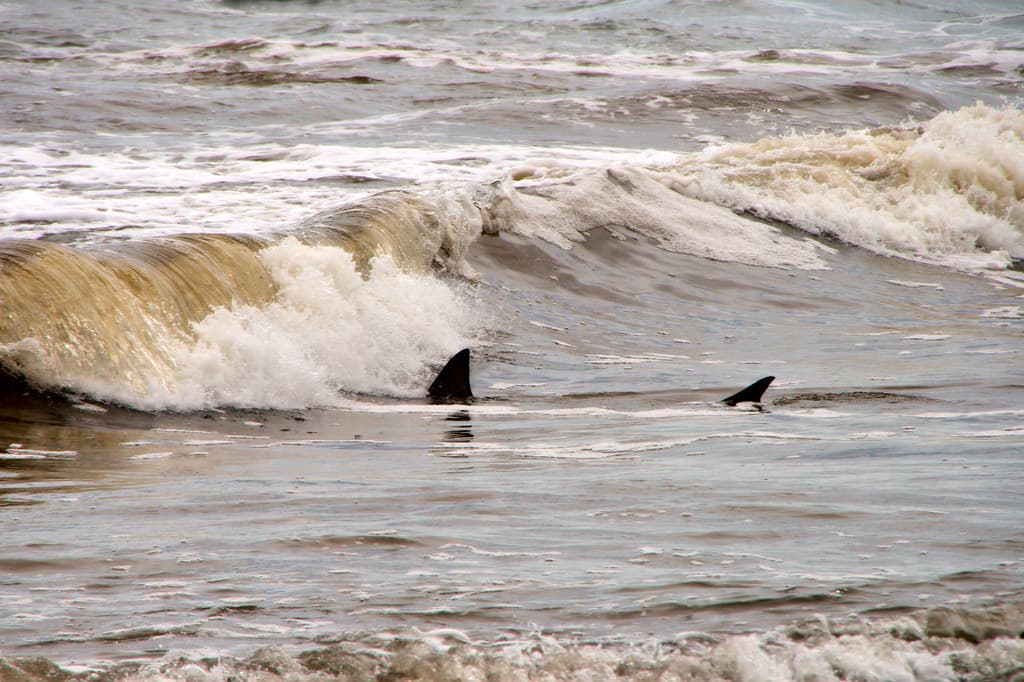
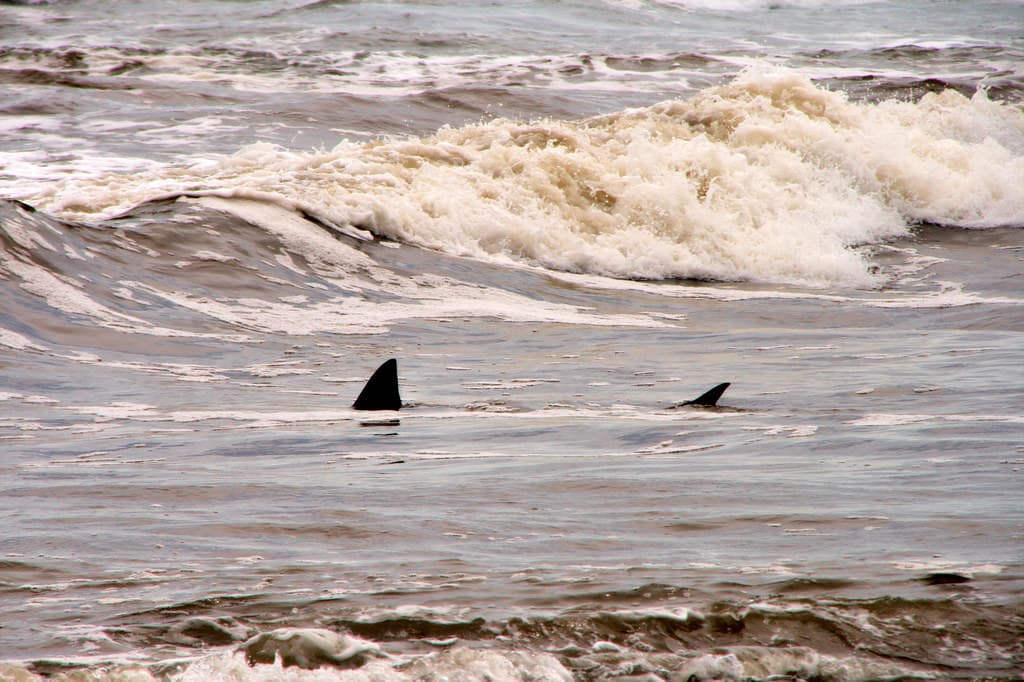
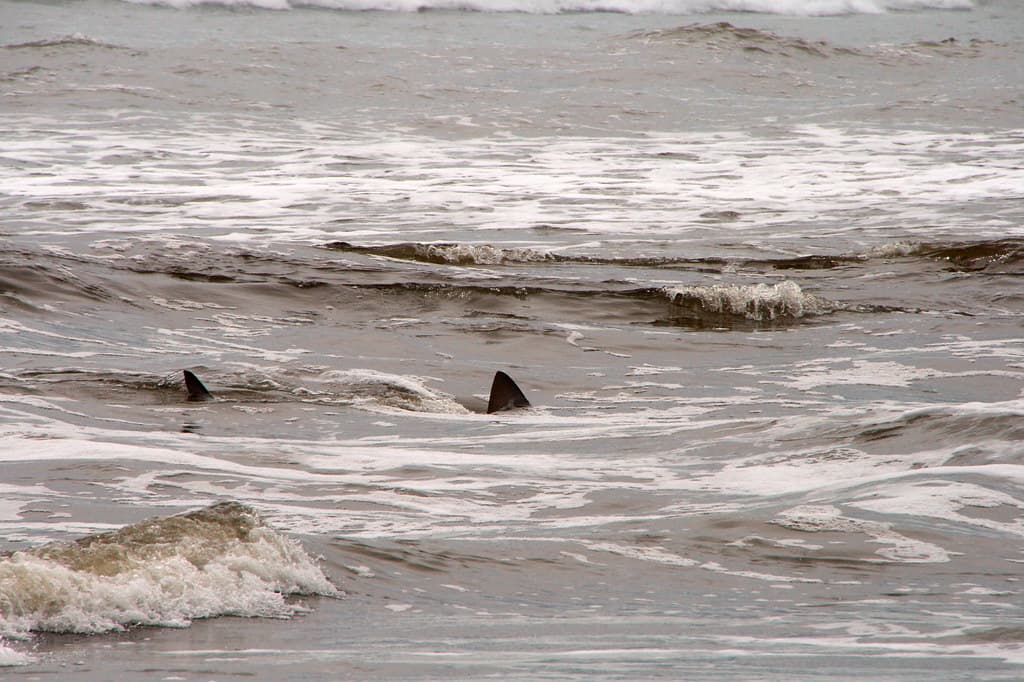
Swimming at Playa Sirena is possible but requires caution due to strong Pacific currents and occasional rip tides. The beach is relatively exposed, and conditions vary depending on the season and daily weather. Always stay close to shore and be aware of changing tide conditions. The primary purpose of this beach is as an access point to Corcovado's Sirena ranger station rather than a swimming destination. Park rangers can advise on current ocean conditions. Wildlife in the water, including crocodiles in nearby rivers, requires vigilance.
The optimal time to visit Playa Sirena is during the dry season from late December through April, offering the best weather and less crowded conditions. This period provides easier access by boat and better wildlife viewing opportunities. The wet season (May-November) can make trails muddy and boat transfers more challenging, though wildlife is active year-round. Many tours operate primarily during dry season months. Book well in advance as Corcovado limits daily visitors, and permits for the Sirena sector are especially competitive during peak months.
Playa Sirena is accessible only by boat or by hiking through Corcovado National Park, as there are no roads. Most visitors take a boat from Drake Bay or Sierpe, which takes 1-2 hours depending on departure point and ocean conditions. Some arrive by hiking from other park entrances like Los Patos or San Pedrillo, which requires multiple days and a park permit. All visits require advance reservations through authorized tour operators or the SINAC park system. Independent access is not permitted; you must be with a certified guide.
Playa Sirena has very basic facilities centered around the Sirena ranger station. Overnight visitors can stay in simple dormitory-style bunks at the station, but space is extremely limited and must be reserved well in advance. Visitors must bring all their own food, as there are no restaurants or stores. Basic camping may be available with permits. Most visitors come on day trips from Drake Bay or as part of multi-day guided treks. The station has basic restrooms and covered eating areas but minimal amenities.
Playa Sirena serves as the gateway to the Sirena sector, widely regarded as the best place in Corcovado National Park for wildlife viewing. The area's remarkable biodiversity includes all four Costa Rican monkey species, scarlet macaws, tapirs, peccaries, and even jaguars. The beach itself is less notable than the surrounding rainforest trails that radiate from the ranger station. This location sits at the biological heart of the park, where coastal and inland ecosystems converge, creating exceptional wildlife concentration and making it a premier destination for serious nature enthusiasts.