

Counting the waves…
Counting the waves…

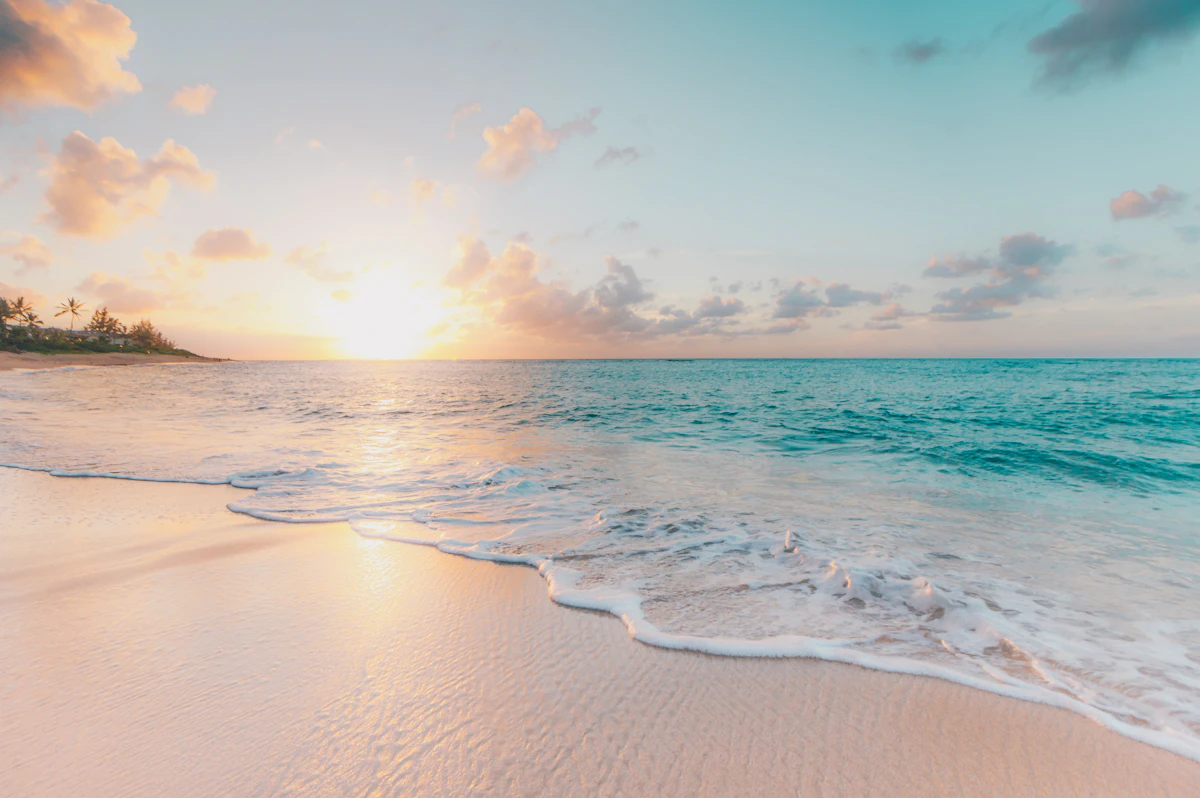
Playa Curazao feels lived-in. The sand is compressed in places from foot traffic, dotted with the small debris of daily life—a flip-flop, a deflated soccer ball, a plastic tub used for washing fish. Wooden boats line the shore, some freshly painted, others weathered to gray. A few meters back from the water, the village begins: cinder-block houses with tin roofs, a soda with plastic chairs out front, a pulpería where you can buy cold Coca-Cola in glass bottles. Walking routes crisscross Chira, connecting the island's scattered communities, and Playa Curazao sits along one of the main paths. You'll see islanders passing through—women carrying shopping bags, men on bicycles, schoolkids in uniform—and the beach serves as both thoroughfare and gathering place. In the early morning, it's fishermen sorting catch. By late afternoon, families arrive to cool off, wading into the gentle surf while the day's heat softens. The Gulf of Nicoya spreads wide and calm here, its surface textured by wind but rarely rough. You can swim without worry, the bottom sloping gradually, the water warm as bathwater by midday. Across the gulf, the Nicoya Peninsula rises in hazy ridges. Pelicans dive offshore, and frigatebirds wheel overhead. It's not wilderness—it's a working shore, embedded in the rhythms of island life, and that's exactly what makes it real.
Places, rentals, tours and events within walking and driving distance of Playa Curazao.
Photos
Playa Curazao's community-linked setting and generally calmer gulf waters can make it suitable for families during good conditions, though facilities are minimal. The sandy beach provides gradual entry, and the island location typically means calmer waters than open Pacific beaches. However, there are no lifeguards, safety equipment, or emergency services readily available. Parents should closely supervise children, assess conditions upon arrival, and only allow swimming during calm weather. Tidal currents can vary, so stay in shallow areas. The beach's connection to local walking routes means you may encounter island residents who can advise on conditions.
Budget travelers should visit during the wet season (May through November) when accommodation costs drop throughout Costa Rica and transportation may be more negotiable. Public ferries from Puntarenas to Isla Chira offer the most economical access year-round. Weekday visits avoid premium weekend pricing for private boat transport. Playa Curazao itself is free to visit with no entry fees. Pack your own food, snacks, and water rather than relying on mainland restaurants. December through April offers the best weather but slightly higher transport costs. Traveling in small groups allows cost-sharing for private boat charters if needed.
Access to Playa Curazao starts with boat transport to Isla Chira. Budget-friendly public ferries operate from Puntarenas to the island's main settlements on the eastern shore. From there, you can walk along island paths, rent a bicycle, or arrange local boat transport to reach Playa Curazao. The beach's position on island walking routes makes it accessible on foot for those comfortable with coastal hiking. Alternatively, private water taxis from Puntarenas or nearby towns can be arranged, potentially dropping you closer to the beach depending on tides and landing sites. Check with locals for current trail conditions.
Playa Curazao has no on-site facilities, restaurants, or lodging. The beach area's community connection means you're near local island life but without commercial tourism infrastructure. Basic accommodations and simple sodas exist in Isla Chira's main fishing villages several kilometers away on the eastern shore. Most visitors day-trip to Playa Curazao, bringing packed lunches, snacks, and plenty of drinking water. Local families occasionally use the beach area, creating authentic cultural atmosphere. For overnight stays and full meal service, return to Puntarenas or stay in mainland Pacific coastal towns with more tourism amenities.
Playa Curazao's defining characteristic is its genuine community connection—this beach area serves local island residents using traditional walking routes, offering visitors authentic cultural immersion alongside natural beauty. Unlike purely remote beaches, you may encounter island families, fishermen, or residents going about daily coastal life, providing unique insight into Gulf of Nicoya island culture. The beach combines scenic value with cultural authenticity rarely found at developed tourist beaches. Its inclusion on island walking routes makes it accessible to moderately adventurous travelers while maintaining its hidden, family-friendly character. The experience emphasizes connection over amenities.