Counting the waves…
Counting the waves…
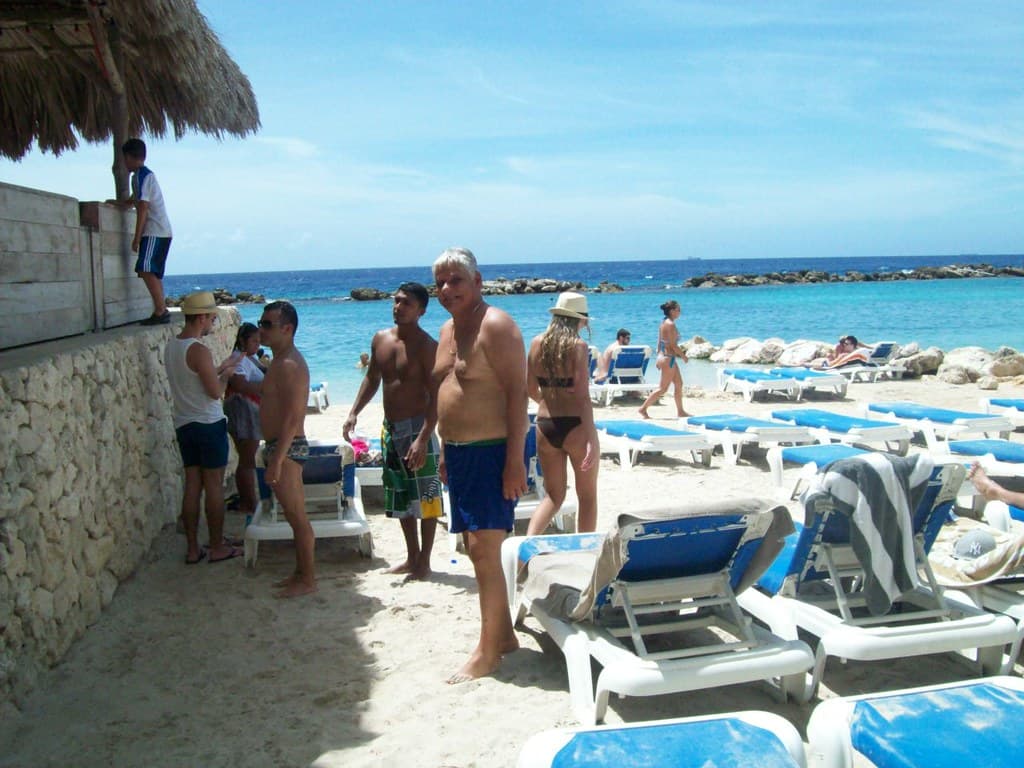
The sand here is warm underfoot by mid-morning, scattered with driftwood smoothed pale by salt and sun. A few weathered boats rest hull-up in the shade of almond trees, their paint peeling in strips of blue and white. Behind you, the trail winds back toward the island's interior farms; ahead, the Gulf of Nicoya spreads flat and hazy, dotted with the dark shapes of other islands. You'll hear the beach before you see it—the low rumble of an outboard, the scrape of a hull dragging across sand, the rhythmic slap of water against wood. Fishermen tie off their pangas in the shallows, unloading plastic crates and coils of line. The tide pulls in slowly here, leaving a wide apron of damp sand ribbed with tidal patterns. Hermit crabs shuffle across it in the early hours. By late afternoon the sun angles low over the water, turning the surface copper. The heat softens, and the breeze picks up enough to rattle the dry palm fronds overhead. If you've walked the island's dirt roads all morning, this is where you'll want to stop—your feet in the shallows, a cold bottle from the village store, nothing ahead but the long light and the slow rhythm of boats coming in.
Places, rentals, tours and events within walking and driving distance of Playa Leña.
Photos
Swimming at Playa Leña is generally possible during calm conditions, though this low-key beach lacks any safety infrastructure or lifeguard services. Conditions vary with tides, weather, and season—calm mornings typically offer the safest swimming, while afternoons may bring wind and chop. The sandy beach provides gradual entry, but always assess water conditions upon arrival. Since this is a remote island location with limited emergency services, swim conservatively within your abilities and preferably with companions. Check with local boat operators or island residents about current conditions. Avoid swimming during rough weather or strong tidal currents.
The dry season from December through April provides optimal conditions with sunny weather, calm seas, and easier boat access to Isla Chira. This period sees fewer crowds overall, though Playa Leña rarely gets crowded due to its off-the-beaten-path location. Weekday visits offer maximum solitude for sunbathing and relaxation. The beach is pleasant for walking and exploration year-round, but wet season months (May-November) bring afternoon rains and potentially rougher gulf waters that complicate boat transport. Early morning visits any season offer the calmest conditions and cooler temperatures for hiking along local routes.
Accessing Playa Leña requires boat transportation to Isla Chira. Public ferries run from Puntarenas to the island's main eastern villages, from where you'll need additional transport to reach this beach—options include hiring local boats, bicycles, or walking along island trails. Alternatively, arrange private water taxis from Puntarenas or nearby coastal towns that can drop you directly at or near the beach, depending on tides and landing conditions. Local boat operators and island residents can guide you along hiking and boat routes. Weather and sea conditions affect accessibility, so build flexibility into travel plans.
Playa Leña offers no commercial facilities—no restaurants, vendors, or accommodation. This low-key beach maintains its natural, undeveloped character. Simple lodging and local sodas (small restaurants) are available in Isla Chira's main fishing communities on the eastern shore, requiring travel across the island. Most visitors treat Playa Leña as a day-trip destination, carrying all necessary provisions. Pack a full picnic, ample drinking water, snacks, and sun protection. Practice leave-no-trace principles by removing all trash. For comfortable overnight stays and restaurant meals, base yourself in Puntarenas or other mainland Pacific coast towns.
Playa Leña's uniqueness lies in its authentic obscurity—this beach rarely surfaces in mainstream guidebooks, offering genuine discovery for adventurous travelers. Its position along local hiking and boat routes provides cultural connection to traditional island life rather than tourist infrastructure. The beach serves as a functional part of the island community's coastal access, giving visitors insight into rural Costa Rican maritime culture. The sandy shoreline is ideal for peaceful sunbathing with minimal crowds and development. For those seeking beaches untouched by tourism, where local character outweighs amenities, Playa Leña delivers an increasingly rare authentic coastal experience.