
Counting the waves…
Counting the waves…

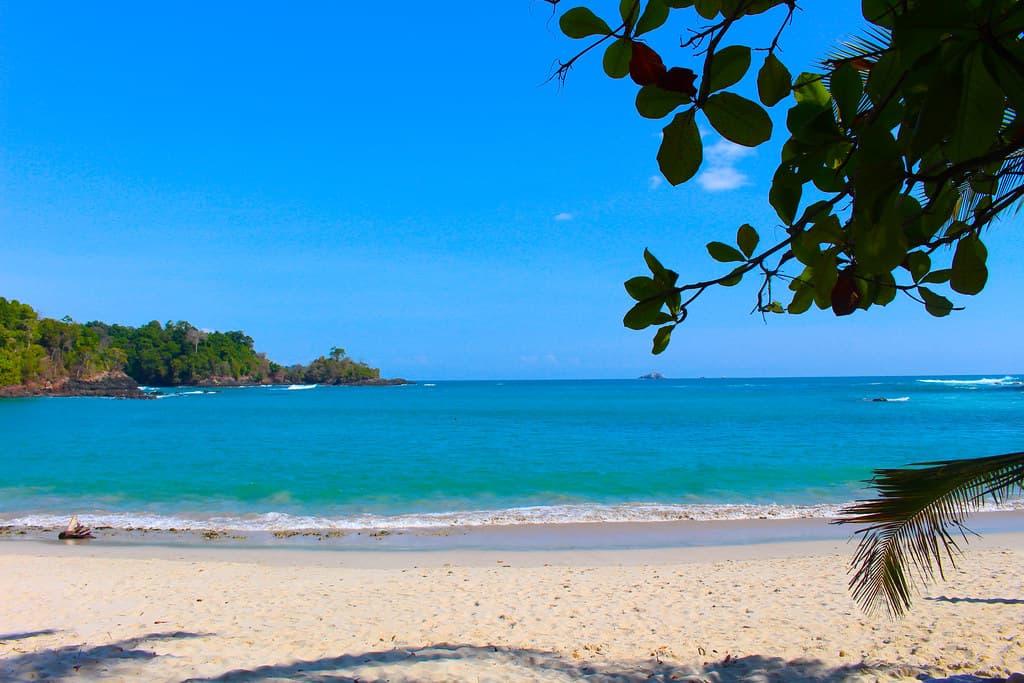
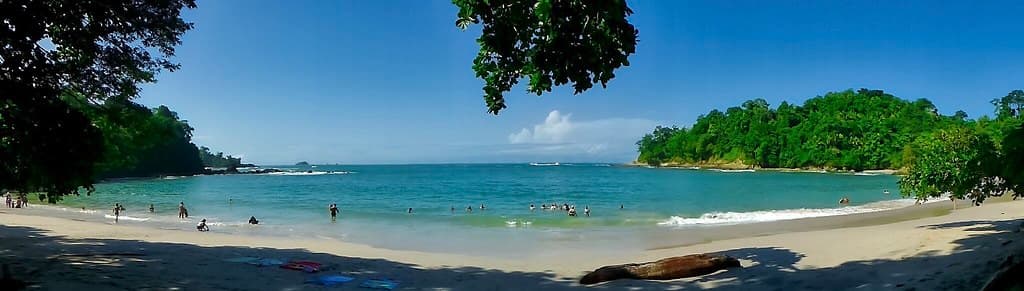
The crowds flow past on the main trail, funneling toward Espadilla Sur and Manuel Antonio beaches where the guidebooks send them. You'll spot the unsigned spur path—barely worn, easy to miss—that cuts through the forest and descends over volcanic rock still warm from the sun. Below, Playa Pará appears: a small horseshoe maybe forty meters across, backed by jungle so thick you can't see sky through the canopy. The sand here carries a golden tint, mixed with fine coral fragments that sparkle when wet. You'll drop your pack and scan the water—the cove's rocky arms extend underwater, creating natural channels where fish gather. Snorkelers occasionally work the edges, but most visitors never learn this beach exists. The waves arrive smaller here than on the exposed beaches, softened by the flanking headlands, though you'll still hear the larger sets rumbling against the outer rocks. Settle beneath a beach almond and you'll notice the details: hermit crabs negotiating the driftwood, leaf-cutter ants marching up the trail behind you, the occasional rustle in the canopy that might be a sloth or iguana. The water temperature hovers near perfect—warm enough to enter without hesitation, cool enough to refresh. When you return to the main trail and rejoin the park crowds, Playa Pará will already feel like a secret you're reluctant to share.
Places, rentals, tours and events within walking and driving distance of Playa Pará.
Photos
Swimming conditions at Playa Pará vary depending on tides and swells, as this small cove can experience moderate waves and currents. The sheltered cove shape provides some protection, but it's still an open ocean beach subject to Pacific conditions. No lifeguards are present, so swimmers must assess conditions independently. The rocky areas around the cove require careful navigation. Generally, calm days offer pleasant swimming, but caution is needed during larger swells. Snorkeling around the cove's edges can be rewarding when water clarity is good. Always check conditions before entering and avoid swimming alone in this relatively isolated spot.
Playa Pará is naturally less crowded year-round compared to Manuel Antonio's main beaches due to its tucked-away location and relative obscurity. For the absolute fewest visitors, go during the green season from May through November, particularly on weekdays. Even during the December-April dry season, this beach sees far fewer people than the national park beaches. Early mornings and late afternoons offer more solitude than midday. The beach's small size and limited access naturally discourage large groups. Avoiding Costa Rican holidays and international peak weeks like Christmas and Easter ensures maximum tranquility at this already-quiet spot.
Reaching Playa Pará requires local knowledge as it's not prominently signed or easily found. The beach is located near Manuel Antonio village, typically accessed via a path or small road that's less obvious than routes to the famous national park beaches. Ask locals for specific directions or consult your accommodation, as GPS may not reliably locate the exact access point. The approach may involve walking on trails through vegetation. Because it's a hidden cove, first-time visitors benefit from guidance or clear local directions. Some visitors discover it while exploring the coastline near Manuel Antonio's developed areas.
Playa Pará has minimal to no facilities directly on the beach, preserving its tucked-away character. There are no restaurants, shops, or bathroom facilities at this small cove. Visitors should bring their own food, water, and supplies. Nearby Manuel Antonio village offers full services including restaurants, hotels, and stores within a short distance. The lack of development is precisely what keeps this beach quiet and appealing to couples and those seeking a more private beach experience. Plan to be self-sufficient during your visit and carry out all trash to preserve the cove's natural beauty.
Playa Pará offers an escape from Manuel Antonio National Park's crowds and entrance fees while staying in the same general area. This small, scenic cove provides a sense of discovery and intimacy that the famous park beaches can't match during busy periods. Couples particularly appreciate the more private, romantic setting. The hidden nature means you might have the beach largely to yourself, especially on weekdays. It's ideal for travelers who've already visited the national park or who prefer quiet natural settings over wildlife guarantees and facilities. The cove's beauty rewards those willing to seek it out beyond the obvious tourist destinations.