Counting the waves…
Counting the waves…
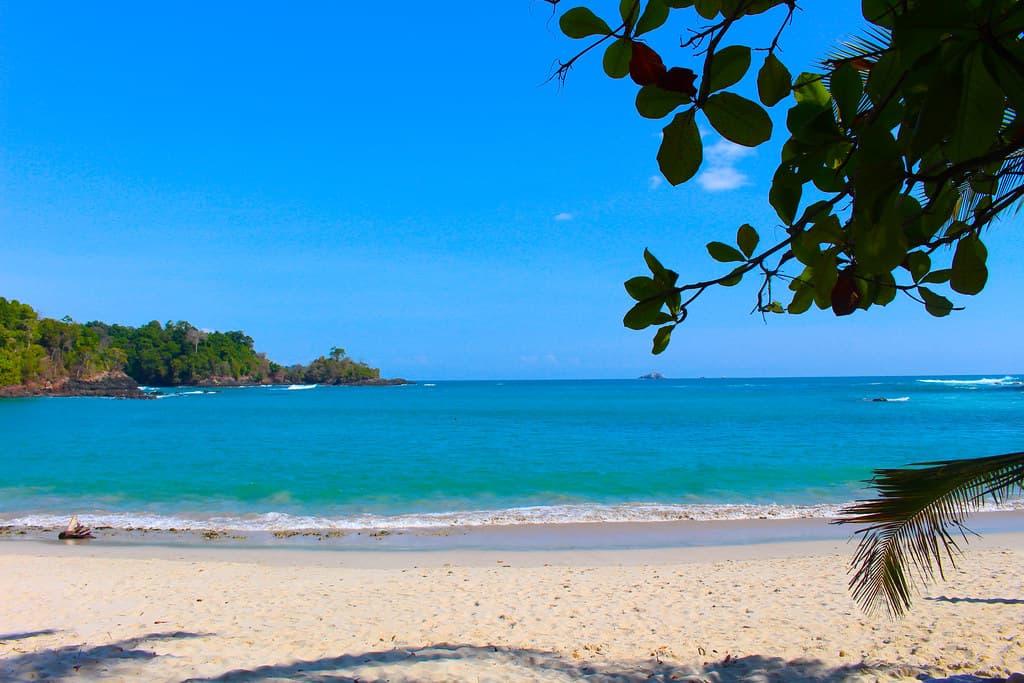
The beach unfolds for nearly half a kilometre along the Quepos-to-park road, accessible via multiple informal trails that drop through palm groves and past hand-painted signs advertising cabinas and casados. Unlike the regimented main beaches, Playitas maintains a come-as-you-are ethos—bodyboarders and longboarders coexist in the lineup, families claim the northern shade, and the southern stretch accommodates naturists seeking all-over tans without judgment. Waves here work best on medium southwest swells when the sandbars organize into predictable peaks. You'll find both rights and lefts, though they're mushy and forgiving—think longboard glide rather than critical drops. The beach break shifts constantly, so what worked yesterday may be a closeout today. Between sets, you'll float in bathwater warmth, watching frigatebirds hang motionless in thermals above the headland. The sand itself runs dark grey-brown, volcanic in origin, and the slope is gradual enough that low tide exposes fifty metres of hard-packed shore perfect for sunset jogging. As afternoon softens into evening, the scene shifts. Local surfers paddle in, beers emerge from coolers, someone inevitably has a bluetooth speaker playing cumbia or old-school reggae. The sunset faces west with no offshore islands to block the spectacle—just uninterrupted Pacific horizon where the sun drops like a punctured yolk. By dark, most visitors have dispersed, leaving the beach to courting couples and solo travellers nursing sundowner cocktails from nearby sodas.
Places, rentals, tours and events within walking and driving distance of Playa Playitas.
Photos
Playa Playitas can have challenging surf conditions that attract experienced surfers but may be risky for casual swimmers. Waves and currents are often stronger here than at protected park beaches. Check conditions before entering and respect the ocean's power. Surfers should assess their skill level honestly—beginners might prefer lessons at calmer beaches first. The beach has a local surf culture, so other surfers are usually around during good swells. Riptides can occur; if caught, swim parallel to shore. Avoid swimming alone, especially if you're unfamiliar with the area's conditions.
For surfing, consistent swells arrive during the rainy season (May to November), with particularly good waves from June to August. Dry season (December to April) offers better weather for sunbathing and beach activities, though surf may be less consistent. Sunset viewing is excellent year-round given the beach's western exposure. The beach attracts a relaxed local crowd, so any time can offer good vibes. Weekdays are quieter than weekends. Early morning and late afternoon provide the best light and often less intense heat. The alternative atmosphere is present year-round.
Playa Playitas is located at the northern end of Manuel Antonio beach area, accessible by road from Quepos or Manuel Antonio village. You can drive and find parking nearby, though availability varies during busy periods. Taxis from Quepos or Manuel Antonio are convenient and inexpensive. Local buses running between Quepos and Manuel Antonio can drop you close to access points. The beach is outside the national park, so there's no entrance fee. Access involves a short walk from the road, and the path is generally straightforward, though signage may be minimal.
Playa Playitas has fewer facilities than the main Manuel Antonio beaches, with limited beachfront development reflecting its alternative character. Small local establishments and beach bars may operate nearby, offering casual food and cold drinks, though availability varies. Bring your own supplies to be safe. The broader Manuel Antonio and Quepos areas offer extensive dining from budget sodas to fine dining. Accommodation ranges from surf camps and budget hostels to upscale hotels, mostly located along the main road rather than directly on this beach. The area attracts independent travelers and surfers.
Playa Playitas stands apart with its authentic surf culture and alternative, laid-back identity that contrasts with the more developed Manuel Antonio beaches. The beach has historically been known for its LGBTQ-friendly atmosphere and accepting vibe. Clothing-optional areas have been part of the beach's character, though this varies and discretion is advised. The combination of rideable waves, sunset views, and bohemian atmosphere attracts a diverse crowd seeking a less commercial beach experience. It feels more like a local hangout than a tourist destination, offering genuine cultural flavor and connection to Manuel Antonio's surf community.