
Your boat approaches a coastline built from dark volcanic stone, fractured and weathered into formations that catch spray with each incoming swell. Islas Negritos Biological Reserve protects a small archipelago where beaches, in the traditional sense, barely exist—instead, rocky platforms and narrow pebble pockets define the shoreline. You'll pick your footing carefully across barnacle-encrusted boulders to reach the water, where the real attraction waits below the surface.
“One of the few legally protected biological reserves in the Gulf of Nicoya where marine and avian ecosystems take absolute precedence over recreation.”
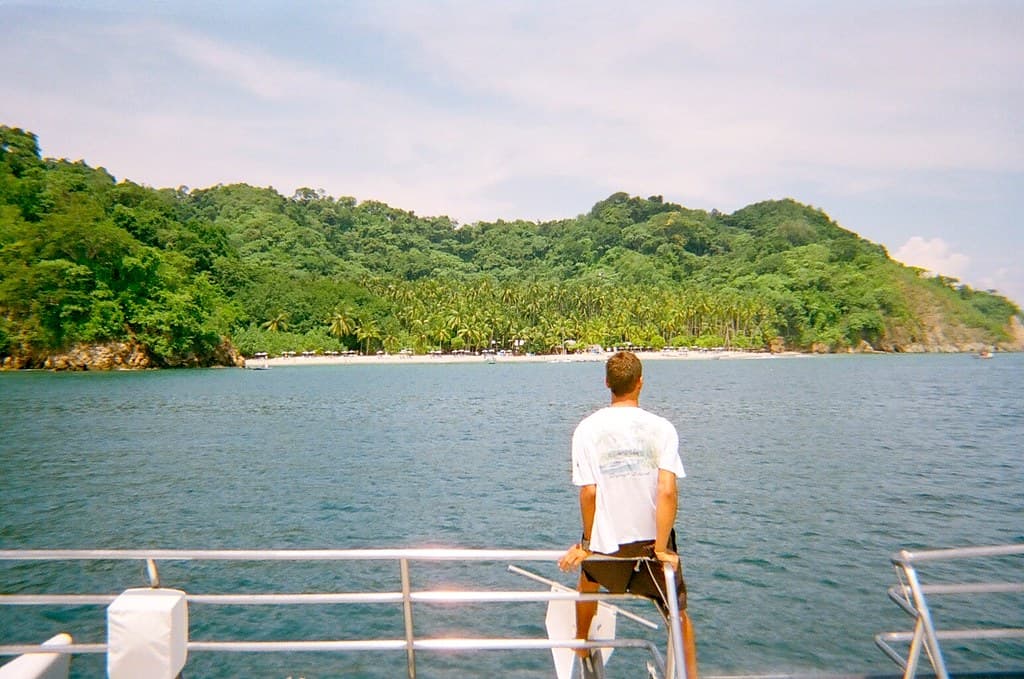 Credit: Flickr
Playa Islas Negritos — photo by Trevor.Huxham
Snorkeling here means navigating channels between submerged rocks, where parrotfish graze on algae and octopuses retreat into crevices at your approach. The water clarity varies with tide and season, but the marine life density remains consistent—this protected status has created a refuge that larger, more accessible beaches cannot match. Above the waterline, seabirds claim the island: brown boobies, magnificent frigatebirds, brown pelicans. Their guano streaks the dark stone white, and their calls echo across the narrow channels separating the islets.
This is not a beach for settling in with a novel and a cooler. The rocky terrain defies prolonged lounging, the lack of shade demands constant sun awareness, and the reserve rules prohibit disturbing wildlife or removing anything organic. What Islas Negritos offers instead is a glimpse of Gulf coastline functioning as nature designed it—no palapas, no groomed sand, no concessions to human comfort beyond the right to visit briefly and leave no trace.


