
Counting the waves…
Counting the waves…

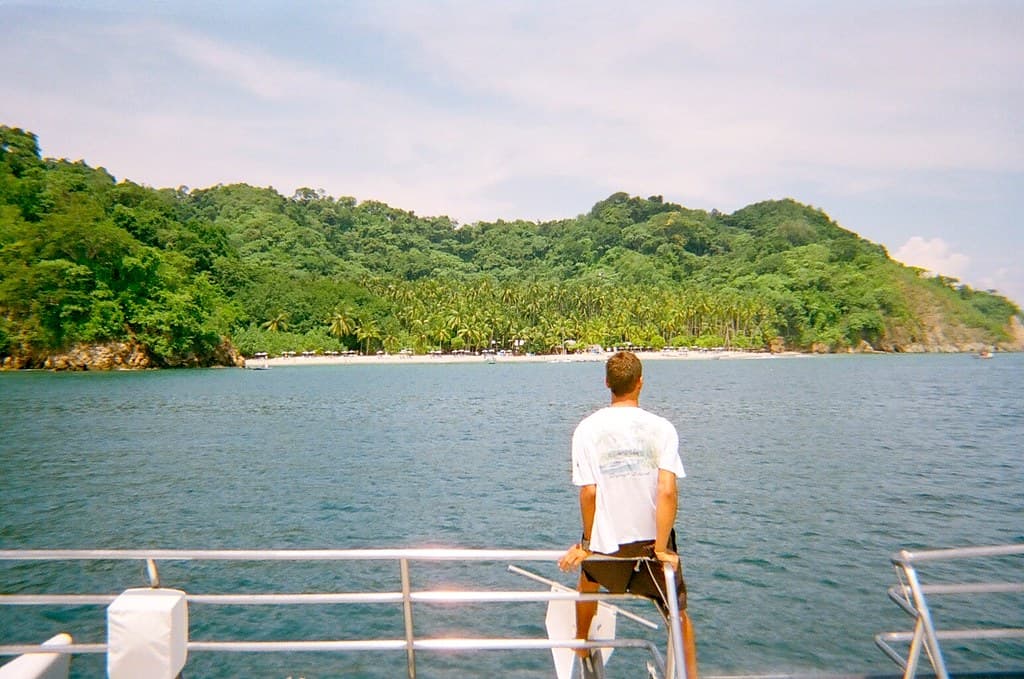
Your boat approaches a coastline built from dark volcanic stone, fractured and weathered into formations that catch spray with each incoming swell. Islas Negritos Biological Reserve protects a small archipelago where beaches, in the traditional sense, barely exist—instead, rocky platforms and narrow pebble pockets define the shoreline. You'll pick your footing carefully across barnacle-encrusted boulders to reach the water, where the real attraction waits below the surface. Snorkeling here means navigating channels between submerged rocks, where parrotfish graze on algae and octopuses retreat into crevices at your approach. The water clarity varies with tide and season, but the marine life density remains consistent—this protected status has created a refuge that larger, more accessible beaches cannot match. Above the waterline, seabirds claim the island: brown boobies, magnificent frigatebirds, brown pelicans. Their guano streaks the dark stone white, and their calls echo across the narrow channels separating the islets. This is not a beach for settling in with a novel and a cooler. The rocky terrain defies prolonged lounging, the lack of shade demands constant sun awareness, and the reserve rules prohibit disturbing wildlife or removing anything organic. What Islas Negritos offers instead is a glimpse of Gulf coastline functioning as nature designed it—no palapas, no groomed sand, no concessions to human comfort beyond the right to visit briefly and leave no trace.
Places, rentals, tours and events within walking and driving distance of Playa Islas Negritos.
Photos
Swimming at Playa Islas Negritos requires caution due to the rocky shoreline and potentially strong currents around the biological reserve islands. The rocky terrain makes water entry challenging in many spots. Snorkeling can be excellent in protected areas with good visibility, but conditions vary with tides and weather. Always snorkel with a buddy and stay aware of boat traffic, as these waters see fishing and tour vessels. There are no lifeguards or emergency services. The marine reserve status means rich underwater life, but respect wildlife and maintain safe distances from all creatures.
The dry season from December to April offers the best conditions for visiting and snorkeling at Playa Islas Negritos, with calmer seas and better underwater visibility. Water clarity is typically best in the early dry season (December-February) before plankton blooms. Mornings generally provide the calmest conditions and clearest water. The biological reserve sees few visitors year-round, so crowds are rarely a concern. During the rainy season, visibility may decrease and boat access becomes less predictable. Plan visits around incoming tides when possible, as marine life activity often increases.
Accessing Playa Islas Negritos requires private boat transportation, as these are protected biological reserve islands in the Gulf of Nicoya. Boats can be chartered from Paquera, Puntarenas, or other nearby coastal communities. Some tour operators offer snorkeling and wildlife-viewing excursions to the area, which may be the easiest option for visitors without boating experience. The journey time varies from 20 minutes to over an hour depending on your departure point. Confirm that your boat operator is authorized to approach the biological reserve and understands protected area regulations.
Playa Islas Negritos has zero facilities, services, or amenities of any kind. As a biological reserve island, the area is completely undeveloped and protected for conservation. Visitors must bring all necessary supplies including food, drinking water, snorkeling gear, sun protection, and first aid. There are no bathrooms, shelters, or trash receptacles. The nearest services are on the mainland in Paquera or other coastal towns. Most visitors come on organized day tours or private boat charters lasting a few hours. Pack out all waste and follow leave-no-trace principles in this sensitive reserve environment.
The Islas Negritos biological reserve status creates exceptional marine biodiversity rarely found at developed beaches. Protected waters allow fish populations, corals, and invertebrates to thrive without human interference. Rocky formations create diverse habitats with crevices, caves, and walls attracting various species. You may encounter tropical fish, rays, sea turtles, and seasonal visitors in healthy numbers. The relative isolation means pristine conditions and authentic wilderness snorkeling experiences. Unlike resort areas, the focus here is genuine marine ecosystem observation rather than manicured beach experiences, appealing to nature enthusiasts and serious snorkelers.