Counting the waves…
Counting the waves…
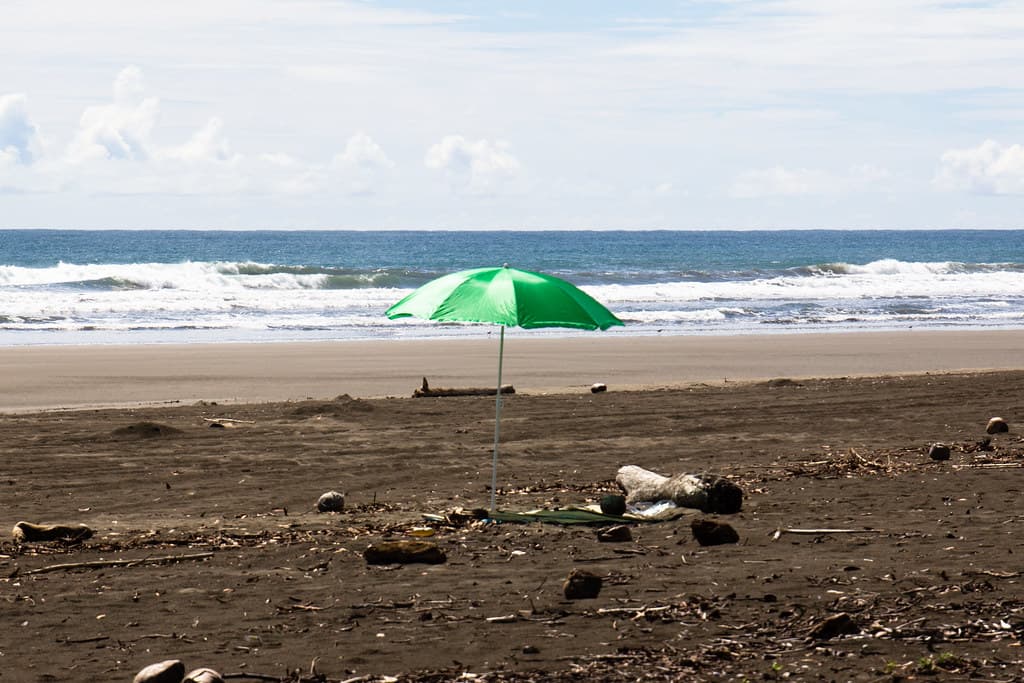
Playa Palma fronts a working village where the beach serves as main street, boat launch, playground, and communal front yard. Houses face the ocean directly, their porches offering front-row seats to weather rolling in across the Pacific. The sand is utilitarian—neither particularly fine nor particularly scenic, but firm enough to drive on and wide enough to accommodate the village's boats, pulled above the tide line and chocked with driftwood. Fishermen work their nets in the early morning, spreading them across the sand to check for tears, their fingers finding and mending holes with practiced efficiency. By eight, the boats are back in the water, motors puttering toward the horizon. What returns by noon gets sold from coolers on the beach itself: snapper, corvina, small tuna still rigid with cold. Village children treat the sand as an extension of their yards, playing futbol with goals marked by flip-flops, splashing in the shorebreak between school and dinner. The beach curves gently northward toward Bejuco, backed by palms and almond trees that provide reliable afternoon shade. At high tide, the ocean comes within meters of the houses; at low tide, the strand widens to reveal tide pools and patches of dark volcanic rock. Sunset brings the village out: families walk the hard-packed sand near the waterline, couples sit on boat gunwales, and someone usually builds a small fire to grill whatever didn't sell at midday.
Places, rentals, tours and events within walking and driving distance of Playa Palma.
Photos
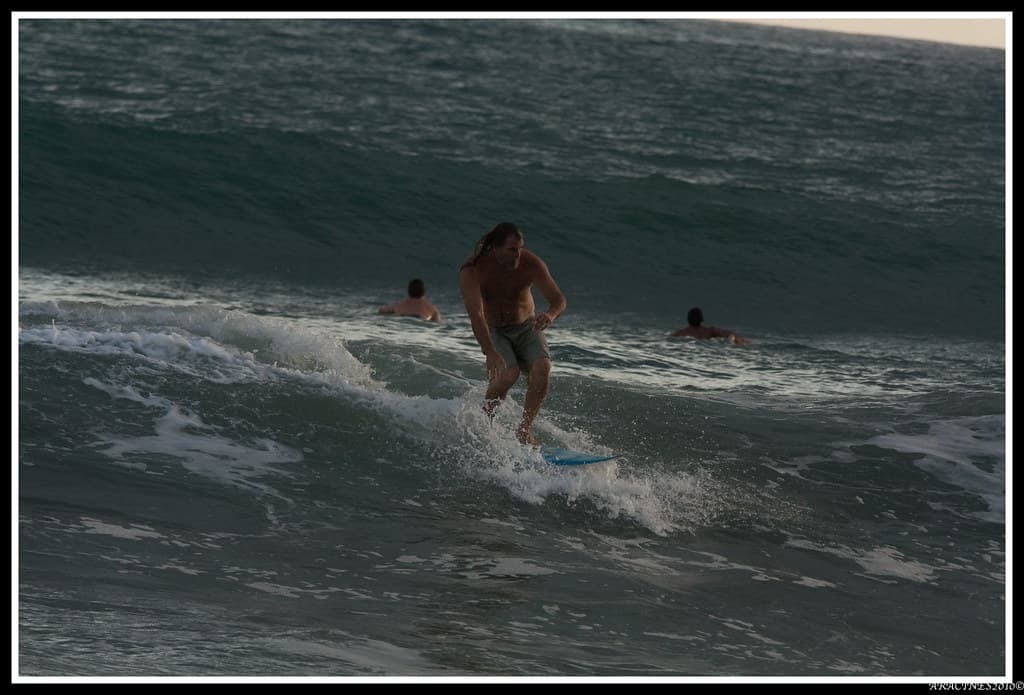
Playa Palma has typical Pacific Central Coast conditions with moderate to strong surf and occasional rip currents. Swimming is possible but requires caution, especially during high tide or afternoon swells. The beach lacks lifeguard services, so swimmers should stay close to shore and avoid swimming alone. Families with young children should supervise closely. The sandy bottom generally slopes gradually, but waves can be unpredictable. Always check local conditions before entering the water and ask locals about current safety.
Playa Palma is ideal during the dry season (December through April) for the best weather, though it remains relatively uncrowded year-round. The green season (May to November) offers budget advantages with lower accommodation rates and fewer visitors, though afternoon rains are common. For absolute solitude, visit on weekdays outside Costa Rican holidays. Early mornings and late afternoons provide the best light for the scenic surroundings and spectacular sunsets. The beach's hidden nature means it never gets as busy as nearby tourist hotspots.
Playa Palma is located near Parrita, approximately 90 minutes south of San José via the Costanera Sur highway. From San José, drive west toward Jacó, then continue south past Esterillos toward Parrita. The beach is accessed via local roads near the village. Public buses run from San José to Parrita regularly, though you may need a taxi for the final stretch to the beach. A 4x4 vehicle isn't typically required but rental cars offer the most flexibility for exploring this quieter coastline.
Playa Palma and nearby Parrita offer limited but authentic local dining, primarily small sodas (Costa Rican cafeterias) serving traditional casados, fresh seafood, and typical dishes at budget-friendly prices. Accommodation ranges from basic cabinas to small family-run hotels and vacation rentals, generally more affordable than major tourist areas. For wider selection, neighboring Bejuco and Esterillos offer additional restaurants and lodging. Don't expect luxury resorts or international cuisine; the area caters to local visitors and travelers seeking authentic, low-key Costa Rican coastal experiences.
Playa Palma stands out for its genuine local character and lack of tourism development. Unlike nearby Jacó or Manuel Antonio, this small village beach maintains an authentic Costa Rican atmosphere where you'll interact primarily with locals rather than tourists. The beach offers genuine escape and tranquility without resort complexes or crowded beach clubs. Its position between better-known beaches means most visitors simply drive past, leaving long stretches of sand virtually empty. It's perfect for travelers seeking budget-friendly, off-the-beaten-path experiences and spectacular sunsets without tourist infrastructure.