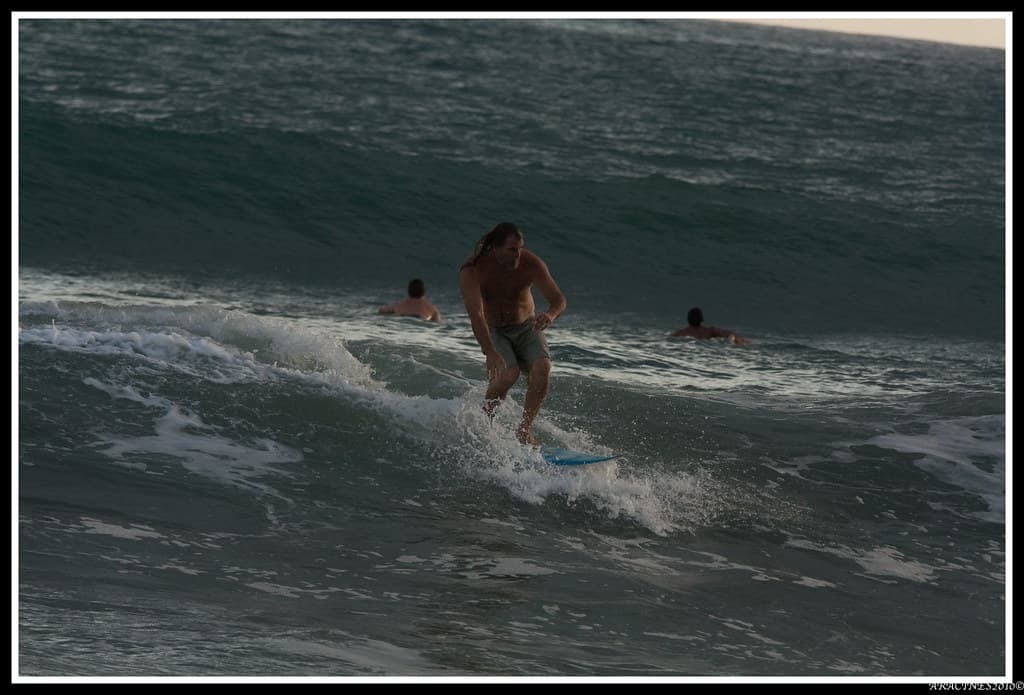
Counting the waves…
Counting the waves…
The sand here holds the color of wet asphalt, compressed hard enough in places that bicycles leave narrow trails paralleling the tide line. Coconut palms lean at improbable angles behind the beach, their roots exposed where storms have clawed away dunes. On weekdays you'll share the strand with oystercatchers and the occasional Tico family who've driven the potholed access road for a Sunday picnic beneath rented shade. Waves arrive in sets that sound like distant freight trains, grey-green walls collapsing into foam that races up the slope before retreating in ribbons. The water stays murky year-round—river sediment mixing with oceanic churn—but local children plunge in without hesitation, their laughter audible above the surf's percussion. Driftwood logs bleached silver by sun and salt mark the high-tide boundary, some thick as telephone poles. Sunset transforms the monochrome palette: tangerine light spills across wet sand, turning the beach molten copper. Pelicans skim the swells in formation while frigatebirds hang motionless overhead, black silhouettes against bruised purple clouds. By the time darkness arrives, you'll count more stars than porch lights along the entire coastline.
Places, rentals, tours and events within walking and driving distance of Playa Palo Seco.
Photos
Swimming conditions at Playa Palo Seco should be approached with caution. As a Pacific-facing beach, it can experience strong waves and currents typical of Costa Rica's central coast. There are no lifeguard services available. The beach's long, open nature means conditions vary along its length. Families should supervise children closely and stay in shallow areas. Local knowledge is valuable—ask residents about current conditions before entering the water. The beach is generally better suited for walking, beachcombing, and enjoying the scenery than extensive swimming.
Playa Palo Seco remains relatively uncrowded year-round due to its hidden, off-the-beaten-path location. The green season (May through November) offers the quietest experience with budget-friendly accommodation rates, though expect afternoon rain showers. Weekdays are significantly quieter than weekends when some Costa Rican families visit. The dry season (December through April) brings better weather but still maintains manageable visitor numbers compared to famous beaches. For the best combination of solitude and pleasant weather, consider visiting during May or November when conditions transition between seasons.
Playa Palo Seco is accessed through the town of Parrita on Costa Rica's central Pacific coast. From San José, drive approximately two hours via Route 27 to the coast, then south on the Costanera Sur (Route 34) to Parrita. From Parrita town center, follow local roads toward the coast—signage may be limited, so GPS or asking locals helps. Public buses run from San José to Parrita, though reaching the beach requires a taxi or local transport from town. A rental car provides the most convenient access to this more remote beach.
Accommodation options near Playa Palo Seco are limited and tend toward simple, locally-owned lodgings and vacation rentals rather than large resorts. The nearby town of Parrita offers basic hotels and more services. Dining options include local sodas serving traditional Costa Rican cuisine and fresh seafood. The area caters to travelers seeking authentic, low-key experiences rather than tourist amenities. Bringing supplies from Parrita or larger towns is advisable. More extensive accommodation and dining choices are available in Jacó (north) or Quepos (south), both within reasonable driving distance.
Playa Palo Seco's defining feature is its barrier-beach geography and genuinely undiscovered character. The long, spacious sands offer a sense of solitude rare on Costa Rica's increasingly developed Pacific coast. Unlike resort-dominated beaches, Palo Seco maintains an authentic village atmosphere where tourism remains secondary to local life. The beach provides a glimpse of traditional coastal Costa Rica before major development. Its location near Parrita places it off most tourist routes, appealing to travelers seeking quiet natural beauty and space to explore without crowds, making it ideal for peaceful beach walks and genuine cultural interaction.