Counting the waves…
Counting the waves…
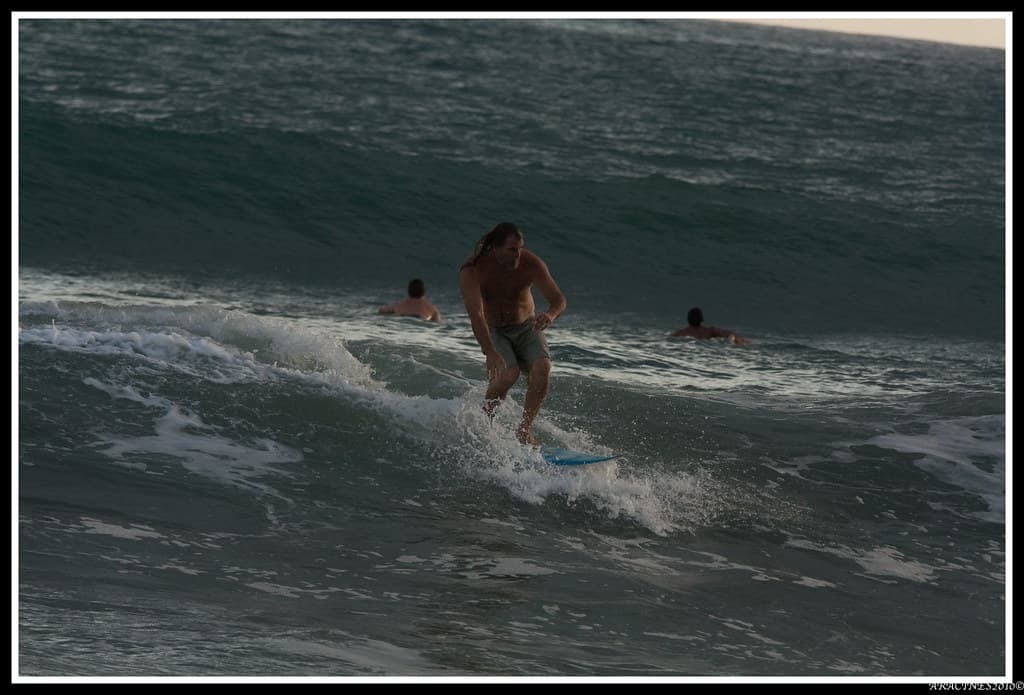
Palo Seco unfolds like the frontier coast it resembles—wide, windswept, and largely empty. The sand here is dark volcanic grit that heats quickly underfoot, scattered with sun-bleached logs dragged down by rivers during rainy season. White-faced capuchins occasionally venture from the mangrove fringe to raid beach almond fruits, and vultures circle the treeline where the forest meets the shore. The surf pounds relentlessly, building into grey-green barrels that collapse in roaring walls of whitewater. Rip currents carve channels through the sandbars, and the undertow has enough pull to make swimming a serious proposition. Surfers drive up from Quepos for the uncrowded peaks, paddling out near the rivermouth where the current offers an easy path through the break. Between sets, you can see fishing boats working the offshore waters, their outriggers silhouetted against the sky. Sunset here is an event of scale and drama. The clouds stack up in towering columns above the Pacific, backlit in shades of copper and rose, while the wet sand reflects the sky like hammered metal. You'll stand at the edge of the continent, salt wind in your face, watching the light drain from the world. There are no hotels blocking the view, no beach clubs, no tiki torches—just the elemental meeting of land, sea, and sky that defined this coast before tourism arrived.
Places, rentals, tours and events within walking and driving distance of Playa Palo Seco.
Photos
Swimming at Playa Palo Seco requires caution due to strong Pacific currents and powerful waves typical of this exposed coastline. The beach is better suited for experienced swimmers and surfers. Riptides can be present, especially during high tide, so stay close to shore if you're not confident. There are no lifeguards on duty. The remote location means help is not immediately available, so always swim with a companion and avoid going in if conditions look rough.
The best time to visit Playa Palo Seco is during Costa Rica's dry season from December through April, when you'll enjoy sunny skies and calmer seas. However, visiting during the shoulder months of May or November offers fewer crowds while still providing decent weather. Early mornings and late afternoons provide the most dramatic lighting for the expansive beach views. Sunset is particularly spectacular here with unobstructed ocean horizons. Weekdays are significantly quieter than weekends when locals may visit.
Playa Palo Seco is located approximately 10-15 minutes north of Quepos. Drive north on the coastal highway and look for signed turnoffs leading toward the ocean. A 4x4 vehicle is recommended during rainy season as access roads can be rough and muddy. Public transportation doesn't run directly to the beach, so most visitors drive or hire a taxi from Quepos. The final approach may involve driving through rural areas and possibly fording small streams, adding to the remote adventure feel.
Playa Palo Seco has very limited facilities directly on site, reflecting its remote character. You'll find most accommodation and dining options back in Quepos, about 15 minutes away, which offers everything from budget hostels to upscale hotels and numerous restaurants. Some small eco-lodges and vacation rentals exist in the rural areas surrounding the beach. It's wise to bring your own food, water, and supplies for a beach day, as there are no vendors or services on this isolated stretch of coastline.
Unlike the crowded beaches of nearby Manuel Antonio, Playa Palo Seco offers a true sense of solitude with its long, undeveloped coastline and barrier-beach geography. The expansive sky and open ocean create a dramatic, almost wild atmosphere that contrasts sharply with resort beaches. It's ideal for those seeking peaceful walks, surf fishing, or simply escaping tourist crowds. The remote location means you'll often have long stretches entirely to yourself, making it perfect for contemplative beachcombing or photography of pristine coastal landscapes.