Counting the waves…
Counting the waves…

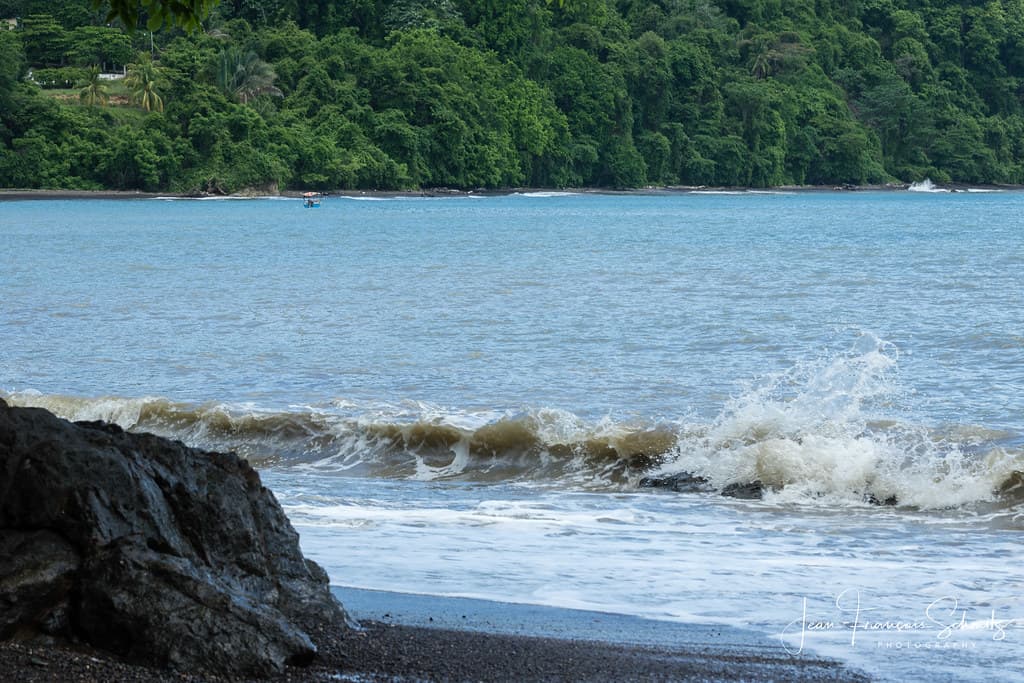
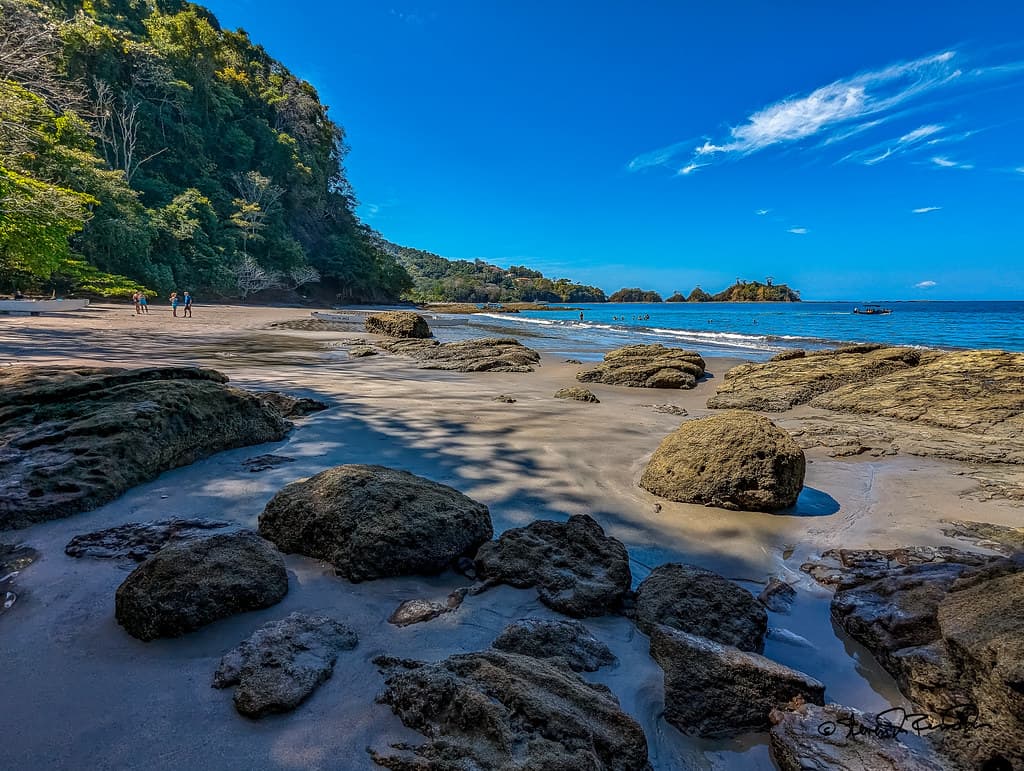
Playa Tárcoles spreads wide and workmanlike at the mouth of the Río Tárcoles, its dark sand littered with the evidence of industry—coiled rope, net floats, wooden pangas hauled above the tide line and shaded under blue tarps. This is not a groomed resort beach. It's a functional space where men leave before sunrise to fish and return by mid-morning to clean the catch, where pelicans and frigatebirds loiter expectantly, where the smell of diesel and salt and fish guts mingles in the humid air. The river mouth creates a dynamic margin, freshwater stained red with highland sediment pushing into the Pacific's darker blue. This mixing zone attracts wildlife in absurd concentrations—crocodiles bask on sandbars visible from the bridge upstream; herons and egrets work the shallows; offshore, dolphins sometimes arc through the swells. The beach itself curves north toward Herradura, offering long walking stretches at low tide when the sand firms and the sun hasn't yet made it unbearable. By evening, when the fishing boats are secured and the day's drama has settled, the beach transforms. The sun drops into the Pacific with the saturated drama Central Pacific sunsets deliver reliably, painting the sky in shades of mango and guava. Local families arrive with coolers and folding chairs, kids splashing in the shorebreak while adults share beer and conversation. It's unpolished, authentic, alive—the kind of beach that serves a community first and accommodates visitors as an afterthought.
Places, rentals, tours and events within walking and driving distance of Playa Tárcoles.
Photos
Playa Tárcoles is a working village beach where local families gather, giving it an authentic atmosphere. Swimming safety varies with conditions, and parents should supervise children closely as there are no lifeguards. The beach is near the Tárcoles River, famous for crocodiles, so avoid swimming near the river mouth and stay in designated beach areas. The village setting is generally safe during daylight hours. As with any beach, watch personal belongings and follow standard safety precautions while enjoying the local vibe.
The dry season from December through April offers the best weather with consistent sunshine and minimal rain, ideal for beach activities and sunset watching. For budget travelers, the green season from May to November can offer better accommodation rates in the area, though afternoon rains are common. The beach serves the local community year-round, so you'll experience authentic village life whenever you visit. Weekends see more local families, while weekdays are quieter. Sunset time is particularly beautiful regardless of season.
Playa Tárcoles is easily accessible from the coastal highway connecting San José to Jacó and the central Pacific. The village of Tárcoles is clearly marked along Highway 34. From San José, drive west on Highway 27 then south on the coastal road; the trip takes approximately 90 minutes. From Jacó, head north for about 20-25 minutes. The famous Tárcoles River Bridge, where tourists stop to view crocodiles, is adjacent to the village. Public buses running between San José and Jacó stop in Tárcoles.
Tárcoles village has several local sodas and small restaurants serving traditional Costa Rican cuisine at budget-friendly prices, offering fresh seafood and casados (typical plates). Accommodation options in the immediate village are limited but authentic. Nearby you'll find a range of hotels and eco-lodges, particularly along the road toward Jacó. Many visitors base themselves in Jacó and visit Tárcoles for the day to see crocodiles and visit Carara National Park. The village provides a genuine taste of local coastal life.
Playa Tárcoles offers an authentic working village beach experience rather than a developed tourist destination. It serves as the gateway to Carara National Park and the famous crocodile-viewing bridge over the Tárcoles River. The beach reflects real Costa Rican coastal life, where fishing boats land and local families gather. The relaxed vibes and lack of tourist commercialization appeal to travelers seeking genuine cultural experiences. Its proximity to wildlife attractions and position between San José and Jacó make it a convenient, authentic stop along the Pacific coast.