
Counting the waves…
Counting the waves…

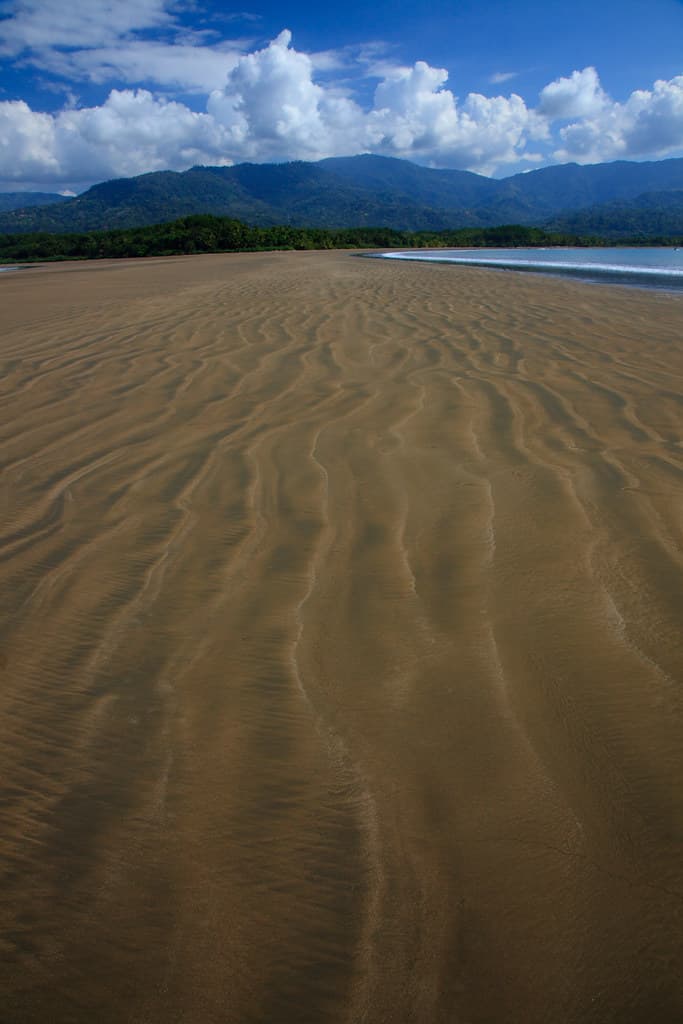
The paved road terminates at a gravel lot where vendors sell coconuts hacked open with machetes and rent beach chairs to visitors who forgot their own. A short walk through groomed trails deposits you onto blonde sand that shelves gently into bathwater-warm shallows protected by offshore reefs. This is where the national park begins, and the difference shows immediately: no litter, maintained facilities, and marked trails that wind through coastal forest alive with howler monkeys announcing territorial claims from the canopy. At mid-to-low tide, the famous tombolo emerges—a curved sandbar extending hundreds of meters offshore in the shape of a humpback's tail, the geological feature that inspired the park's name. You can walk the spine of sand with ankle-deep water on both sides, watching herons stalk the tidal flats and hermit crabs conduct their endless real-estate swaps among abandoned shells. Snorkelers work the coral heads on the tombolo's eastern edge, where parrotfish crunch through brain coral and sergeant majors defend their territories against anyone who ventures too close. Sunset at Colonia operates on a reliable schedule: the sun drops behind Caño Island on the horizon, painting the sky in bands of saffron and rose while the water turns molten. Families pack up coolers, rinse sand from toddlers under the outdoor showers, and queue at the exit gate as the light fades. By the time Venus appears, the beach returns to the night herons and ghost crabs, the tombolo already disappearing beneath the incoming tide.
Places, rentals, tours and events within walking and driving distance of Playa Colonia.
Photos
Playa Colonia generally offers reasonable swimming conditions for families, though typical Pacific caution applies. The beach is part of Marino Ballena National Park and benefits from relatively consistent wave patterns. Conditions are calmest during dry season and at certain tide stages. Always supervise children, as there are no lifeguards. The beach's popularity means other people are usually around, providing some security. Currents can be present, so stay aware and don't venture too far out. The sandy bottom and gradual slope make entry easier for families than rocky beaches.
Playa Colonia is famous for spectacular Pacific sunsets, so late afternoon from around 4-6pm offers the most dramatic views and photo opportunities. However, this is also the busiest time. For fewer crowds, visit in early morning when the beach is peaceful and the light is beautiful for different photography. Mid-week visits are quieter than weekends. During dry season (December-April), you'll enjoy the most reliable weather. Tide timing also matters—check charts for optimal beach conditions, as lower tides reveal more beach area for walking and activities.
Playa Colonia is one of the main access points for Marino Ballena National Park and is well-signed from Uvita. Follow signs toward the park entrance, which is just a short drive from central Uvita—typically 5-10 minutes. The road is paved most of the way and accessible by standard vehicles year-round. There's designated parking near the beach entrance where you'll pay the national park fee. From the parking area, it's a short walk to the beach. The easy access makes it one of the most convenient beaches in the Ballena area.
Playa Colonia benefits from its proximity to Uvita, which offers numerous restaurants, cafes, and lodging options within a 5-15 minute drive. You'll find everything from budget hostels to upscale eco-lodges and beachfront hotels. The beach itself has limited facilities—mainly the park infrastructure—so most visitors base themselves in Uvita town. Some small sodas and restaurants exist along the access road. Many hotels and rentals in the Uvita-Ballena area are within easy reach, offering ocean views, pools, and quick beach access for sunrise or sunset visits.
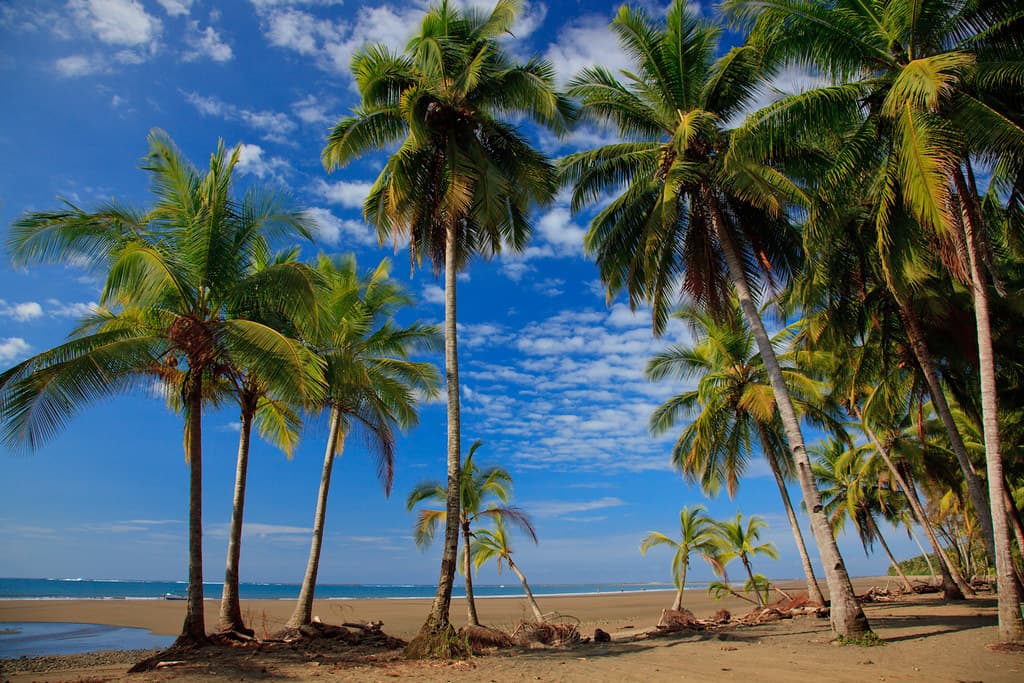
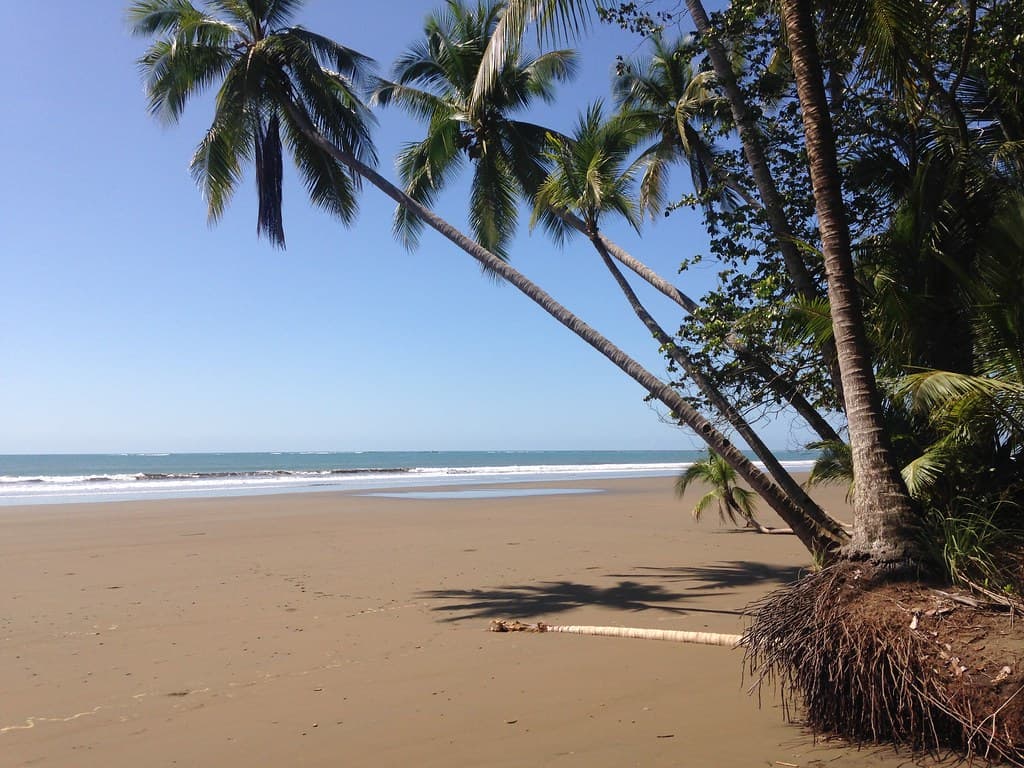
Playa Colonia's popularity stems from its easy access, beautiful sunset views, and role as a main entrance to Marino Ballena National Park. The combination of convenience and natural beauty attracts both tourists and locals. The beach offers classic Pacific scenery with palm trees, golden sand, and unobstructed ocean horizons perfect for sunset photography. Facilities and infrastructure are better developed than more remote beaches. Its connection to the park means visitors can explore the famous whale tail formation at low tide while enjoying a more accessible beach experience than hidden coves require.