Counting the waves…
Counting the waves…

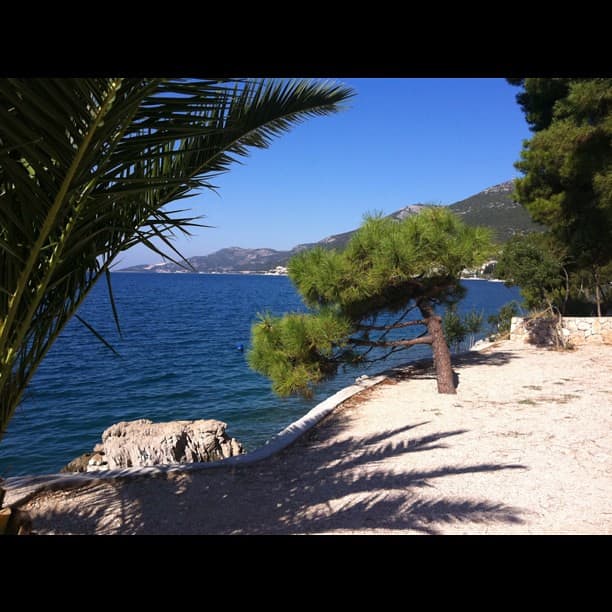
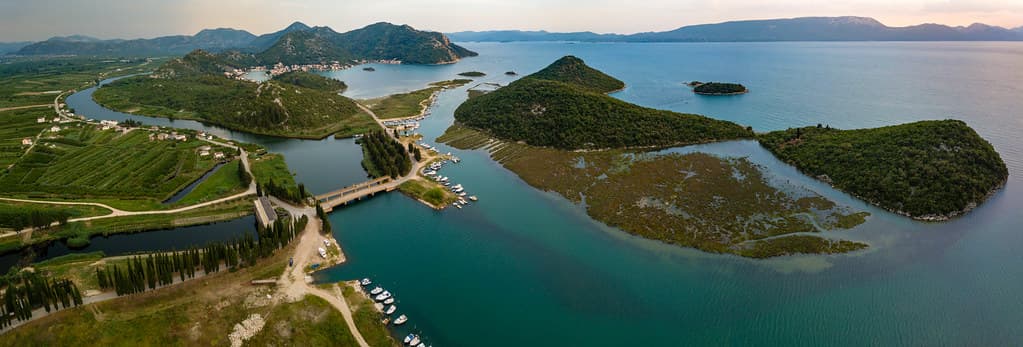
The settlement is so minor you might drive past without noticing—a gap in the coastal vegetation, a weathered sign, a dirt track descending toward water. The beach occupies a shallow bay where pebbles the size of quail eggs slope gently into the Adriatic. A concrete ramp serves the few locals who moor small boats here, their hulls bleached by sun and salt, outboard motors tilted up to avoid the seabed. You'll have the shore to yourself except for the occasional resident coming to check their vessel or swim a few quick laps before lunch. The water clarity is remarkable—you can watch hermit crabs scuttle across the pebble bottom fifteen feet down, see schools of tiny fish shift direction in perfect synchrony. The absence of any commercial presence means no loungers, no umbrellas, no music, just the sound of wavelets sorting pebbles and the hum of cicadas in the scrub behind the beach. Pelješac rises across the channel, close enough to distinguish individual cypress trees on its slopes. By afternoon the sun beats directly overhead, the pebbles almost too hot to stand on, driving you into water that feels cool and silky. A single bench sits in the shade of a fig tree, its wood polished smooth by years of use, overlooking the tiny bay. When you leave, the beach returns to its private stillness, as if your visit never occurred.
Places, rentals, tours and events within walking and driving distance of Duboka Beach.
Photos
Duboka Beach offers safe swimming conditions typical of small Croatian coastal settlements. The pebble beach provides stable entry into generally calm Adriatic waters. The tiny village setting means limited facilities and likely no lifeguard presence, so swimmers should be confident and exercise caution. The beach's family-friendly character among locals suggests good safety conditions, though always supervise children closely. Water shoes are recommended for comfortable pebble navigation. Check weather and sea conditions before swimming, particularly if winds have been strong.
Duboka Beach remains exceptionally quiet throughout the year due to its tiny coastal settlement location. Even during peak July-August season, this hidden beach sees minimal crowds compared to major Croatian destinations. For optimal conditions with virtually no visitors, come in June or early September when weather is excellent and tourism minimal. Weekdays offer more solitude than weekends when occasional Croatian families might visit. The beach's obscurity means you'll likely find peaceful conditions whenever you visit, making it ideal for travelers seeking true seclusion.
Duboka Beach is located in a very small coastal settlement in southern Dalmatia, accessible via local roads off the main coastal highway (D8). The village may not appear prominently on all maps, so using GPS coordinates or detailed regional maps helps. From Dubrovnik or Makarska Riviera towns, follow the coastal road and watch for small village signs. Parking is informal and limited given the settlement's size. A rental car is practically essential for reaching this remote location, as public transport options are extremely limited or non-existent.
Duboka's tiny size means facilities are minimal to non-existent. Accommodation consists primarily of a handful of private apartments or rooms if available, requiring advance booking and local contact. Don't expect restaurants, shops, or beach amenities—bring all supplies including food, water, and beach equipment. The nearest services are in larger nearby towns requiring a drive. This extreme simplicity is precisely what attracts travelers seeking completely undeveloped coastal experiences. The lack of commercialization preserves Duboka's authentic, untouched character.
Duboka Beach appears in few travel guides because it's part of an exceptionally small, little-known coastal settlement with virtually no tourist infrastructure. Most travelers follow established routes between major destinations, completely bypassing tiny villages like Duboka. The absence of hotels, restaurants, and marketed attractions means tourism boards don't promote it. Limited accessibility and facilities make it unsuitable for typical tourists seeking amenities. This obscurity preserves its pristine, authentic character, appealing specifically to adventurous travelers who value discovering truly hidden, unspoiled coastal spots over convenience.