Counting the waves…
Counting the waves…
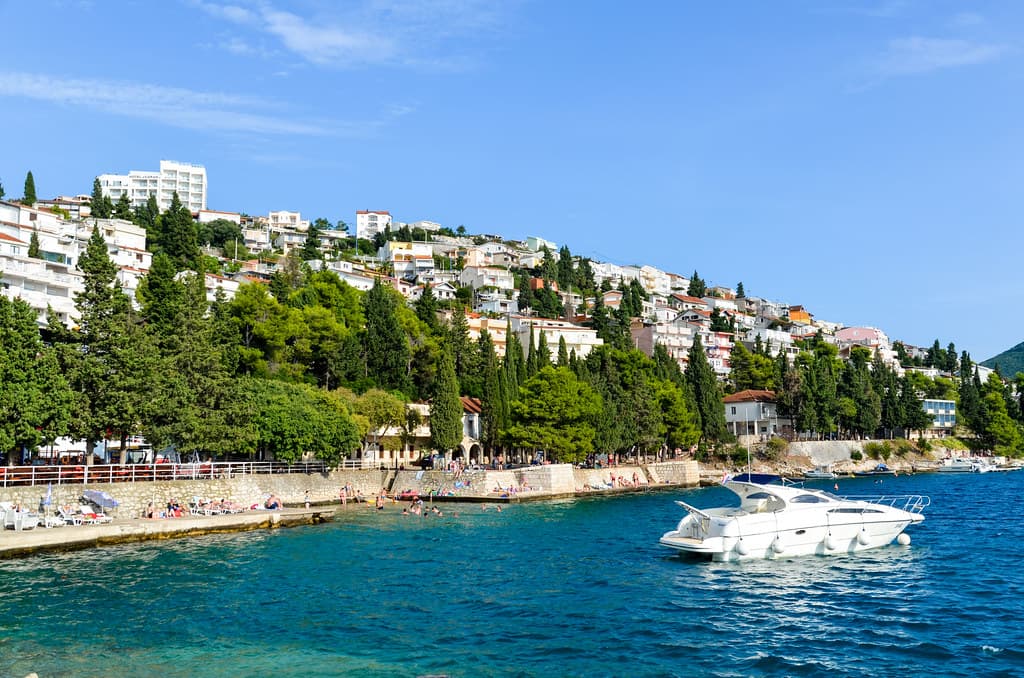
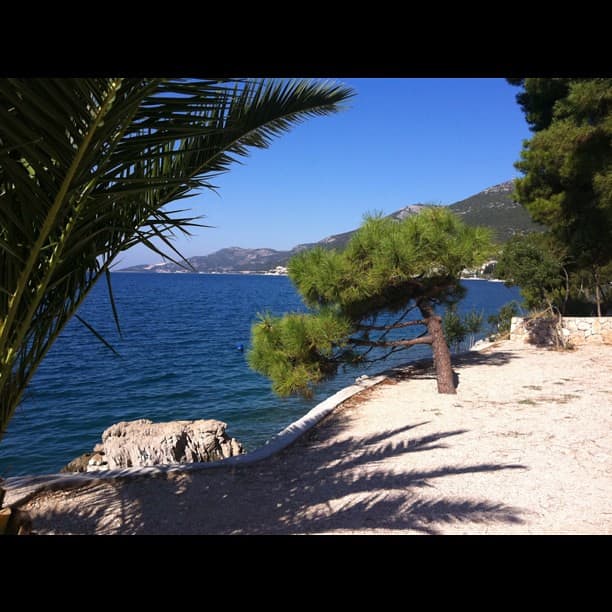
The waterfront here doesn't pretend to be anything other than what it is: a neighborhood beach where locals string up umbrellas in the same spots their parents did, and visiting families claim patches of shore by nine a.m. The pebbles are pale gray and tan, clicking underfoot as you pick your way toward the shallows. Behind you, a low seawall separates the beach from the road; across the asphalt, café terraces hum with the rattle of espresso cups and Croatian pop radio. Wade in and you'll notice the water shifts cooler in patches—fingers of the Neretva Delta reaching this far south, carrying a faint mineral taste and a swirl of sediment after rain. On clear days, the salt reasserts itself a dozen meters out, the temperature evening back to Adriatic warmth. Children cluster where the seabed levels off, barely waist-deep for thirty meters, while teenagers dive from a concrete pier that juts south toward the channel. The view stretches across to the Pelješac Peninsula, its spine of mountains softened by afternoon haze. Fishing boats chug past, heading for moorings near the ferry dock. By late afternoon, the beach empties except for a few sunbathers angling for the last rays, and the smell of grilled sardines drifts down from the restaurants lining the promenade.
Places, rentals, tours and events within walking and driving distance of Klek Beach.
Photos
Klek Beach is generally safe for swimming with calm waters typical of this protected coastal area. The pebble beach offers good visibility and gentle entry, making it suitable for families with children. As with any beach, supervise children closely and be aware of occasional boat traffic from the nearby Neretva channel. The beach's urban location means facilities and assistance are readily available. Check local conditions during your visit, as summer weather is typically stable with minimal waves.
The best time to visit Klek Beach is June through September when weather conditions are most favorable for swimming and sunbathing. July and August offer the warmest water temperatures but also the most crowds. For a balance of good weather and fewer tourists, consider visiting in early June or September. The beach benefits from South Dalmatian sunshine with minimal rainfall during summer months. Mornings tend to be quieter if you prefer a more peaceful experience.
Klek Beach is accessible via the coastal Adriatic Highway (D8) running through South Dalmatia. The village of Klek sits approximately 100 kilometers northwest of Dubrovnik and about 70 kilometers southeast of Split. If driving, follow signs to Klek village; the beach is centrally located and easy to find. Limited parking is available near the beach. Public buses traveling the coastal route between Split and Dubrovnik stop in Klek, making it accessible without a car.
Klek is a small resort village offering basic accommodation options including apartments, guesthouses, and small family-run hotels. The urban setting provides convenient access to local restaurants and konobas serving traditional Dalmatian cuisine, fresh seafood, and Croatian specialties. You'll find cafes and small shops for essentials near the beach. For wider selection of dining and lodging, larger towns like Ploče are nearby. Book accommodation in advance during peak summer season for best availability.
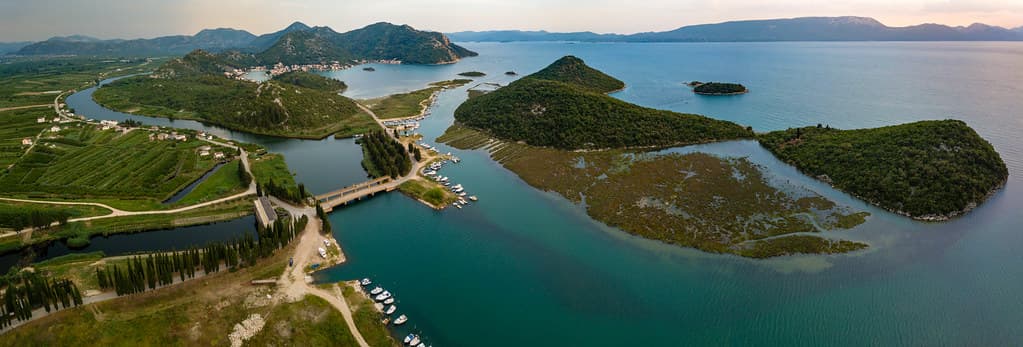
Klek Beach's distinctive feature is its location near the Neretva River channel and the border between Dubrovnik-Neretva and Split-Dalmatia counties. This position offers unique views across the channel and convenient access to both the Neretva Delta region and the Pelješac Peninsula. The beach serves as a quieter alternative to busier Makarska Riviera resorts while maintaining good facilities. Its proximity to the Neretva outlet creates interesting geographical and ecological characteristics not found at typical coastal beaches.