
Counting the waves…
Counting the waves…
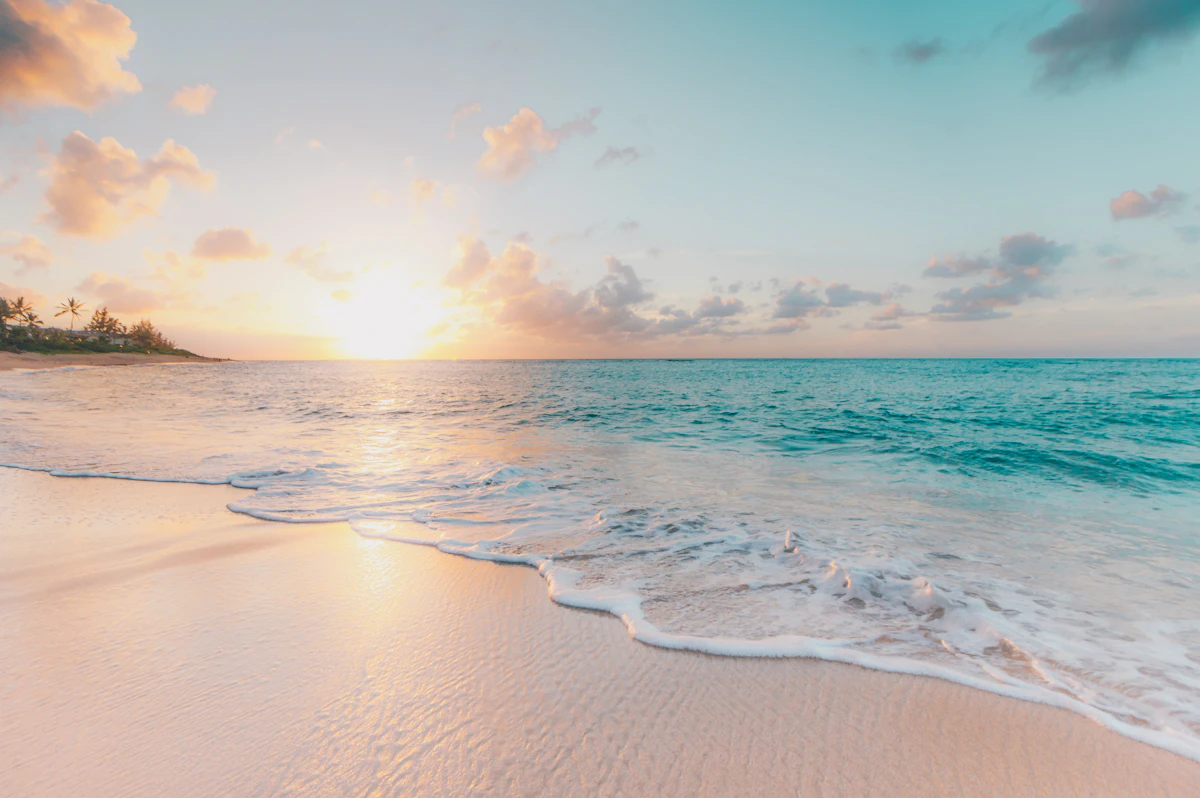
Playa Cayo Anclitas is not merely a beach; it's an expedition. Located deep within the protected Jardines de la Reina, this island sanctuary is a testament to untouched Caribbean beauty. Access is exclusively by boat, adding an element of adventure to your journey as you navigate the azure waters towards its pristine shores. The moment your vessel nudges the soft, white sand, you're transported to a world where nature reigns supreme. The waters surrounding Cayo Anclitas are a diver's dream, boasting visibility that stretches for meters and revealing a vibrant underwater tapestry. Coral gardens teem with colorful fish, graceful rays, and even the occasional reef shark, making every snorkel or dive an unforgettable encounter. Above the surface, the beach itself is a postcard-perfect expanse of powdery sand, fringed by sparse, wind-sculpted vegetation. This remote cay offers more than just sun and sand; it's a vital part of a thriving marine ecosystem. Visitors are encouraged to tread lightly, preserving the delicate balance of this natural wonder. Whether you're exploring the depths, basking in the sun's warmth, or simply marveling at the sheer isolation, Playa Cayo Anclitas promises an experience that reconnects you with the raw, untamed spirit of the Caribbean.
Places, rentals, tours and events within walking and driving distance of Playa Cayo Anclitas.
Photos
Swimming at Playa Cayo Anclitas is generally safe in the clear, warm Caribbean waters surrounding this remote cay. The protected Jardines de la Reina location means relatively calm conditions, though currents can exist around the cay's edges. Important considerations include the complete absence of lifeguards, medical facilities, or emergency services due to the extreme remoteness. The area is known for healthy shark populations, particularly around reefs, though they rarely pose danger to swimmers. Always swim with companions, stay close to your boat, and follow safety protocols from your tour operator or dive guide.
Plan your visit to Playa Cayo Anclitas during November through April for optimal weather conditions, calm seas, and the best underwater visibility for diving and snorkeling. This dry season period offers sunshine, minimal rainfall, and comfortable temperatures. The remote location means fewer crowds year-round, but boat access is most reliable during these months. March and April provide particularly excellent diving conditions with warm water and great visibility. Avoid September and October during peak hurricane season when sea conditions can be dangerous and tour operators may suspend trips to the archipelago.
Playa Cayo Anclitas is accessible only by boat, typically as part of organized dive or fishing expeditions to Jardines de la Reina. Most trips depart from Jucaro on Cuba's southern coast, requiring a 2-4 hour boat journey depending on sea conditions and specific cay location. You must book through authorized tour operators as the archipelago is a strictly protected marine park with controlled access. Independent travel is not permitted. The journey usually involves traveling from major cities like Havana or Camagüey to Jucaro, then boarding specialized dive boats or fishing vessels for the offshore voyage.
There are no permanent structures or facilities on Playa Cayo Anclitas itself. Visitors stay on live-aboard dive boats or floating hotels anchored in the Jardines de la Reina archipelago, operated by licensed tour companies. All meals are provided aboard these vessels as part of all-inclusive dive or fishing packages. The nearest mainland accommodations are in Jucaro, which offers very basic options primarily for transit purposes. Most travelers book comprehensive multi-day packages that include boat accommodation, meals, diving or fishing equipment, and guides—everything needed for this remote offshore adventure.
Playa Cayo Anclitas is renowned for diving because it sits within Jardines de la Reina, one of the Caribbean's most pristine and protected marine ecosystems. The archipelago's strict conservation has preserved exceptional coral reef health and marine biodiversity rarely found elsewhere. Divers frequently encounter large populations of sharks, goliath groupers, tarpon, and other species in their natural habitat with minimal human interference. The cay's location provides access to diverse dive sites including walls, reefs, and channels. Limited visitor numbers through controlled access ensure the underwater environment remains remarkably unspoiled, offering a world-class diving experience.