

Counting the waves…
Counting the waves…
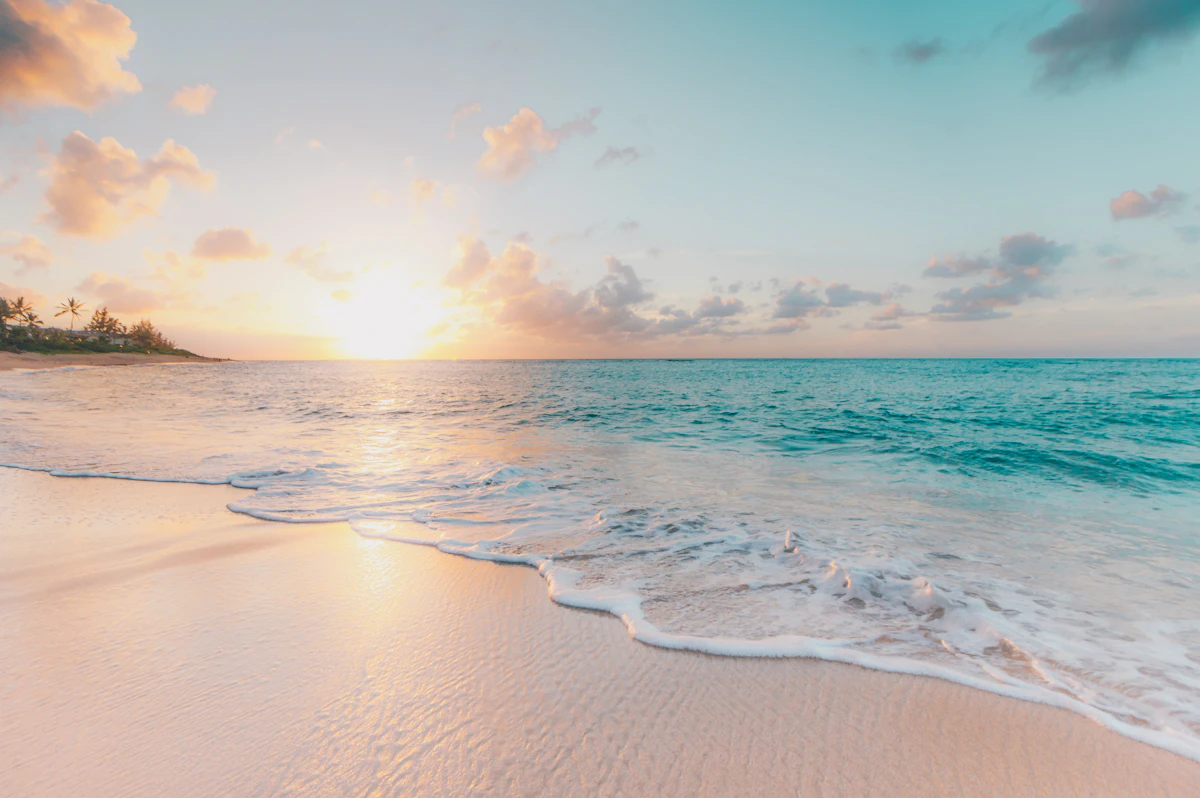
Playa Cayo Bretón is a whisper of an island, a tiny, exquisite jewel in the vast expanse of the Jardines de la Reina. Reaching its shores is an adventure in itself, requiring a boat journey across shimmering turquoise waters, promising an exclusive encounter with untouched nature. As you step onto the soft, sun-bleached sand, the sense of profound isolation is immediate and deeply refreshing. The beach itself is a pristine crescent, where the powdery white sand contrasts beautifully with the deep azure of the Caribbean Sea. The waters here are remarkably clear, inviting a refreshing dip or a gentle wade along the shoreline. Sparse, hardy vegetation provides pockets of shade, perfect for escaping the midday sun with a good book or simply observing the quiet rhythm of the island. Cayo Bretón offers a rare opportunity to disconnect from the world and reconnect with the simple pleasures of a remote island. It’s a place for unhurried sunbathing, long contemplative walks along the water's edge, and soaking in the panoramic views of the surrounding cays. This small offshore haven embodies the wild, unspoiled spirit of Cuba's southern archipelago, a true sanctuary for the soul.
Places, rentals, tours and events within walking and driving distance of Playa Cayo Bretón.
Photos
Swimming at Playa Cayo Bretón is generally safe, with clear Caribbean waters and typical offshore cay conditions. The beach is part of the protected Jardines de la Reina archipelago, known for pristine marine environments. However, as a remote island location accessible only by boat, there are no lifeguards or emergency services immediately available. Visitors should be confident swimmers and mindful of currents around the cay. The area is also frequented by marine life including sharks, though incidents are extremely rare. Always swim with others and follow guidance from your tour operator.
The optimal time to visit Playa Cayo Bretón is during Cuba's dry season from late November through April, when you'll enjoy the best weather with calm seas, clear skies, and minimal rainfall. This period also sees fewer crowds as the archipelago remains relatively unknown to mass tourism. February and March offer particularly excellent conditions for boat access and beach activities. Avoid the hurricane season from June through November when sea conditions can make boat travel challenging and weather unpredictable. The remote location means weather significantly impacts accessibility.
Reaching Playa Cayo Bretón requires boat access as it's a remote cay in the Jardines de la Reina archipelago, located off Cuba's southern coast. Most visitors arrange trips through authorized tour operators or fishing lodges in Jucaro, the main departure point on the mainland. The boat journey typically takes 2-4 hours depending on sea conditions and the specific cay location. Independent access is extremely difficult as the area is a protected marine park with restricted entry. Visits are usually part of multi-day diving or fishing excursions rather than day trips.
Accommodation near Playa Cayo Bretón is limited to floating hotels and live-aboard boats operated by authorized dive and fishing operators in Jardines de la Reina. There are no hotels on the cay itself. Visitors typically stay on vessels anchored in the archipelago, with meals provided as part of all-inclusive dive or fishing packages. The nearest mainland town is Jucaro, which has very basic accommodations and restaurants. Most trips are organized as multi-day packages from Havana or other major cities, including all meals and lodging on the water.
Playa Cayo Bretón offers an exceptionally remote and pristine island beach experience within one of Cuba's most protected marine environments. Unlike accessible resort beaches, this cay requires significant effort to reach, ensuring minimal tourist impact and crowds. The Jardines de la Reina archipelago is renowned for world-class diving and unspoiled ecosystems, often compared to what the Caribbean looked like decades ago. The beach combines white sand and crystal-clear waters with opportunities to see abundant marine life including sharks, tarpon, and healthy coral reefs just offshore—a rare combination in modern Caribbean destinations.