Counting the waves…
Counting the waves…
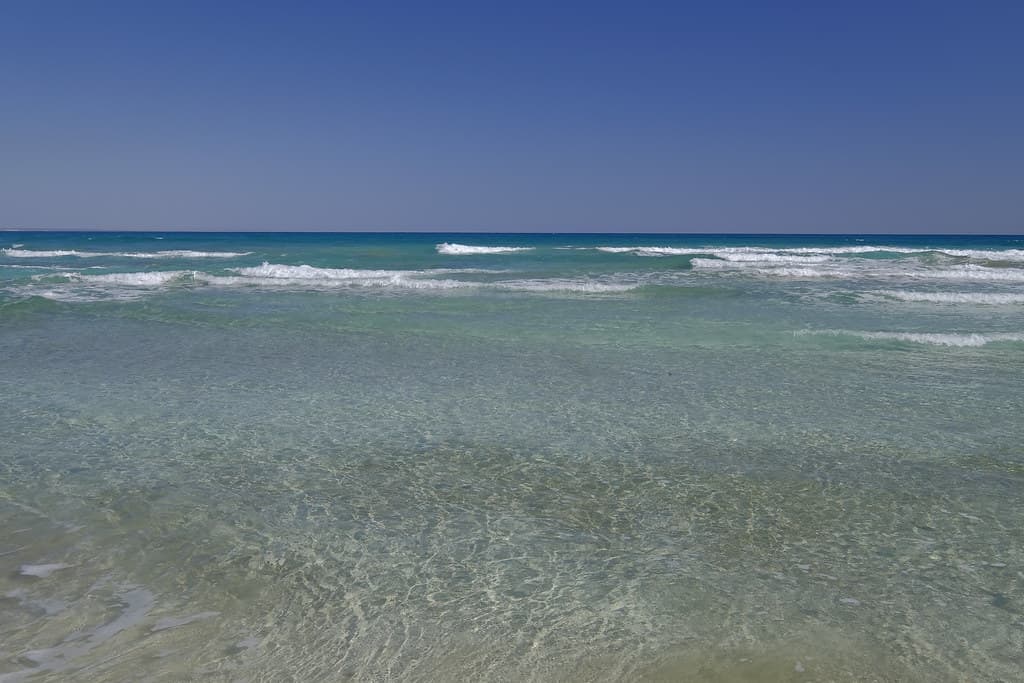
Palm Beach holds a distinct place on the Famagusta coastline, drawing visitors not only for its inviting sandy expanse but also for its profound historical context. The sand here is a warm, inviting gold, perfect for sunbathing or a leisurely stroll along the water's edge. The Mediterranean laps gently, its turquoise hues a stark contrast to the muted tones of the abandoned buildings that stand sentinel just beyond the shoreline. What truly sets Palm Beach apart is its unparalleled view of Varosha, the 'ghost city.' From your towel on the sand, you can gaze upon the silent, decaying hotels and apartments, frozen in time since 1974. This juxtaposition of vibrant beach life against a poignant, untouched past creates a powerful and unforgettable atmosphere. It’s a place where you can simultaneously enjoy the simple pleasures of a beach day and reflect on a significant piece of Cypriot history. Despite its historical backdrop, Palm Beach remains a lively and popular spot. You'll find families enjoying the calm waters, couples strolling hand-in-hand, and photographers capturing the unique scenery. It’s a beach that engages more than just your senses; it stirs your curiosity and offers a rare opportunity to witness history from a comfortable sun lounger.
Places, rentals, tours and events within walking and driving distance of Palm Beach.
Photos
Palm Beach is generally safe for swimming with calm waters and a gradual sandy bottom. However, this beach is located near the restricted Varosha (Maraş) area, which has been fenced off since 1974. Swimming is permitted in designated areas, but visitors must respect restricted zones and posted signage. Lifeguard presence varies seasonally, so always exercise personal caution. Water quality is typically good, though urban proximity means conditions can vary. The beach is suitable for families, but supervision of children is essential, particularly regarding boundary restrictions.
Palm Beach is accessible year-round, with the swimming season running from May through October when water temperatures are warmest. Summer months (June-September) offer guaranteed sunshine but can be crowded and very hot. Spring (April-May) and autumn (October-November) provide pleasant weather with fewer tourists, ideal for those seeking a quieter experience. Winter visits are possible for coastal walks and viewing the historic Varosha skyline, though swimming may be too cold. Early mornings offer the best conditions for photography of the abandoned city backdrop.
Palm Beach is located within Famagusta and is easily accessible from the city center, typically within 5-10 minutes by car or taxi. The beach runs along the coast near the Varosha district. Walking is possible from some central locations, taking 20-30 minutes depending on your starting point. Local dolmuş routes may pass nearby, though schedules can be irregular. Parking is generally available along the coastal road. The beach is clearly visible from the main coastal route, making it straightforward to locate for first-time visitors.
Being in an urban area, Palm Beach has limited beachfront facilities but benefits from proximity to Famagusta's city center restaurants and cafes, just minutes away. The immediate beach area may have seasonal snack bars or mobile vendors during summer. For full meals, visitors can easily reach the old town's diverse dining scene, offering everything from traditional Turkish Cypriot cuisine to international options. Accommodation ranges from budget hotels to more upscale options in Famagusta proper, all within a short distance of the beach.
Palm Beach offers a unique and somewhat surreal experience as it borders the abandoned resort area of Varosha, frozen in time since 1974. Visitors can sunbathe while viewing the ghostly skyline of derelict hotels and buildings just beyond the fence—a haunting reminder of Cyprus's division. This beach provides a rare perspective on recent history, combining leisure with poignant geopolitical significance. Parts of Varosha have recently partially reopened for controlled visits, adding historical tourism dimension. No other beach in Cyprus offers this distinctive combination of natural beauty and contemporary historical context.