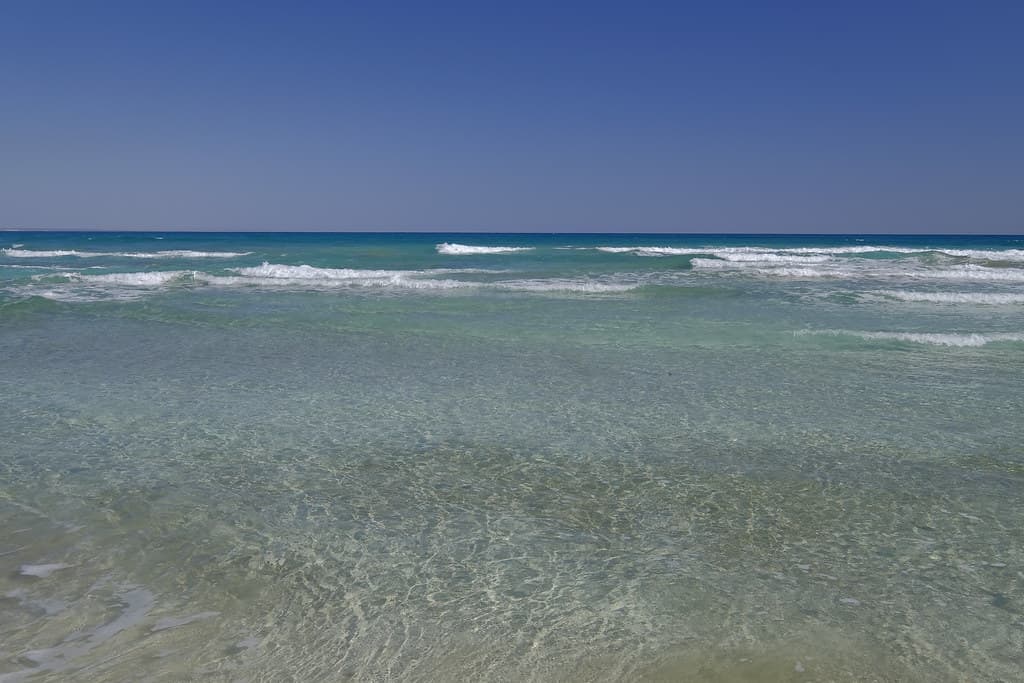
Counting the waves…
Counting the waves…

Varosha Beach, near Famagusta, is unlike any other coastal experience. Here, the soft, pale sand meets the vibrant blue of the Mediterranean, but the backdrop is a haunting tableau of deserted hotels and apartments, frozen in time since 1974. This unique juxtaposition creates a powerful atmosphere, inviting contemplation on history and human impact. As you walk the newly accessible sections of the beach, the air carries a sense of quiet reverence. The sea remains as inviting as ever, its gentle waves a constant, soothing presence against the shore. You can wade into the shallows, feeling the fine grains beneath your feet, and gaze out at the horizon, where the past and present converge in a striking visual narrative. The experience at Varosha is less about typical beach activities and more about immersion in a significant historical landscape. It's a place to reflect, to witness the raw beauty of nature reclaiming its space, and to understand the profound stories etched into the very fabric of the coastline. The beach serves as a powerful reminder of the island's complex past, offering a unique perspective on the passage of time.
Places, rentals, tours and events within walking and driving distance of Varosha Beach.
Photos
Varosha Beach's accessibility has been historically restricted due to the area's complex political status as a fenced-off abandoned quarter of Famagusta since 1974. Recent years have seen partial reopening of certain beach sections, though access rules change and should be verified before visiting. When accessible, the beach itself offers safe swimming conditions with sandy shores and generally calm waters. However, infrastructure is limited compared to developed beaches. Always check current access regulations and respect any restricted zones. The area's uncertain status means facilities and safety services are minimal.
If access is permitted, visiting during shoulder seasons of April-May or September-October offers the best experience with fewer crowds and comfortable weather. Summer months provide warmest swimming conditions but can be very hot with limited shade due to minimal development. The beach's fame attracts curious visitors, so weekdays tend to be quieter than weekends. Early morning or late afternoon visits offer better lighting for viewing the historic abandoned city backdrop and more pleasant temperatures. Always verify current access status before planning a visit, as regulations governing the Varosha area can change with little notice.
Varosha Beach is located directly adjacent to Famagusta's old town, along the southern coastline of the city. Access depends entirely on current regulations governing the Varosha restricted area. When permitted, the beach may be reached by car or on foot from central Famagusta, typically within 10-15 minutes. Specific entry points and procedures vary based on authorities' decisions. Some areas may require passing through checkpoints or following designated routes. Local knowledge is essential—ask at your accommodation or tourist information in Famagusta for current access rules, permitted entry points, and any required documentation or fees.
Due to Varosha's status as an abandoned area, facilities directly at the beach are extremely limited or nonexistent. When sections are accessible, basic temporary services may operate, but don't expect established restaurants or facilities. Visitors should bring their own food, water, and supplies. Accommodation is not available within Varosha itself. However, nearby Famagusta old town, just minutes away, offers various hotels, guesthouses, and restaurants serving traditional Cypriot and international cuisine. The contrast between the abandoned beach area and the functioning historic city creates a unique but somewhat surreal visiting experience.
Varosha Beach is unique for its haunting backdrop of the abandoned Varosha quarter, a once-thriving resort area frozen in time since 1974 following the Cyprus conflict. The beach offers a rare glimpse of a Mediterranean coastline essentially untouched by modern development for nearly five decades, with the crumbling facades of former luxury hotels creating an eerie, post-apocalyptic atmosphere. This combination of natural beauty and poignant history makes it unlike any other beach in Cyprus. The area serves as a powerful reminder of the island's division and the impact of conflict on communities and landscapes.